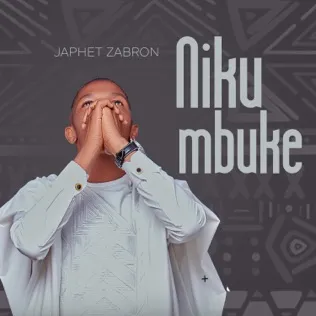
Japhet Zabron - Moyo Mweupe Lyrics

Album: Nikumbuke
Released: 19 Mar 2022
iTunes Amazon Music

Lyrics

Nauliza ikiwa kuna mtu
Anaweza kunipa furaha moyoni
Mwingine tena zaidi yako Yesu
Nauliza ikiwa kuna mtu anaweza kunifuta machozi mie
Mwingine tena zaidi yako Yesu
Nauliza ikiwa kuna mtu ata beba maumivu yangu ya moyo
Mwingine tena zaidi yako Yesu
Mtu ukimkosea, vigumu kukusamehe
Ukiomba msamaha pia
Hee vigumu kukuelewa
Upendo wa Yesu unatujenga
Pamoja tufurahi, tupendane
Mungu ni wetu sote

Roho yangu ni nyeupe
Na wala siwachukii
Mi muumini wa wema
Sinaga hata visasi
Roho yangu ni nyeupe
Na wala siwachukii
Mi muumini wa wema
Sinaga hata visasi

Nauliza
Ikiwa kunamtu hunipenda japokuwa nakosa mie
Mwingine tena zaidi yako Yesu
Nauliza mie
Ikiwa kuna mtu hufurahi mafanikio yangu mie
Mwingine tena zaidi yako Yesu
Nauliza
Je kuna mtu aweza kubeba shida zote zangu mie
Mwingine tena zaidi yako Yesu
Kuna watu hufurahi
Mtu anapopitia shida
Hata akifanikiwa
Sijui mbona waumia mioyo
Upendo wa Yesu unatujenga
Pamoja tufurahi, tuisje tupendane
Mungu ni wetu sote

(Roho yangu ni nyeupe) sinaneno mimi Baba
(Na wala siwachukii ) heeh mimi siwachukii
(Mi muumini wa wema
Sinaga hata visasi
Roho yangu ni nyeupe
Na wala siwachukii
Mi muumini wa wema
Sinaga hata visasi )

Upendo wa Yesu unatujenga
Pamoja tufurahi, tuishe tupendane
Mungu ni wetu sote

Video

JAPHET ZABRON - MOYO MWEUPE(official video)

Thumbnail for Moyo Mweupe video

Meaning & Inspiration

Japhet Zabron’s "Moyo Mweupe," a profound offering from his 2022 album "Nikumbuke," released on March 19th, stands as a resonant declaration of faith and the transformative power of divine love. The song immediately draws us into a deeply personal spiritual inquiry, a quest for genuine solace and unwavering support that transcends human limitations. It begins by posing a direct, penetrating question: is there anyone who can truly bring joy to the heart, wipe away tears, or shoulder the heavy burdens of pain, other than Jesus? This repeated questioning isn't born of doubt, but rather serves to highlight the singular, incomparable nature of Christ's compassion and capacity to heal and uplift. Just as Jesus invited in Matthew 11:28, "Come to me, all you who are weary and burdened, and I will give you rest," Zabron finds no other source for such deep comfort and relief. The lyrics keenly observe the often-harsh realities of human relationships, noting how difficult it can be for people to forgive, to understand, or to offer grace when offended. This stark contrast underscores the song's central theme: while human love can be conditional and fragile, often failing to grasp our pain, the love of Jesus is steadfast, unconditional, and eternally encompassing, as reinforced by Lamentations 3:22-23, which reminds us of God's mercies that "never come to an end; they are new every morning."

The recurring declaration, "Upendo wa Yesu unatujenga Pamoja tufurahi, tupendane Mungu ni wetu sote," translates to "The love of Jesus builds us. Together let us rejoice, let us love one another. God is for all of us." This line encapsulates the communal aspect of Christian living, emphasizing that Christ's love not only transforms individuals but also binds them together in joy and mutual affection. It’s a powerful reminder that our shared identity in God calls us to a higher standard of interaction, one rooted in divine love that seeks to unify rather than divide. This resonates deeply with Scripture's call for unity and love among believers, as seen in Ephesians 4:2-3, which urges us to "be completely humble and gentle; be patient, bearing with one another in love. Make every effort to keep the unity of the Spirit through the bond of peace." It also echoes Colossians 3:14, which states, "Above all these virtues put on love, which binds them all together in perfect unity," highlighting how divine love is the foundation for all harmonious relationships.

The heart of the song's message is beautifully captured in the repeated chorus: "Roho yangu ni nyeupe Na wala siwachukii Mi muumini wa wema Sinaga hata visasi," meaning "My spirit is white (pure), And I don't hate them. I am a believer in goodness. I don't hold grudges." This is not a self-righteous boast, but a powerful testimony to the sanctifying work of Christ within a person. A "white spirit" symbolizes purity, sincerity, and freedom from the bitterness and malice that so often tarnish human hearts, pointing to a heart cleansed by grace. This quest for inner purity aligns with the psalmist’s prayer in Psalm 51:10, "Create in me a pure heart, O God, and renew a steadfast spirit within me," highlighting a deep desire for divine transformation. Furthermore, the commitment to not hate and to avoid grudges directly reflects the teachings of Jesus, who in Matthew 5:44 commands, "Love your enemies and pray for those who persecute you." This echoes Romans 12:19-21, which advises, "Do not take revenge, my dear friends, but leave room for God’s wrath... 'If your enemy is hungry, feed him; if he is thirsty, give him something to drink'... Do not be overcome by evil, but overcome evil with good." This transformation signifies a conscious choice, empowered by faith, to live a life devoid of vengeance, mirroring God’s own patient and forgiving nature.

The song also confronts the sobering reality that some people find satisfaction in the struggles of others, or experience pain when others succeed. "Kuna watu hufurahi Mtu anapopitia shida Hata akifanikiwa Sijui mbona waumia mioyo," meaning "There are people who rejoice when someone goes through difficulties. Even if they succeed, I don't know why their hearts ache." This lament points to the insidious nature of envy and ill will, contrasting sharply with the divine ideal of genuine compassion and shared joy. It reminds us of the dangers of worldly attitudes, as highlighted in James 3:16, "For where you have envy and selfish ambition, there you find disorder and every evil practice." In stark contrast, the Spirit-filled life called for in the song encourages empathy and mutual support, as articulated in Romans 12:15: "Rejoice with those who rejoice; mourn with those who mourn." Zabron’s candid observation here serves as a potent reminder of the world’s brokenness and the urgent need for the kind of love that builds up rather than tears down. The profound message of "Moyo Mweupe" ultimately calls every person to reflect on the source of their own joy, comfort, and moral compass. It affirms that in a world where human relationships can be complex and often disappointing, Jesus stands as the ultimate provider of unconditional love, forgiveness, and the power to cultivate a pure, non-vengeful heart. It inspires us to embrace His love, not just for our own benefit, but so that we might extend that same grace and goodness to everyone around us, living out the truth that indeed, God is for all of us, and His love is meant to be shared and reflected through our lives.

Loading...
In Queue
View Lyrics