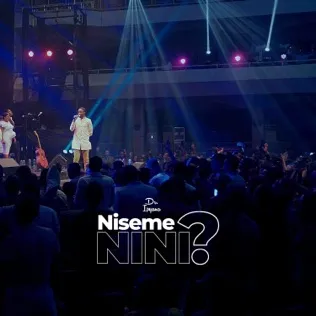
Dr Ipyana - Niseme Nini Lyrics
Lyrics
Swahili
Uliyoyatenda kwangu ni mengi
Shuhuda Zako hazielezeki
Umefanya hili, Umefanya lile, Umenipa jina
Baba ninakushukuru
English Translation
You have done a lot for me
Your testimonies are indescribable
You've done this, You've done that, You've given me a name
Father I thank you
You have done a lot for me
Uliyoyatenda kwangu ni mengi
Your testimonies are indescribable
Shuhuda Zako hazielezeki
Umefanya hili Umefanya lile Umenipa jina
Baba ninakushukuru
You have done this You have done that You have given me a name
Father I thank you
What can I say, I can't explain
Niseme nini, siwezi kueleza
Father I thank you
Baba ninakushukuru
You have done so much, I cannot explain
Umefanya mengi, siwezi kueleza
Father I thank you
Baba ninakushukuru
What should I pay you, for all you have done?
Nikulipe nini, kwa yote Umetenda
Father I thank you
Baba ninakushukuru
What should I pay you, for all you have done?
Nikulipe nini, kwa yote Umetenda
Father I thank you
Baba ninakushukuru
Your blessings are incalculable
Baraka Zako hazihesabiki
Your goodness is not common
Wema Wako hauzoeleki
You have done this You have done that You have given me a name
Umefanya hili Umefanya lile Umenipa jina
Father I thank you
Baba ninakushukuru
Your blessings are incalculable
Baraka Zako hazihesabiki
Your goodness is not common
Wema Wako hauzoeleki
You have done this You have done that You have given me a name
Umefanya hili Umefanya lile Umenipa jina
Father I thank you
Baba ninakushukuru
What can I say, I can't explain
Niseme nini, siwezi kueleza
Father I thank you
Baba ninakushukuru
What can I say, I can't explain
Niseme nini, siwezi kueleza
But I thank you
Bali ninakushukuru
What can I say, I can't explain
Niseme nini, siwezi kueleza
But I thank you
Bali ninakushukuru
But I thank you
Bali ninakushukuru
But I thank you
Bali ninakushukuru
But I thank you
Bali ninakushukuru
But I thank you
Bali ninakushukuru
But I thank you
Bali ninakushukuru
Father I thank you
Baba ninakushukuru
Father I thank you
Baba ninakushukuru
Father I thank you
Baba ninakushukuru
Father I thank you
Baba ninakushukuru
You have done this You have done that You have given me a name
Umefanya hili Umefanya lile Umenipa jina
Father I thank you
Baba ninakushukuru
You have done this You have done that You have given me a name
Umefanya hili Umefanya lile Umenipa jina
Father I thank you
Baba ninakushukuru
You have done this You have done that You have given me a name
Umefanya hili Umefanya lile Umenipa jina
Father I thank you
Baba ninakushukuru
You have done this You have done that You have given me a name
Umefanya hili Umefanya lile Umenipa jina
Father I thank you
Baba ninakushukuru
You have done this You have done that You have given me a name
Umefanya hili Umefanya lile Umenipa jina
Father I thank you
Baba ninakushukuru
You have done this You have done that You have given me a name
Umefanya hili Umefanya lile Umenipa jina
Father I thank you
Baba ninakushukuru
You have done this You have done that You have given me a name
Umefanya hili Umefanya lile Umenipa jina
Father I thank you
Baba ninakushukuru
You have done this You have done that You have given me a name
Umefanya hili Umefanya lile Umenipa jina
Father I thank you
Baba ninakushukuru
You have done this You have done that You have given me a name
Umefanya hili Umefanya lile Umenipa jina
Father I thank you
Baba ninakushukuru
You have done this You have done that You have given me a name
Umefanya hili Umefanya lile Umenipa jina
Father I thank you
Baba ninakushukuru
You have done this You have done that You have given me a name
Umefanya hili Umefanya lile Umenipa jina
Father I thank you
Baba ninakushukuru
You have done this You have done that You have given me a name
Umefanya hili Umefanya lile Umenipa jina
Father I thank you
Baba ninakushukuru
You have done this You have done that You have given me a name
Umefanya hili Umefanya lile Umenipa jina
Father I thank you
Baba ninakushukuru
You have done this You have done that You have given me a name
Umefanya hili Umefanya lile Umenipa jina
You've done this, you've done that
Umefanya hili Umefanya lile
You've done this, you've done that
Umefanya hili Umefanya lile
You have done this You have done that You will do that
Umefanya hili Umefanya lile Utafanya na lile
I still believe in you
Bado ninakuamini
You did this You did that You will do that
Umefanya hili Ulifanya lile Utafanya lile
I still believe in you
Bado ninakuamini
You have done this You have done that You will do that
Umefanya na hili Ulifanya lile Utafanya na lile
I still believe in you
Bado ninakuamini
Your deeds for me are many
Matendo Yako kwangu ni mengi
Your testimonies are indescribable
Shuhuda Zako hazielezeki
You've done this, you've done that
Umefanya hili Umefanya lile
You've done this and that, you never got tired of doing that
Umefanya hili na lile Hukuchoka Ukafanya na lile
Your blessings are incalculable
Baraka zako hazihesabiki
Your kindness is rare
Wema wako hauzoeleki
You have done what you have done
Umefanya lile Umefanya
Video
Dr Ipyana - Niseme Nini (Baba NinaKushukuru)-Thanksgiving Anthem SKIZA CODE SMS 6980427 send to 811
Meaning & Inspiration
"Niseme Nini" is a Swahili gospel song by Dr. Ipyana, a renowned gospel artist. This powerful track is a testament to the artist's deep faith and gratitude towards God. Moreover, we will discuss the relevance of "Niseme Nini" in our daily Christian lives, drawing practical applications from its message of thanksgiving and worship.
1. The Meaning of "Niseme Nini":
"Niseme Nini" translates to "What Can I Say" in English. This song expresses the writer's awe and gratitude for God's countless blessings and testimonies in their life. It acknowledges the indescribable wonders God has performed, the numerous ways He has intervened, and the identity He has given to the believer. It is a heartfelt declaration of thanksgiving and praise.
2. The Inspiration and Story Behind "Niseme Nini":
As with many gospel songs, the inspiration for "Niseme Nini" likely stems from personal experiences and encounters with God's faithfulness. Unfortunately, specific details about the song's inception and background are not readily available. However, the lyrics reflect a deep relationship with God and a profound sense of gratitude for His works.
3. Biblical References in "Niseme Nini":
"Niseme Nini" resonates with several biblical principles and passages that emphasize thanksgiving, worship, and recognizing God's blessings. Here are a few relevant scriptures:
a) Psalm 9:1-2: "I will give thanks to you, Lord, with all my heart; I will tell of all your wonderful deeds. I will be glad and rejoice in you; I will sing the praises of your name, O Most High."
b) Psalm 107:8-9: "Let them give thanks to the Lord for his unfailing love and his wonderful deeds for mankind, for he satisfies the thirsty and fills the hungry with good things."
c) 1 Thessalonians 5:16-18: "Rejoice always, pray continually, give thanks in all circumstances; for this is God’s will for you in Christ Jesus."
These verses encapsulate the spirit of gratitude and worship that "Niseme Nini" conveys.
4. Practical Application in Christian Living:
"Niseme Nini" carries a profound message that can be practically applied to our daily Christian lives. Here are a few key takeaways from the song:
a) Cultivating a Heart of Gratitude: The song reminds us to cultivate a heart of gratitude towards God for His countless blessings, both big and small. We should take time to reflect on His goodness and express our thankfulness in prayer and praise.
b) Recognizing God's Interventions: "Niseme Nini" encourages us to acknowledge and appreciate the ways God has intervened in our lives. It reminds us to remember His faithfulness in times of difficulty and to proclaim His deeds to others, just as the psalmist did.
c) Embracing Worship as a Lifestyle: The song emphasizes the importance of worship as a lifestyle rather than a one-time event. It calls us to rejoice, pray, and give thanks continually, regardless of our circumstances. Worshiping God in spirit and truth should permeate every aspect of our lives.
d) Sharing Testimonies: "Niseme Nini" prompts us to share our testimonies of God's faithfulness. By doing so, we not only encourage others in their faith but also magnify God's name and His works. Our testimonies become powerful tools for evangelism and a source of inspiration for fellow believers.
Conclusion:
"Niseme Nini" is a beautiful song that encapsulates the essence of gratitude and worship. Its lyrics remind us of the immeasurable blessings and testimonies God has bestowed upon us. Through this song, Dr. Ipyana encourages us to cultivate a heart of gratitude, recognize God's interventions, and embrace worship as a lifestyle. By sharing our testimonies and praising God, we not only grow in our faith but also inspire others to draw closer to Him. May "Niseme Nini" serve as a reminder to continually give thanks to God for His unfailing love and wonderful deeds in our lives.