Lyrics
Chorus (x2)
Msalabani pa Mwokozi,
wapatikaana ukombozi.
Ni kazi ya thamani yake Yesu
Msalabani pa Mwokozi
Verse 1
Tumesamehewa dhambi hatuna deni,
Amelipa yote Bwana hatuna deni ,
Ni kazi ya thamani yake Yesu
Msalabani pa mwokozi
Verse 2
Unyenyekevu uvumilivu na upendo
Huruma nyingi na fadhili kwetu
Ni sifa za thamani zake Yesu
Msalabani pa mwokozi
Verse 3
Tumesamehewa dhambi hatuna deni,
Amelipwa yote Bwana hatuna deni,
Ni kazi ya thamani yake Yesu,
Msalabani pa mwokozi.
Video
Meaning & Inspiration
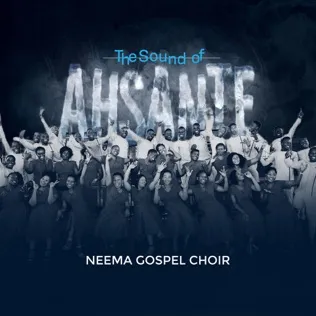
“Msalabani” by Neema Gospel Choir is a Swahili song about forgiveness and redemption at the cross. The title means “At the cross,” and the opening lines say that at the Savior’s cross, redemption is found, which is the valuable work of Jesus. The first part is sung twice, so the main message is reinforced before the verses begin.
The verses say, “Tumesamehewa dhambi hatuna deni,” which means “We have been forgiven our sins, we have no debt,” and they add that the Lord has paid it all. This is close to Colossians 2:13-14, where the record of debt is canceled and nailed to the cross. The second verse lists humility, patience, love, abundant mercy, and kindness as the precious qualities of Jesus, and the qualities recall Ephesians 4:2 and Titus 3:4-5.
The final verse repeats the forgiveness and the payment. The song’s message is that the cross is both the price and the place of freedom, and that the work of Christ cannot be repaid.
Related Scripture
- Colossians 2:13-14 The record of debt canceled and nailed to the cross
- Ephesians 4:2 Humility, patience, and love
- Titus 3:4-5 God’s kindness and mercy in saving us