
Boaz Danken - Nani Kama Wewe Bwana Lyrics
Lyrics
Nani kama wewe Bwana Nani kama wewe Asante roho wa Bwana
Tuulize milima inatetemeka kwa nani? Kama sio wewe Mungu wetu Tuulize bahari inamheshimu nani? Kama sio wewe Mungu wetu
Wanyama wa kutisha wanamuabudu nani Kama sio wewe Mungu wetu Hivi ni nani kama wewe Bwana, kama wewe Bwana Nani kama wewe Bwana Mungu wetu
Nani kama wewe Bwana, kama wewe Bwana Nani kama wewe Bwana Mungu wetu Nani kama wewe Bwana, kama wewe Bwana Nani kama wewe Bwana Mungu wetu
Bahari ya shamu aliipasua nani? Kama sio wewe Mungu wetu Kuta za Jericho aliziangusha nani? Kama sio wewe Mungu wetu
Agusaye mioyo yetu, kwa mguso wa ajabu Kama sio wewe Mungu wetu Sasa ni nani kama wewe, kama wewe Bwana Nani kama wewe Bwana
Nani kama wewe Bwana, kama wewe Bwana Nani kama wewe Bwana Mungu wetu Nani kama wewe Bwana, kama wewe Bwana Nani kama wewe Bwana Mungu wetu
Nani kama wewe Bwana, kama wewe Bwana Nani kama wewe Bwana Mungu wetu Nani kama wewe Bwana, kama wewe Bwana Nani kama wewe Bwana Mungu wetu
Hakuna kama wewe Bwana, kama wewe Bwana Hakuna kama wewe Bwana, Mungu wetu Wewe ni Baba, uabudiwe Hakuna kama wewe, wewe, wewe Baba
Hakuna kama wewe Bwana, kama wewe Bwana Hakuna kama wewe Bwana, Mungu wetu Hakuna kama wewe Bwana, kama wewe Bwana Hakuna kama wewe Bwana, Mungu wetu
Hakuna kama wewe Bwana, kama wewe Bwana Hakuna kama wewe Bwana, Mungu wetu Hakuna kama wewe Bwana, kama wewe Bwana Hakuna kama wewe Bwana, Mungu wetu
Video
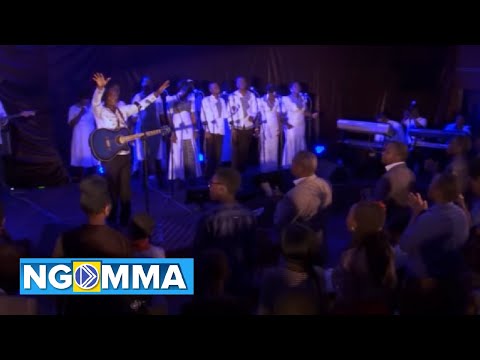
Boaz Danken ft Ruth Lyanga- NANI KAMA WEWE BWANA (official video) #GodisReal
Meaning & Inspiration
Boaz Danken's "Nani Kama Wewe Bwana," featuring Ruth Lyanga, released on June 5, 2020, stands as a powerful declaration of God's unrivaled supremacy. From its very first lines, the song poses a foundational rhetorical question: "Nani kama wewe Bwana?" — "Who is like You, Lord?" This isn't merely a query but an impassioned statement, setting the stage for a profound exploration of God's unique attributes and His incomparable power. The song's essence is an anthem of adoration, a call to remember and celebrate the Creator's dominion over all things seen and unseen, moving beyond simple praise to a deep, experiential acknowledgment of His awesome nature. It challenges us to look around and within, finding undeniable evidence of a God who stands alone in His majesty and might.
The song begins its lyrical journey by inviting us to contemplate creation, asking, "Tuulize milima inatetemeka kwa nani? Kama sio wewe Mungu wetu" (Ask the mountains, for whom do they tremble? If not for You, our God?). This imagery immediately evokes passages like Psalm 104:32, where it states, "He looks at the earth, and it trembles; He touches the mountains, and they smoke." It reminds us that even the most formidable elements of nature respond to God's presence, bowing to His immense power. Similarly, "Tuulize bahari inamheshimu nani? Kama sio wewe Mungu wetu" (Ask the sea, whom does it respect? If not for You, our God?) echoes Scripture's consistent portrayal of God's command over the waters, as seen in Psalm 89:9, "You rule the raging of the sea; when its waves rise, You still them." The profound truth here is that creation itself testifies to its Maker, demonstrating a reverence that humans are also called to offer. Extending this, the lyrics inquire, "Wanyama wa kutisha wanamuabudu nani? Kama sio wewe Mungu wetu" (Terrifying animals, whom do they worship? If not for You, our God?), drawing our minds to the intricate design and wild beauty of creatures that, in their very existence and behavior, reflect the wisdom and power of their Sustainer, as wonderfully detailed in chapters like Job 38-41. These verses collectively paint a picture of God as the undisputed Sovereign of the cosmos, whose authority permeates every facet of creation.
The song then shifts its focus from ongoing natural phenomena to pivotal historical interventions, drawing on well-known biblical narratives to reinforce God's singular power. It asks, "Bahari ya shamu aliipasua nani? Kama sio wewe Mungu wetu" (Who parted the Red Sea? If not for You, our God?). This direct reference to Exodus 14 powerfully recalls one of the most iconic demonstrations of God's deliverance and omnipotence. It was a moment where an entire nation witnessed the impossible become reality, a testament to God's ability to create a path where none existed. Following this, the question, "Kuta za Jericho aliziangusha nani? Kama sio wewe Mungu wetu" (Who brought down the walls of Jericho? If not for You, our God?), points to Joshua 6, another miraculous event where human strength and strategy were overshadowed by divine decree and power. These historical events serve not merely as ancient tales but as enduring proofs that God's power is not abstract but active, tangible, and decisive in the affairs of humanity. They stand as unshakeable markers in time, affirming that His acts of redemption and victory are utterly unique to Him.
Beyond His grand cosmic and historical acts, the song beautifully brings the divine closer to home, recognizing God's intimate involvement in individual lives. "Agusaye mioyo yetu, kwa mguso wa ajabu Kama sio wewe Mungu wetu" (Who touches our hearts with a wondrous touch? If not for You, our God?) acknowledges the deep, transformative work of God within us. This points to the new covenant promise in Ezekiel 36:26, "I will give you a new heart and put a new spirit in you; I will remove from you your heart of stone and give you a heart of flesh." It highlights the Holy Spirit's gentle yet profound impact, stirring faith, bringing conviction, and offering comfort—a touch that only God can provide, transforming inner landscapes. The culmination of this journey of inquiry and affirmation is the resolute declaration, "Hakuna kama wewe Bwana, kama wewe Bwana, Hakuna kama wewe Bwana, Mungu wetu" (There is no one like You, Lord, our God). This echoes verses like Isaiah 46:9, where God Himself declares, "I am God, and there is no other; I am God, and there is none like Me." The final powerful affirmation, "Wewe ni Baba, uabudiwe" (You are Father, be worshipped), encapsulates both His paternal care and His rightful position as the sole object of our adoration, as taught by Jesus in Matthew 6:9 and throughout Scripture.
"Nani Kama Wewe Bwana" is more than just a song; it's a profound theological reflection set to music, skillfully weaving together the grandeur of creation, the undeniable evidence of historical miracles, and the intimacy of God's personal touch. Boaz Danken and Ruth Lyanga have crafted an offering that encourages a deeper reverence and a more robust faith by systematically dismantling any notion of a rival to God's throne. It serves as a spiritual compass, redirecting our attention from worldly distractions to the incomparable splendor of our Creator. For anyone seeking to bolster their understanding of God's supremacy or simply desiring to express worship rooted in solid biblical truth, this song provides a rich and inspiring medium. It champions the singular truth that indeed, there is no one like our God, a message that invigorates the soul and deepens our awe for the King of all creation.