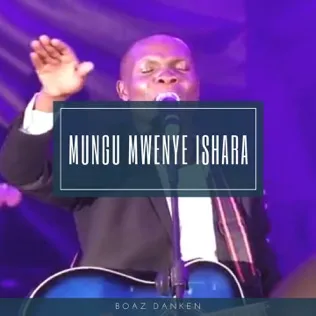
Boaz Danken - Mungu Mwenye Ishara Lyrics

Album: Mungu Mwenye Ishara - Single
Released: 17 Sep 2020
iTunes Amazon Music

Lyrics

Mungu mwenye ishara na maajabu 

Twakuunua mfalme wa wafalme

Umetamalaki duniani kote 

Twakuinua mfalme wa wafalme 


Mungu mwenye ishara na maajabu 

Twakuunua mfalme wa wafalme

Umetamalaki duniani kote 

Twakuinua mfalme wa wafalme 


Ulimuonyesha Musa njia zako 

Wanaisraeli matendo yako 

Ulimpiga Farao kwa mapigo kuu 

Ukawaokoa watoto wako 

Habari zimeenea adui watetemeka 

Twakuinua mfalme wa wafalme 

Waliokombolewa wanashangilia 

Twakuinua mfalme wa wafalme 


Mungu mwenye ishara na maajabu 

Twakuunua mfalme wa wafalme

Umetamalaki duniani kote 

Twakuinua mfalme wa wafalme 


Oh mfalme wa wafalme 

Oh mfalme wa wafalme 


Nigeria:

Imela Chineke Imela Oh 

Imela Chineke Imela 

Imela Chineke Imela Oh 

Imela Chineke Imela 

Igwe Igwe Igwe oh 


South Afrika: 

Siyabonga Nkosi siyabonga oh

Siyabonga Nkosi siyabonga

Siyabonga Nkosi siyabonga oh

Siyabonga Nkosi siyabonga


Western: 

Thank You, Thank You oh 

Thank You Jesus Thank You 


Back to swahili: 

Asante Yesu asante oh 

Asante Yesu asante 

Asante Yesu asante oh 

Asante Yesu asante 

Igwe Igwe Igwe

Video

Boaz Danken - MUNGU MWENYE ISHARA #GodisReal

Thumbnail for Mungu Mwenye Ishara video

Meaning & Inspiration


Mungu Mwenye Ishara, a powerful Swahili worship song by Boaz Danken, has become a popular anthem among Christians in East Africa and beyond. This soul-stirring song celebrates the greatness and miracles of God, reminding believers of His sovereignty and the awe-inspiring wonders He performs.

1. Understanding the Meaning of Mungu Mwenye Ishara:

The Swahili phrase "Mungu Mwenye Ishara" translates to "God of Signs and Wonders" in English. The song serves as a declaration and exaltation of God's power and authority. It acknowledges Him as the King of Kings, the One who reigns supreme over all creation. Boaz Danken beautifully expresses gratitude, praise, and adoration for God's miraculous works.

2. The Inspiration and Story Behind Mungu Mwenye Ishara:

Although specific details about the inspiration behind the song might not be readily available, it is evident that Boaz Danken drew inspiration from the Bible and personal experiences of witnessing God's miracles. Many worship songs, including Mungu Mwenye Ishara, are often birthed out of a deep desire to glorify God and share His goodness with others.

3. Bible Verses that Relate to Mungu Mwenye Ishara:

The lyrics of Mungu Mwenye Ishara resonate with various Bible verses that emphasize God's power, miracles, and sovereignty. Here are a few examples:

a) Exodus 7-12: This passage recounts the story of Moses and the ten plagues of Egypt. God performed numerous signs and wonders to demonstrate His power and deliver His people from slavery. The lyrics, "Ulimuonyesha Musa njia zako, Wanaisraeli matendo yako" (You showed Moses Your ways, the Israelites Your deeds), allude to this biblical account.

b) Psalm 136: This psalm is a beautiful hymn of praise, highlighting God's enduring love and His mighty acts throughout history. The repetition of the lyrics, "Imela Chineke Imela," echoes the psalmist's declaration of gratitude and adoration for God's goodness.

c) Revelation 19:16: This verse proclaims Jesus as the King of Kings and Lord of Lords. The lyrics, "Twakuinua mfalme wa wafalme" (We lift up the King of Kings), align with this biblical truth and acknowledge Jesus' supreme authority.

4. The Power of Praise and Worship:

Mungu Mwenye Ishara is not just a song; it is a powerful tool for believers to express their heartfelt praise and worship to God. Throughout the Bible, we find numerous instances where singing and praising God played a significant role in spiritual breakthroughs, victories, and encounters with His presence.

a) 2 Chronicles 20:22: In this passage, King Jehoshaphat and the people of Judah faced a formidable enemy. They responded by worshiping and praising God. As they lifted their voices in praise, the Lord caused confusion among their enemies, leading to a miraculous victory. Mungu Mwenye Ishara encourages believers to lift up their King of Kings, knowing that He is the one who fights on their behalf.

b) Acts 16:25-26: Paul and Silas, imprisoned for their faith, began singing hymns and praying to God. Suddenly, a great earthquake shook the foundations of the prison, setting them free. This powerful display of God's intervention through praise illustrates the transformative impact of worship. Mungu Mwenye Ishara invites believers to exalt God, knowing that He can bring freedom and breakthroughs in the midst of challenging circumstances.

5. The Impact of Mungu Mwenye Ishara:

Mungu Mwenye Ishara has become an anthem of praise and worship in churches, gatherings, and personal devotionals. Its powerful lyrics and captivating melody create an atmosphere of reverence and awe. Through this song, believers are reminded of God's faithfulness, His ability to perform signs and wonders, and His unmatched sovereignty.

Conclusion:

Mungu Mwenye Ishara is a beautiful Swahili worship song that celebrates the greatness and miracles of God. Through its powerful lyrics, believers are encouraged to lift up the King of Kings and declare His authority over all creation. The song's inspiration may stem from personal experiences and biblical accounts of God's signs and wonders. As believers sing Mungu Mwenye Ishara, they are reminded of the transformative power of praise and worship and the impact it can have on their lives. May this song continue to inspire and draw people closer to the God of Signs and Wonders.

Loading...
In Queue
View Lyrics