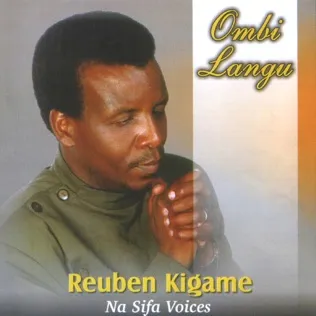
Lyrics
Baba yetu wa mbinguni tunaleta sifa kwako
Wewe hulinganishwi na yeyote duniani
Mbingu na nchi zakusifu, jua na mwezi vyakutukuza
Wanyama wa pori, ndege wa angani
Sifa tele kwako Bwana
Hoiye! Sifa zetu, Hoiye! ni zako zote
Hoiye! Usifiwe, Hoiye! Milele Bwana
Tukiomba kwako Baba, sikio lako li wazi kwetu
Macho yako yatuona; sisi watoto wako
Ulimtoa Yesu, mwana wako wa pekee
Alikufa msalabani; sasa tuko huru
Hoiye! Sifa zetu, Hoiye! ni zako zote
Hoiye! Usifiwe, Hoiye! Milele Bwana
Hoiyee
Hoiye! Sifa zetu, Hoiye! ni zako zote
Hoiye! Usifiwe, Hoiye! Milele Bwana
Video
Meaning & Inspiration
Baba Yetu addresses the Father in heaven with praise that reaches across creation. Heaven and earth, the sun and moon, wild animals, and birds all appear as witnesses to divine glory. The chorus gathers that wide vision into a direct offering: every song of praise belongs to the Lord forever. Its celebratory responses give the piece a communal character while keeping God as the sole object of honor.
The second portion turns from creation to prayer and redemption. God is portrayed as a Father whose ear is open and whose eyes remain upon His children. The lyric then names the gift of His only Son, the cross, and the freedom associated with Christs death. These images align closely with biblical teaching about Gods love in giving His Son and His attentive care for those who call upon Him. Praise and petition therefore stand together, grounded in creation, fatherly care, and salvation through Jesus.
Related Scripture
- Psalm 148:3-10 The psalm calls the sun, moon, animals, and all creation to praise the Lord.
- John 3:16 The verse says that God gave His only Son because of His love for the world.
- 1 Peter 3:12 The passage says the Lords eyes are on the righteous and His ears attend to prayer.