Reuben Kigame - Mkono wa Bwana Lyrics
Lyrics
Mengi mazuri tumeyaona Mungu umetenda Ni kweli we muweza Ulitamka vitu vikawa Neno tu latosha Ukisema umetenda Bahari shamu Isiraeli Ah uliwavusha Kawatoa utumwani Watumishi wako umewapa Yote waombayo Ikiwa umependezwa Uamulo hakuna wa kulipinga Hakika we ni Mungu wa vyote Unatawala dunia na vilivyomo Makuu umeyatenda Jehova Tumeuna mkono wako Bwana Matendo yako Bwana ni makuu mno Umetutoa mbali Ukatushika mkono Mahali uliona pekee hatuwezi Chini hata juu Watu unawainua Sifa na utukufu ni zako milele
Twasifu jina lako Milele tutakusifu Daima we umwema tutaishi kwako Ona Msalabani ulitufia Hm ulitupenda Dhambi zetu ukabeba Baraka zako tuliziomba kweli tumeona Hakika unabariki Hata vipaji we ndo hutoa Umetuwezesha Tunaimba na kusifu Walio haki hutowaacha Uliwaahidi Hata mwisho wa dahari Hm watu wako umewapa mamlaka Kwa jina lako Yesu Waponye Na huna ubaguzi
Video
Huniachi (Album Usifadhaike) - by Reuben Kigame and Sifa Voices Featuring Gloria Muliro
Meaning & Inspiration
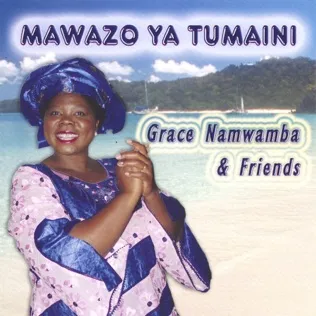
Reuben Kigame has a habit of stripping away the aesthetic clutter that often masks modern worship. There is a specific kind of bluntness in his Swahili delivery—a lack of performance that hits the listener squarely in the chest. In Mawazo Ya Tumaini, he isn't trying to build an atmosphere; he is testifying to a reality.
"Neno tu latosha" (A word is enough).
This is the power line. It sits in the first stanza like a tectonic plate. We spend our lives calculating how much effort, how much pleading, and how much maneuvering we need to fix our circumstances. We treat God like a foreman who needs a detailed blueprint before he can begin. Kigame cuts through that arrogance. When you truly grasp that the One who spoke the stars into existence requires only a spoken word to alter your reality, the frantic need for self-preservation begins to look foolish. It echoes the centurion in Matthew 8:8, who understood that authority doesn't require proximity or physical touch—just a command.
But here is where the song gets prickly for me. He sings, "Mahali uliona pekee hatuwezi / Chini hata juu" (Where you saw we couldn't make it on our own / From the depths to the heights).
There is a subtle, uncomfortable admission in those lines. We hate to admit we are stuck. We want to be the architects of our own deliverance. Yet, listening to this, I’m forced to sit with the fact that my limitations aren't just inconveniences; they are the exact places where God’s grip actually takes hold. When I try to manage my own "depths," I’m usually just thrashing. Kigame’s reminder that God takes our hand precisely where we are paralyzed is less of a comfort and more of a correction to my pride.
The track doesn't need the repetition. It has a rough, unrefined edge that makes you feel the weight of the years behind the lyrics. It isn't trying to be an anthem for a stadium; it’s a ledger of facts. He lists the parting of the sea, the freedom from captivity, the carrying of sin at the cross. He’s cataloging evidence.
By the time he hits the bridge—asking for healing and acknowledging the absence of discrimination—there’s a shift from recounting history to pressing the present. "Na huna ubaguzi" (You have no prejudice/partiality). It’s an unfinished thought in my mind. If He is truly impartial, why does the delay persist? Why does the healing feel absent?
Kigame leaves that tension hanging in the air. He doesn't offer a tidy resolution or a musical swell to distract from the question. He just lands on the truth of who God is, regardless of whether I’ve received the specific outcome I demanded. Sometimes, "A word is enough" has to be the end of the argument, even when the silence feels deafening.