Reuben Kigame - Wastahili Bwana Lyrics

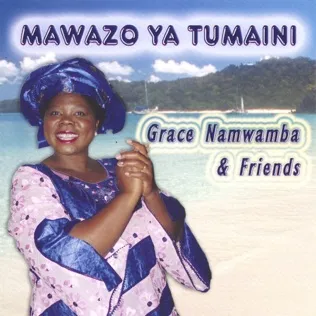
Album: Mawazo Ya Tumaini
Released: 20 Apr 2006
iTunes Amazon Music

Lyrics

Wastahili Bwana. Wastahili Bwana. Ulikufa msalabani, niokolewe, wastahili Bwana

Wastahili Bwana. Wastahili Bwana. Ulibeba mizigo yangu, sasa ni huru, Wastahili Bwana

Uliacha utukufu wako. Ukaishi kati yetu kwa mapendo. Ulipatwa na simamzi ulinifia Wastahili Bwana

Uliwekwa kaburini Bwana. Ukafufuka wewe Bwana wangu. Ulipaa juu mbinguni na watawala Nakusifu Yesu

Theme: You are worthy oh Lord

Video

Wastahili Bwana

Thumbnail for Wastahili Bwana video

Meaning & Inspiration

Reuben Kigame has a way of stripping away the noise of modern life to focus on the raw, unvarnished truth of the Gospel, and he does exactly that on his 2006 track Wastahili Bwana. Found on his album Mawazo Ya Tumaini, which arrived on April 20, 2006, this song functions as a direct address to the Savior, centered entirely on His unique worthiness. When Kigame sings Ulikufa msalabani, niokolewe, he is pulling us right back to the foot of the cross. It is not a abstract theological concept; it is the brutal reality that Christ died so we could be rescued. This mirrors the Apostle Paul’s confidence in Galatians 2:20, where he declares that the Son of God loved him and gave Himself for him. Kigame isn't just singing a melody; he is articulating a debt that can only be paid with a life of worship.

The theology here is anchored in the substitutionary atonement. When he confesses Ulibeba mizigo yangu, he is pointing to the heavy burden of sin that humanity could never carry alone, echoing the promise in Matthew 11:28 that Christ invites the weary to find rest in His finished work. Freedom is the direct result of the cross, and Kigame celebrates this liberty with the simple, declarative statement sasa ni huru. The lyrics take us through the trajectory of the incarnation, noting how the Lord left His glory to live among us, which finds its biblical weight in Philippians 2, where we see the King of Kings empty Himself to take on the form of a servant. This is a humble God, one who endured suffering and death for the sake of those who didn't deserve it.

Kigame follows the arc of the resurrection by noting the grave, the victory over death, and the ascension to rule from the heavens. By affirming Ulipaa juu mbinguni na watawala, he grounds his praise in the current reality of the ascended Christ. We are not singing to a dead prophet or a vague idea; we are worshiping a King who sits on a throne and reigns over every circumstance. This song is a bold confession that God is the only One who possesses the inherent right to our total adoration. When you stop to consider the weight of His sacrifice against the reality of His current exaltation, the only logical response is to echo the chorus: He is worthy, and no other name holds the keys to life and death.

Loading...
In Queue
View Lyrics