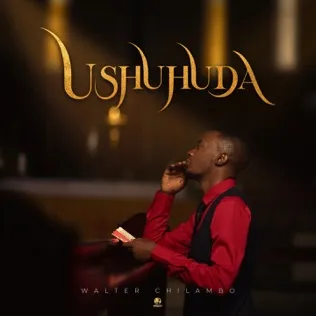
Walter Chilambo - Nitakase Lyrics
Lyrics
Kuna wakati tunapitia mambo magumu
Nakujiona kwamba tunayaweza wenyewe
Kuna wakati yakitulemea twalaumu
Nakukufuru Mungu kumbe ni sisi wenyewe
Kuna wakati akili na mawazo yetu
Tunakusahau wewe tunavipa kipaumbele
Sikwamba huoni haya tunayofanya si sawa
Unatutazama kwa huruma
Vipi nikushukuru kwa nämna gani nikufae
Nami ukanifanye nuru ya ulimwengu na ikang'ae
Kwa maana umesema heri mtu yule
Asiyekwenda katika shauri la wasio haki
Bali sheria yako bwana
Unitengeneze niumbie moyo safi
Unitakase nikupendeze wewe
Unitengeneze uniumbie moyo safi
Unitakase nikupendeze wewe
Bali sheria yako bwana
Najua me nikiumbe dhaifu tu basi
Basi angalau na mimi nikupendeze wewe
Nilingane na wewe hata kwa machache tu
Niwakumbushe na wengine ili wajue upo
Maana kumeharibika
Tunaangamia kwa kukosa maarifa
Hakuna upendo ule umetufundisha
Wanadamu tumebadilika tumekuwa wabaya
Tumesahau kwamba upo
Tumesahau wewe upo
Yani kama hatuoni vile
Vipi nikushukuru kwa nämna gani nikufae
Nami ukanifanye nuru ya ulimwengu na ikang'ae
Kwa maana umesema heri mtu yule
Asiyekwenda katika shauri la wasio haki
Bali sheria yako bwana
Unitengeneze uniumbie moyo safi
Unitakase nikupendeze wewe
Bali sheria yako bwana
Unitengeneze uniumbie moyo safi
Unitakase nikupendeze wewe
Bali sheria yako bwana
Vipi nikushukuru kwa nämna gani nikufae
Nami ukanifanye nuru ya ulimwengu na ikang'ae
Kwa maana umesema heri mtu yule
Asiyekwenda katika shaur la wasio haki
Bali sheria yako bwana ikang'ae
Video
Walter Chilambo - Nitakase (Official Lyric Video)
Meaning & Inspiration
Walter Chilambo's "Nitakase," released on May 16, 2022, as part of his album "Ushuhuda," emerges not merely as a song but as a profound spiritual anthem, resonating with a universal human experience of struggle, introspection, and a yearning for divine connection. From its opening lines, the piece directly confronts the human tendency to navigate life's formidable challenges through self-reliance, proclaiming, "Kuna wakati tunapitia mambo magumu, Nakujiona kwamba tunayaweza wenyewe" (Sometimes we go through difficult things, And feel like we can handle them ourselves). This sentiment immediately calls to mind the biblical caution against trusting in one's own understanding, as Proverbs 3:5-6 urges us to "Trust in the Lord with all your heart and lean not on your own understanding." Chilambo masterfully articulates the subsequent pitfall: when our self-devised solutions inevitably falter, we frequently resort to blaming God, a lamentable act of self-deception that overlooks our own culpability, as Jeremiah 17:5 sternly reminds us about the consequences of trusting in mere mortals.
The narrative deepens by acknowledging our propensity to prioritize our own intellect and worldly concerns over God's presence and wisdom. "Kuna wakati akili na mawazo yetu, Tunakusahau wewe tunavipa kipaumbele" (Sometimes our minds and thoughts, We forget You and prioritize them). This speaks directly to the spiritual amnesia that often afflicts us, diverting our focus from seeking first the Kingdom of God, as admonished in Matthew 6:33. Yet, even in our straying, Chilambo highlights God's unwavering compassion: "Sikwamba huoni haya tunayofanya si sawa, Unatutazama kwa huruma" (It's not that You don't see that what we do is wrong, You look at us with mercy). This portrayal of divine grace is a comforting echo of Lamentations 3:22-23, which assures us that the Lord’s mercies never cease and are new every morning.
The song then transitions into a heartfelt prayer, a core of repentance and a fervent desire for spiritual utility. The question, "Vipi nikushukuru kwa nämna gani nikufae? Nami ukanifanye nuru ya ulimwengu na ikang'ae" (How can I thank You, in what way can I be useful to You? And may You make me a light of the world, and may it shine), is a direct aspiration to fulfill the calling in Matthew 5:14-16 to let our light shine before others. This plea is firmly anchored in scriptural truth, as Chilambo quotes, "Kwa maana umesema heri mtu yule, Asiyekwenda katika shauri la wasio haki, Bali sheria yako bwana" (For You have said, blessed is the one, Who does not walk in the counsel of the wicked, But in Your law, Lord), drawing explicitly from the profound wisdom of Psalm 1:1-2. This commitment to God's law is not just an aspiration but the foundation for true blessing and purpose.
The central petition of "Nitakase" finds its most powerful expression in the chorus: "Unitengeneze niumbie moyo safi, Unitakase nikupendeze wewe" (Mold me, create in me a clean heart, Sanctify me so that I may please You). This is a raw, earnest cry for divine intervention, a direct reflection of David's prayer in Psalm 51:10, "Create in me a pure heart, O God; and renew a steadfast spirit within me." It’s a recognition that true righteousness and the ability to please God are not self-generated but are gifts of sanctification and a new creation, as articulated in 2 Corinthians 5:17. The singer acknowledges his inherent weakness, stating, "Najua me nikiumbe dhaifu tu basi, Basi angalau na mimi nikupendeze wewe" (I know I am just a weak creature, So at least let me please You), yet holds onto the unwavering hope that God's power is made perfect in weakness, a truth beautifully described in 2 Corinthians 12:9-10. This desire extends to a longing to reflect Christ-likeness, even in the smallest ways, and to inspire others to recognize God's existence in a world that has forgotten Him: "Niwakumbushe na wengine ili wajue upo, Maana kumeharibika" (Let me remind others so they know You exist, Because things are ruined/broken).
The song then moves to a sobering observation of the world's brokenness, stating, "Tunaangamia kwa kukosa maarifa, Hakuna upendo ule umetufundisha" (We perish for lack of knowledge, There is no love that You taught us). This poignant declaration directly echoes Hosea 4:6, emphasizing that spiritual ignorance leads to destruction, and laments the absence of the divine love that Jesus commanded in John 13:34-35. Chilambo's reflection that "Wanadamu tumebadilika tumekuwa wabaya, Tumesahau kwamba upo, Yani kama hatuoni vile" (Humans have changed, we have become evil, We have forgotten that You exist, As if we don't see it) paints a stark picture of spiritual blindness and moral decline, reminding us of the depravity described in Romans 1:28-32 when humanity turns away from God. "Nitakase" serves as a powerful call to personal and societal transformation, urging a return to God's ways, His law, and His love. It is a heartfelt plea for spiritual renewal that profoundly challenges believers to examine their own hearts and recommit to being a light in a world desperately needing divine wisdom and truth. This is more than a song; it's a prayer made audible, a profound testament to the enduring human need for God's cleansing touch and guiding hand, encouraging every soul to seek Him in humility and devotion.