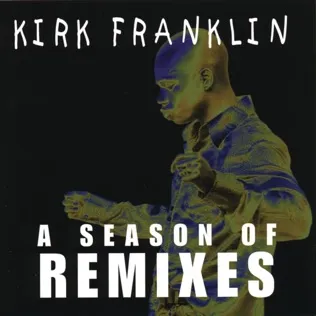
Lyrics
Intro
The Book of Revelations
Chapter 7:Verses 16 and 17
They shall hunger no more,
neither shall they thirst anymore (preach preacher!)
And God shall wipe away
every tear from the eye
Get ready
for the revolution
Chorus
Whoaaaa-o-o-oooooo-ohhhhh
Do you want a revolution?
Whoop Whoop!
I said, Do you want a Revolution?
Whoop Whoop
Whoaaaaa-o-o-Whoaaaa-ohhh-ohhh
Do you want a revolution?
Whoop Whoop
Come on, do you want a revolution?
Whoop Whoop!
Verse 1
Sick and tired of my brothers, killin' each other,
Sick and tired of Daddys leavin' babies with their mothers,
For every man who wants to lay around and play around,
It's important you be man enough to stay around
Sick and tired of the Church, talkin' religion
But then they talk about each other, make a decision
No more racisim, two face-ism
No pollution
the solution
a revolution
Chorus (Repeat)
Whoaaaa-o-o-oooooo-ohhhhh
Do you want a revolution?
Whoop Whoop!
Verse 2
No crime, No dying
Politians lying, Everybody's trying
to make at dollar, it makes me wanna holler
The way I do my life, the way they do my life
There's gonna be a brighter day
All your troubles will pass away
A revolution's comin', yes its comin' comin' brother
A revolution's comin', yes it's comin'
A revolution's comin' comin'
Chorus (Repeat)
Whoaaaa-o-o-oooooo-ohhhhh
Do you want a revolution?
Whoop Whoop!
Verse 3
What you feelin', what you want, son?
Who you callin' to, son?
You know Jesus is the truth, son?
The second in the Trinity
Yeah I know you feelin' him
500 days left, until the new millenium
You hearin' him, the trumpet sounds
Christ, the last, the first, the first, the last, it won't pass
so don't be caught slippin', don't be trippin' brother
'cause when I see him, I'm givin it, come on
Even when we go they say we move too much,
we do too much,
if you step against us,
then you lose too much
ain't no stoppin' what we doin' when the spirit is movin'
don't be hatin' what we doin'
I'm the vessel he's usin'
everywhere I be they try to judge me,
they try to shake me
they try to budge me
but they can't break me 'cause I'm down with Christ
DarkChild and Nu Nation make ya feel alright
Call and Response
Where my east coast saints at? Whoop Whoop!
Where my west coast saints at? Whoop Whoop!
Where my Detroit saints at? Whoop Whoop!
Where my Dallas saints at? Whoop Whoop!
Where my Chi Town saints at? Whoop Whoop!
Where my A-T-L saints at? Whoop Whoop!
Where my Jersey saints at? Whoop Whoop!
Where all my towns saints at? Whoop Whoop!
Put your hands up! Oh, they got their hands up! (4x)
Where my DC saints at? Whoop Whoop!
Where my Nashville saints at? Whoop Whoop!
Where my Newsville saints at? Whoop Whoop!
Where my Philly saints at? Whoop Whoop!
Where my Denver saints at? Whoop Whoop!
Where my Charlotte saints at? Whoop Whoop!
Where my Tampa saints at? Whoop Whoop!
Where my Fort Worth saints at? Whoop Whoop!
Put your hands up! Oh, they got their hands up! (4x)
Outro
Chorus until end
Video
Meaning & Inspiration
“Revolution” by Kirk Franklin is a gospel hip-hop track that calls for change in the world and in the church. It opens with the reading of Revelation 7:16-17, which says they shall hunger no more and God will wipe away every tear, and then asks the listener whether they want a revolution. The shout of “Whoop Whoop” is the crowd’s answer.
The verses name problems directly: violence between brothers, fathers leaving their children, talk of religion without love, racism, and dishonest leaders. The answer offered is a revolution, and the song says a brighter day is coming when troubles pass away. One verse speaks of Jesus as the truth and as second in the Trinity, and says the singer is the vessel He is using.
The last section is a call and response that names saints in many cities and asks them to put their hands up. The central hope is close to Revelation 7:16-17 and 21:4, and the call to stand firm echoes Ephesians 6:13. The track is a mix of preaching, protest and praise.
Related Scripture
- Revelation 7:16-17 They shall hunger no more and God wipes away every tear
- Revelation 21:4 No more death, mourning or crying
- Ephesians 6:13 Stand firm