John Michael Talbot - Holy Is His Name Lyrics

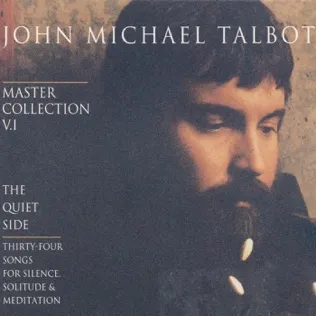
Album: Master Collection, Vol. 1: The Quiet Side
Released: 01 Jan 1989
iTunes Amazon Music

Lyrics

My soul proclaims the greatness of the Lord
And my spirit exalts in God my Savior
For He has looked with mercy on my lowliness
And my name will be forever exalted
For the mighty God has done great things for me
An His mercy will reach from age to age
And holy, holy, holy is His Name
Holy, holy, holy is His Name

Video

Holy is His Name - John Michael Talbot

Thumbnail for Holy Is His Name video

Meaning & Inspiration

As a worship leader, I find that we often lean too hard into the "proclaim" side of our songs. We’re trained to build energy, to get the room singing loudly, to make sure the chorus lands with a thud that shakes the rafters. We want the congregation to feel big, to feel empowered. But when I listen to John Michael Talbot’s setting of the Magnificat, I’m struck by how quiet it forces you to become.

There’s a specific line here: "For He has looked with mercy on my lowliness."

In a Sunday morning environment, we are usually trying to convince people that they are sons and daughters of a King. We want them to feel royal. That’s biblical, of course, but it can easily bleed into a kind of self-congratulatory pride if we aren’t careful. Talbot’s delivery strips that away. When you stop to really sit with that lyric—the idea of God’s gaze falling upon "lowliness"—it’s uncomfortable. It implies that we have to be low to be seen. You can’t be a giant and expect God to look down at your lowliness. You have to be small.

I’ve stood on stage and watched people singing "great things" with their hands held high, and sometimes I wonder: are they singing about God’s greatness, or are they just enjoying the rush of a major key modulation?

The second line that catches me is, "And my name will be forever exalted." It’s a paradox, isn’t it? Mary is talking about her own name being exalted precisely because she was nothing. It’s not a fame-seeking ego trip; it’s an acknowledgement that the only reason she is remembered at all is because of the "mighty God" who chose to inhabit her poverty.

When we play this in the room, it functions as a mirror. If the arrangement is too "produced"—too many pads, too much reverb—it becomes a performance of piety. But when it’s sparse, like Talbot’s recording, it creates a vacuum. It forces the listener to stop projecting their own identity onto the song and instead look at the movement of God’s mercy.

I struggle with this. I wonder if we lead people to the cross or just to a feeling of being "spiritual." This song doesn't provide the dopamine hit of a modern bridge-to-chorus explosion. It’s an ancient, repetitive weight. It’s the sound of someone standing in the presence of something so vast that they don't even have the breath to shout.

It reminds me of Luke 1:46-55, where Mary isn’t just reciting theology; she’s witnessing a revolution where the humble are raised and the proud are scattered. If we aren't being "scattered" in our own pride when we sing this, are we actually worshipping? I’m not sure. Sometimes I think we’re just singing to our own reflections. I’d rather the room be silent and unsettled than full of people who are just riding an emotional high that disappears the moment they hit the parking lot.

Loading...
In Queue
View Lyrics