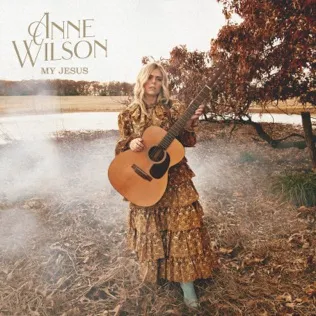
Anne Wilson - Mamas Lyrics
Lyrics
I don’t know why God made one bedroom apartments
Out of state
I don’t know why He made hometowns
If it’s somewhere I can’t stay
I don’t know why He made growing up
But I guess that we’re all gonna
Yeah I don’t know a lot of things
But I know why God made mamas
For the open arms to fall into
For the when you don’t know what to do
For the phone call sayin’ don’t forget
I’m always in your corner
For the heart that makes a house a home
For the knowing that you’re not alone
For the darling don’t you dare give up
Even when you wanna
Yeah, that’s why God made mamas
For putting band aids on a scraped up knee
And wiping tears away
For picking up the pieces
When that dream don’t go your way
For always giving more than taking
Always knowing what ya need
And showing you that fighting’s
Always best done on your knees
I don’t know why God made living life
Down here so hard to do
But I know why God made mamas
‘Cause He knew I needed you
Anne Wilson - Mamas (with Hillary Scott)
Video
Anne Wilson, Hillary Scott - Mamas (with Hillary Scott) (Official Music Video)
Meaning & Inspiration
The hardest part of picking a setlist for Sunday morning is filtering out the noise. We spend so much time looking for songs that function like a ladder, trying to climb our way into a feeling. But sometimes, the most effective songs are the ones that simply name the floor beneath us.
When I look at "Mamas" by Anne Wilson and Hillary Scott, my first instinct as someone who builds services is to ask: Is this worship? Is it vertical? Strictly speaking, it’s a song about a person. But as I sat with it, I started thinking about the architecture of grace. If we believe that God is the author of every good gift—that every glimpse of mercy we receive in this life is a mirror reflecting His character—then maybe a song about a mother isn't a distraction from God, but a prompt to see Him more clearly.
There is a line that stops me cold every time: "And showing you that fighting’s / Always best done on your knees."
We spend so much energy trying to curate "worshipful" moments, coaching people on how to lift their hands or close their eyes. But this lyric pulls the rug out from under that performance. It anchors the idea of prayer not in a sanctuary, but in the grit of a scraped-up life. It’s a move toward the Cross, even if it’s indirect. It points to a posture of surrender that we so often forget: that our struggle, our grief, and our "living life down here so hard to do" is meant to be deposited at the feet of the Father, just as we once leaned on the tangible love of a mother.
The "Landing" here is subtle. The song doesn't leave you with a theological statement about atonement or majesty. Instead, it leaves you with a quiet, uneasy weight of gratitude. It forces the listener to acknowledge that the people who showed us love in our weakest moments were just shadows—imperfect, human shadows—of a much larger reality.
If I put this in a service, the danger is that it stays stuck on the human relationship. We risk turning it into a "Hallmark moment" where everyone leaves feeling sentimental about their childhood. But if you strip away the nostalgia, you’re left with a jagged question: Who is the one who really catches me when the phone calls stop?
Maybe the song works best when it’s allowed to be unfinished. We hold on to the image of the mother who wipes away tears, but the music asks us to look past her, to the Source who gave her that heart in the first place. It’s a simple melody, easy to sing, but the theological work happens in the silence that follows. It doesn't give you a neat answer for why life is hard; it just reminds you that you weren't meant to walk through it alone. That’s a start.