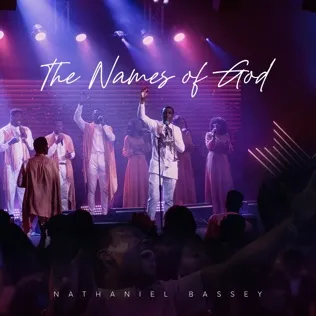
Nathaniel Bassey - Ruach Elohim Lyrics

Album: Names of God
Released: 05 Feb 2022
iTunes Amazon Music

Lyrics

Ruach Elohim, Ruach Elohim Ruach Elohim, Ruach Elohim Ruach Elohim Ruach Elohim, Fill this Place

Ruach Elohim, Ruach Elohim Ruach Elohim, Ruach Elohim Ruach Elohim Ruach Elohim, Fill this Place

Ruach Elohim, Ruach Elohim Ruach Elohim, Ruach Elohim Ruach Elohim Ruach Elohim, Fill this Place

Ruach Elohim, Ruach Elohim Ruach Elohim, Ruach Elohim Ruach Elohim Ruach Elohim, Fill this Place

Ruach Elohim, Ruach Elohim Ruach Elohim, Ruach Elohim Ruach Elohim Ruach Elohim, Fill this Place

Ruach Elohim, Ruach Elohim Ruach Elohim, Ruach Elohim Ruach Elohim Ruach Elohim, Fill this Place

Ruach Elohim, Ruach Elohim Ruach Elohim, Ruach Elohim Ruach Elohim Ruach Elohim, Fill this Place

Ruach Elohim, Ruach Elohim Ruach Elohim, Ruach Elohim Ruach Elohim Ruach Elohim, Fill this Place

Ruach Elohim, Ruach Elohim Ruach Elohim, Ruach Elohim Ruach Elohim Ruach Elohim, Fill this Place

Ruach Elohim, Ruach Elohim Ruach Elohim, Ruach Elohim Ruach Elohim Ruach Elohim, Fill this Place

Ruach Elohim, Ruach Elohim Ruach Elohim, Ruach Elohim Ruach Elohim Ruach Elohim, Fill this Place

Ruach Elohim, Ruach Elohim Ruach Elohim Ruach Elohim Spirit of the Lord Spirit of the Lord, Come and Fill this Place

Ruach Elohim, Ruach Elohim Blast wind and Breath of God Ruach Elohim, Ruach Elohim Ruach Elohim, Fill this Place

Video

Ruach Elohim | Nathaniel Bassey Feat. Victoria Orenze #nathanielbassey #victoriaorenze #namesofGod

Thumbnail for Ruach Elohim video

Meaning & Inspiration

Nathaniel Bassey’s repetition of Ruach Elohim acts less like a standard chorus and more like an incantation of pneumatology. In Hebrew, Ruach defies simple categorization; it is wind, breath, and spirit all at once. When we sing this, we are not merely asking for a feeling; we are invoking the active, hovering presence that moved over the chaotic waters in Genesis 1:2.

There is a distinct theological tension in the petition, "Fill this place." If we hold to the doctrine of omnipresence, God is already everywhere. To ask Him to fill a space implies a transition from His hiddenness to a manifest, sensible reality. We are asking for an activation of the Shekinah—the dwelling presence that rested upon the Tabernacle. It is a request for the holy to override the common.

When Bassey identifies the Ruach as the "Blast wind and Breath of God," he anchors the song in the physicality of Pentecost. This is not a gentle, passive breeze. The Greek pneuma and the Hebrew ruach both carry the weight of power—the same power that knit the lungs of Adam. By framing the Spirit as a "blast," he forces us to reckon with the holiness of the Third Person of the Trinity. If the Spirit is a blast, we must consider whether we are truly prepared for the furniture of our lives to be rearranged. Can we host a storm and call it worship?

I find myself wondering if our modern congregational habit of singing for the Spirit to "fill" is too safe. We treat the presence of God as a commodity to be consumed, a spiritual atmosphere to be enjoyed for an hour. But the Ruach is the author of regeneration. To invite the Breath of God is to invite the destruction of the old nature. It is the agent of sanctification that burns away the dross.

If this song is a creed, it confesses that we are empty vessels—or worse, cluttered ones—in desperate need of the invasive, life-giving wind. Bassey isn’t offering a tidy theological treatise; he is demanding an encounter. Yet, I am left with an unresolved question: how do we act once the blast subsides? We are quick to ask for the filling, but slow to submit to the sovereign redirection that such a wind necessitates. Perhaps the "filling" is not meant to be a comfort, but a commission. When the breath enters the dry bones, they do not just feel better; they stand up. They become an army. We should be careful what we invoke.

Loading...
In Queue
View Lyrics