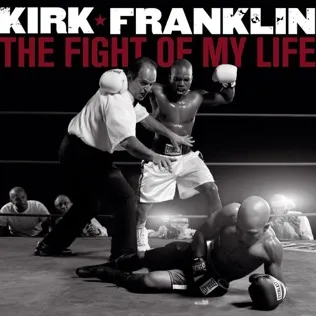
Kirk Franklin - How It Used To Be Lyrics
Lyrics
I ain't gonna lie
I can't even count the days
Or the many nights I tried living here alone
A heart full of pride
And couldn't see the enemy was me
I was blind and thought my second chance was gone
A ship without a sail
Battered by a ranging sea
Taking any love I can to try and stop the pain
while waiting to exhale
I finally got on my knees
I know it's been a long time; do You still remember my name?
Can I go back in time?
Can I have another try?
But I can't change yesterday
Chorus
Oh, I can't take another day without You
'Cause this heart don't beat the same without
I forgot who was, got caught up in this world
Jesus, I apologized
I should've lost my mind without You
Not another sleepless night without You, Jesus
I'm sorry and I'm asking please make us how we used to be
I try and try too keep my mind on You trouble keep calling me
Every time a wound heals, something else take the healing away
And even when I've gone too far, You knew there would come a day
Momma said what you love let it go and if it comes back, then it's back to say
You already knew i belong to only You
I run to Your arms and say
Chorus
Never knew a life so cold
I thought that things could fulfill my soul
Tried to find love on my own
It was hard to admit I was wrong
No money, no cars, no fame, no lies, no games, my life please take it
Now it comes to the break (hey)
Tell what you gon' say, you go say (I know I know)
I'll get my life right but (you know) you ain't promised tonight
Baby girl (Without You)
Chorus
Video
How It Used To Be
Meaning & Inspiration
Kirk Franklin’s powerful song, "How It Used To Be," released on April 8, 2017, serves as a poignant and raw testament to the human struggle with spiritual wandering and the desperate plea for divine restoration. From its opening lines, the song plunges directly into an honest confession of prolonged separation from God, painting a vivid picture of a life adrift. The narrator admits to countless days and nights spent living in solitude, a direct consequence of a heart swollen with pride, blinding him to the true source of his pain: himself. This internal battle, where the self becomes the enemy, resonates deeply, mirroring the scriptural truth found in Proverbs 16:18 that "pride goes before destruction, and a haughty spirit before a fall." The despair of feeling a "second chance was gone" encapsulates the common human experience of believing one has strayed too far to ever return to grace, despite God’s unchanging promise of new mercies every morning, as declared in Lamentations 3:22-23.
The journey continues with vivid metaphors of a life without spiritual mooring, likened to "a ship without a sail, battered by a ranging sea." This imagery powerfully conveys the chaos and directionless nature of existence when untethered from divine guidance, echoing the wisdom of Proverbs 3:5-6, which encourages trust in the Lord rather than relying on one's own understanding. In an attempt to quell the internal torment, the narrator confesses to "taking any love I can to try and stop the pain," a universal search for fulfillment in fleeting worldly pleasures, much like the pursuits of Solomon in Ecclesiastes, who ultimately concluded that all such endeavors are "meaningless." The turning point arrives with a moment of humble surrender: "while waiting to exhale, I finally got on my knees." This physical act symbolizes profound spiritual repentance, a posture of humility and prayer, reminiscent of passages like 2 Chronicles 7:14, where God promises to hear from heaven when His people humble themselves and pray. The vulnerable question, "I know it's been a long time; do You still remember my name?" expresses a deep-seated fear of being forgotten, yet Scripture assures us of God's unwavering remembrance and love, stating in Isaiah 49:15-16 that He will never forget His children.
The heart of the song is revealed in the pre-chorus and chorus, where the universal desire to undo past mistakes confronts the reality that "I can't change yesterday." This recognition propels the fervent plea for restoration. The narrator declares an inability to endure "another day without You" because "this heart don't beat the same without," illustrating an absolute dependence on the divine for life and purpose. The confession, "I forgot who I was, got caught up in this world," speaks to the insidious nature of worldly entanglements that can cause believers to lose sight of their true identity in Christ, as referenced in 2 Corinthians 5:17. The direct address, "Jesus, I apologized, I should've lost my mind without You," is a powerful admission of guilt and a profound acknowledgment of God's preserving grace in times of spiritual wandering. The desperate cry, "Not another sleepless night without You, Jesus, I'm sorry and I'm asking please make us how we used to be," embodies the genuine longing to return to the foundational, unblemished relationship with God, often referred to as one's "first love" in Revelation 2:4, and a desire to escape the turmoil of a guilty conscience, as described in Psalm 32:3-5.
The struggle doesn't end with a single act of repentance; the song acknowledges the ongoing battle, stating, "I try and try to keep my mind on You trouble keep calling me." This reflects the reality of the Christian walk, where temptations and distractions persistently challenge one's focus, as poignantly expressed in Romans 7:15-20 concerning the internal conflict between flesh and spirit. The cyclical nature of healing and re-wounding ("Every time a wound heals, something else take the healing away") speaks to the persistent spiritual warfare. Yet, amidst this struggle, the narrator finds solace in God’s foreknowledge: "And even when I've gone too far, You knew there would come a day," reminding us of God's omnipresence and unending pursuit of His creation, beautifully articulated in Psalm 139:7-12. A mother's timeless wisdom — "what you love let it go and if it comes back, then it's back to say You already knew I belong to only You" — provides a spiritual revelation, affirming God's ultimate ownership and covenantal love, as described in 1 Corinthians 6:19-20, where believers are bought with a price. This profound understanding leads to an immediate and joyful response: "I run to Your arms and say."
The bridge further solidifies the theme of worldly disillusionment: "Never knew a life so cold, I thought that things could fulfill my soul." This powerfully conveys the emptiness of chasing material possessions, fame, or self-sufficiency, which, as Luke 12:15 warns, cannot truly satisfy the soul. The admission, "It was hard to admit I was wrong," highlights the human resistance to humility, a barrier that Proverbs 28:13 challenges us to overcome by confessing and forsaking our sins. The ultimate surrender comes as a raw, unfiltered offering: "No money, no cars, no fame, no lies, no games, my life please take it." This is a profound act of consecration, stripping away all earthly attachments to present oneself as a living sacrifice, holy and acceptable to God, aligning perfectly with the exhortation in Romans 12:1-2. The song concludes with a stark reminder of urgency in the outro: "I'll get my life right but you ain't promised tonight." This poignant statement underscores the unpredictable nature of life and the imperative to respond to God's call without delay, echoing the biblical warning in Hebrews 3:7-8, "Today, if you hear his voice, do not harden your hearts." "How It Used To Be" is thus a profound and deeply moving spiritual narrative, inspiring listeners to confront their own spiritual journeys, acknowledge their need for divine grace, and embrace the transformative power of returning to God's open arms, regardless of how far they may have wandered. It serves as a powerful call to repentance, a comforting assurance of God’s unfailing love, and a timeless reminder of the preciousness of a restored relationship with the Creator.