Tamela Mann - Don't Take Your Joy Away Lyrics
Lyrics
Don't take your joy away
I know that I have done wrong
But I'm asking You as I sing this song
Don't take your joy away
ooooh
Don't take it
I can't make it
I've tried it
I can't live without it
Restore unto me the joy of my salvation
Make me Jesus a new creation
Shake me and make me
Hold me and mold me
Choose me and use me
Chastise me Revive me
Song By Kirk Franklin
Video
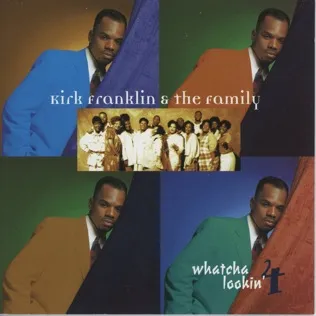
Kirk Franklin & The Family - Don't Take Your Joy Away (Live) (from Whatcha Lookin' 4)
Meaning & Inspiration
Tamela Mann’s "Don't Take Your Joy Away," released on June 3, 2016, quickly resonated as a profound gospel anthem, deeply touching the spiritual core of many. The song, penned by the masterful Kirk Franklin, isn't merely a melodic expression but a desperate, sincere cry from the heart of a believer to the Divine. It articulates the universal human experience of stumbling, acknowledging personal failures, and yet, holding onto the lifeline of God's unchanging grace, specifically His joy. The underlying narrative speaks to the profound realization that without divine joy, life's struggles become unbearable, affirming an absolute reliance on God for spiritual sustenance and resilience.
The core message begins with a raw, vulnerable admission: "I know that I have done wrong." This simple line encapsulates the essence of repentance, a humble acknowledgment of sin and falling short of God’s glory, a sentiment deeply rooted in Scripture, as seen in 1 John 1:9 which assures us that when we confess our sins, He is faithful and just to forgive. This confession sets the stage for the earnest plea, "Don't take your joy away." This isn't a request for fleeting happiness, but for the profound, sustaining gladness that Nehemiah 8:10 describes as "the joy of the Lord [which] is your strength." It is a recognition that this spiritual joy, gifted by God, is essential for perseverance through life's inevitable trials and tribulations.
The song powerfully underscores an absolute dependence on God, declaring, "I can't make it, I've tried it, I can't live without it." This vivid expression reflects the truth found in John 15:5, where Jesus states, "Apart from me you can do nothing." It's an honest confession of human inadequacy and the futility of attempting to navigate life's complexities relying solely on one's own strength. This spiritual joy is portrayed not as an optional addition, but as the very oxygen for the soul, without which true spiritual vitality cannot exist.
The subsequent prayer is a profound surrender and a longing for deep transformation, echoing King David's plea in Psalm 51:12: "Restore unto me the joy of my salvation." This line clarifies that the joy sought is not worldly pleasure, but the deep, abiding peace and assurance that comes from knowing one is redeemed and reconciled with God. Following this, the petition "Make me Jesus a new creation" speaks directly to the transformative power of Christ, calling to mind 2 Corinthians 5:17, which declares, "Therefore, if anyone is in Christ, the new creation has come: The old has gone, the new is here!" It is a yearning for radical spiritual renewal, a complete spiritual overhaul.
The series of active petitions that follow—"Shake me and make me, Hold me and mold me, Choose me and use me, Chastise me Revive me"—reveal a complete willingness to submit to God's refining process. "Shake me and make me, Hold me and mold me" evoke the imagery of a potter and clay, signifying a desire to be shaped and refined by the divine hand, as described in Jeremiah 18:6. The prayer "Choose me and use me" reflects a hunger for divine purpose and service, acknowledging God's sovereign call, as Jesus states in John 15:16, "You did not choose me, but I chose you and appointed you so that you might go and bear fruit." Finally, "Chastise me Revive me" expresses a mature understanding that divine correction, though sometimes painful, is an act of love (Hebrews 12:6), and it is inextricably linked to the desperate need for spiritual revival and restoration, a deep longing for God's life-giving presence to animate the spirit once more (Psalm 85:6).
"Don't Take Your Joy Away" is more than a song; it's a profound spiritual declaration, a guide for navigating moments of spiritual lapse, and a powerful testament to God's unfailing grace. It serves as an inspiring reminder that even in our failings, God remains accessible, ready to restore, reshape, and renew. Its deeply scriptural roots and honest portrayal of the believer's journey make it an enduring source of encouragement, urging all to continually seek and cling to the strength found in the joy of the Lord.