John Michael Talbot - Glory To God Lyrics
Lyrics
Glory, glory to God in the highest
And peace, and peace
Peace to His people on earth
Glory, glory to God in the highest
Glory to God in the highest
And peace to all His people on earth
Glory to God in the highest
Lord God, heavenly King
Almighty God and father
We worship you, we give You thanks
We praise You for Your glory
Lord Jesus Christ
Only Son of the Father
Lord God, Lamb of God
You take away the sins of the world
Receive, receive our prayer
For You alone are the holy One
For You alone are the Lord
For You alone are the Most High
Jesus Christ with Holy Spirit in the glory of God the Father
For You alone are the holy One
For You alone are the Lord
For You alone are the Most High
Jesus Christ with Holy Spirit in the glory of God the Father
Glory, glory to God in the highest
Video
Glory to God by John Michael Talbot
Meaning & Inspiration
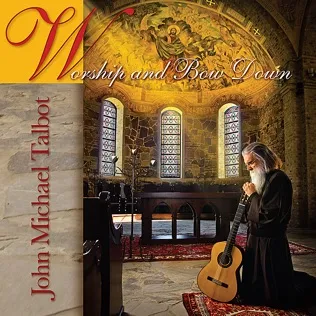
John Michael Talbot’s "Glory To God," released on June 21, 2011, as part of his album *Worship and Bow Down*, stands as a powerful testament to the enduring beauty and theological depth of ancient Christian liturgy. More than just a song, it is an accessible yet profound re-telling of the *Gloria in Excelsis Deo*, a hymn of immense historical and spiritual significance within the Church.
The narrative woven within this piece traces its origins directly to the joyous proclamation of the angels at Christ's birth, as recorded in Luke 2:14: "Glory to God in the highest heaven, and on earth peace to those on whom his favor rests." This foundational angelic message establishes the dual thrust of the hymn: unreserved adoration for God and the promised peace for humanity. Talbot’s interpretation reverently unfolds this sacred text, guiding those who engage with it into a participatory act of worship that transcends time and tradition. It is a call to align our voices with the heavenly host, declaring God’s supreme majesty and embracing the peace His presence bestows.
As the hymn progresses, it moves into a direct address to God the Father, reverently acknowledging Him as "Lord God, heavenly King, Almighty God and Father." This opening invocation resonates deeply with scriptural affirmations of God’s sovereignty and omnipotence. Throughout the Old Testament, God reveals Himself as the "Lord God Almighty" (Genesis 17:1), a title that speaks to His boundless power and authority. The celestial worship described in Revelation 4:8, where beings unceasingly proclaim, "Holy, holy, holy is the Lord God Almighty," finds an echo in this song. Our human response is articulated with humble gratitude: "We worship you, we give You thanks, We praise You for Your glory." This mirrors the psalmist’s fervent call to worship, as seen in Psalm 95:6: "Come, let us bow down in worship, let us kneel before the Lord our Maker." The piece invites us into this ancient, universal posture of adoration, recognizing God’s inherent worthiness of all praise.
The focus then transitions to the Son, Jesus Christ, with equally profound theological weight. He is identified as "Lord Jesus Christ, Only Son of the Father, Lord God, Lamb of God." These titles are central to Christian understanding, affirming Jesus' unique divine nature and His intimate relationship with the Father, as highlighted in John 1:1, "In the beginning was the Word, and the Word was with God, and the Word was God," and John 1:14, "The Word became flesh and made his dwelling among us." The designation "Lamb of God" powerfully recalls John the Baptist’s declaration in John 1:29, "Look, the Lamb of God, who takes away the sin of the world!" This core truth of atonement, that Jesus sacrificially removes the burden of sin, is clearly stated: "You take away the sins of the world," a truth echoed in 1 John 3:5, which states that "He appeared in order to take away sins." The subsequent plea, "Receive, receive our prayer," acts as a humble yet confident petition, acknowledging Christ’s compassionate intercession on our behalf, as affirmed in Hebrews 7:25.
The song reaches its theological zenith with a majestic triple affirmation of Christ's singular status: "For You alone are the holy One, For You alone are the Lord, For You alone are the Most High." This declaration powerfully aligns with biblical passages such as Revelation 15:4, which asks, "Who will not fear you, Lord, and bring glory to your name? For you alone are holy," and Philippians 2:9-11, where it is proclaimed that "every knee should bow... and every tongue acknowledge that Jesus Christ is Lord." The hymn culminates in a profound articulation of the Holy Trinity: "Jesus Christ with Holy Spirit in the glory of God the Father." This line, while concise, encapsulates the mystery and unity of the Triune Godhead – Father, Son, and Holy Spirit – co-equal and co-eternal, existing in perfect relationship and shared glory. This concept is implicitly woven throughout Christian Scripture, from the baptismal commission in Matthew 28:19 to the apostolic blessings in 2 Corinthians 13:14 that invoke the grace of Jesus Christ, the love of God, and the fellowship of the Holy Spirit.
"Glory To God" is therefore much more than a musical composition; it is a meticulously faithful and spiritually enriching rendition of a foundational Christian prayer. Through its reverent wording and clear theological progression, John Michael Talbot extends an invitation to participate in an ancient, ongoing dialogue with the divine. It deepens our understanding of God’s character and His redemptive work, urging us to join our voices with the celestial chorus. This song ultimately provides a powerful means for sincere worship, inspiring profound gratitude for the immense glory of God the Father, the transformative sacrifice of Jesus Christ, and the abiding presence of the Holy Spirit, all leading to the timeless declaration: "Glory, glory to God in the highest."