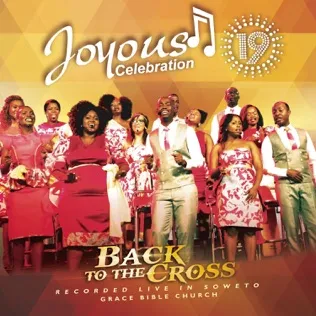
Jabu Hlongwane + Joyous Celebration - Back To The Cross Lyrics
Released: 05 Mar 2015
Lyrics
Jubu traces the origin
of Joyous Celebration in
which they sang "Back to the cross"
in local dialect(Zulu)
Iyasho inhliziyo uJesu ngiyamazi
Uthethelel’ izono sengiya laph’ ekhona
Iyasho inhliziyo ithi nci-nci bo
Wandithand’ uJesu lo
Kush’ incwadi njalo
Ngiyingane yakhe
Anginaw ‘amandla
Yebo uJesu uyangithanda
Uyangithanda incwadi isho nje
Singabantwana abancane
abahlala ethembeni
Usizi, usizi, usizi asinalo
Video
Jabu's Back to the Cross (Live at Grace Bible Church - Soweto, 2015) (Sermon)
Meaning & Inspiration
The release of *Joyous Celebration, Vol.19: Back to the Cross (Deluxe Video Version)* on March 5, 2015, brought with it a powerful reminder of the very essence of faith, encapsulated profoundly in the song "Back To The Cross" featuring Jabu Hlongwane. The narrative woven around this song's genesis is as significant as its message: Jabu Hlongwane himself traces the origins of the iconic Joyous Celebration back to their formative days, singing this very anthem, then in its raw, local dialect (Zulu), signifying its foundational truth for the collective and individual spiritual journey. It is a song that doesn't just invite recollection; it demands a return to the pivotal event that defines Christian belief.
The message of "Back To The Cross" resonates with an unwavering conviction, beginning with a deeply personal declaration: "Iyasho inhliziyo uJesu ngiyamazi, Uthethelel’ izono sengiya laph’ ekhona," which translates to "My heart says I know Jesus, He forgives sins, I go where He is." This opening sets a tone of intimate recognition and acceptance, reflecting a profound understanding that salvation hinges upon acknowledging Christ's redemptive work. It echoes the biblical invitation found in Acts 3:19, urging a turning to God for the blotting out of sins, and reiterates the promise in 1 John 1:9, that if we confess our sins, God is faithful to forgive. The movement described, "I go where He is," speaks to a deliberate, active response to grace, a journey toward the very presence of the one who offers cleansing and new life.
Further into the song, the truth of divine affection is proclaimed with simple yet profound clarity: "Wandithand’ uJesu lo, Kush’ incwadi njalo, Ngiyingane yakhe, Anginaw ‘amandla." This translates to "Jesus loved me, the Book always says so, I am His child, I have no strength." Here, the reference to "the Book" unequivocally points to the Bible, the ultimate testament to God's love for humanity, a love so immense that He gave His Son (John 3:16, Romans 5:8). The acknowledgment, "I have no strength," is not a lament of weakness but a humble surrender, recognizing human inadequacy and placing full reliance on divine power, much like the Apostle Paul's declaration in 2 Corinthians 12:9-10, where God's strength is made perfect in weakness. This understanding cultivates a spirit of dependence and trust, positioning the individual as a beloved child, incapable of self-salvation yet fully embraced.
The song then beautifully culminates in a collective affirmation of identity and hope: "Singabantwana abancane abahlala ethembeni, Usizi, usizi, usizi asinalo." This translates to "We are small children who live in hope, Sorrow, sorrow, sorrow we do not have." The imagery of "small children" harkens to Matthew 18:3, where Jesus calls for childlike faith to enter the Kingdom of Heaven—a faith characterized by simplicity, dependence, and trust. To "live in hope" is to dwell in the assurance of God's promises, a hope that anchors the soul, as described in Hebrews 6:19. The repeated declaration, "Sorrow, sorrow, sorrow we do not have," is a powerful assertion of the peace that transcends worldly understanding, a peace promised by Christ (John 16:33, Philippians 4:6-7) even amidst trials. It is not an absence of hardship but a triumph over despair, knowing that in Christ, the ultimate victory over sorrow has already been secured. The song, therefore, is not merely a performance; it is a profound theological statement, a vibrant re-centering of faith on the cross, inspiring a return to the foundational truths of repentance, God's enduring love, and the liberating joy found in childlike dependence on Him.