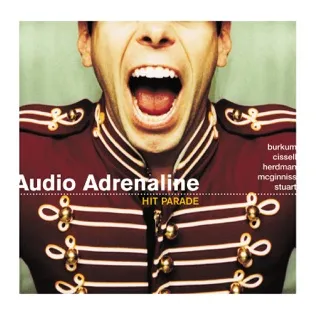
Audio Adrenaline - Rest Easy Lyrics
Lyrics
One more mile 'til I lay rest
I have put myself through this rigid test
But the mile has never ended no distance has been gained
I do not see greatness I wanted to obtain
Where is my embrace from the race that I have run?
I have kept a steady pace but still I have not won
Rest easy
have no fear
I love you perfectly
love drives out fear
I'll take your burden
you take My grace
Rest easy
in My embrace
I am such a sinner I fear my evil ways
I fear my imperfection I fear my final days
I just want to take control and snap this rusty chain
drop my heavy burden it seems to be in vain
Rest easy
have no fear
I love you perfectly
love drives out fear
I'll take your burden
you take My grace
Rest easy
in My embrace
I am not a bold man even though I want to be
I am just a dreamer with a timid history
Scared of confrontations I fume all through the night
the world has it's hold on me and I just want to fly
The sky, the sky is open wide
but I can't fly 'til I step aside
Rest easy
have no fear
I love you perfectly
and perfect love drives out fear
I'll take your burden
you take My grace
Rest easy
in My embrace
Rest easy, rest easy
rest easy, in My embrace
Rest easy
Video
Rest Easy
Meaning & Inspiration
Audio Adrenaline's "Rest Easy," released in 2001 on their album *Hit Parade*, stands as a timeless and profound invitation to spiritual peace. This song beautifully articulates the profound struggle of the human spirit grappling with its limitations and fears, then offers the divine answer of God's perfect, unconditional love. It serves as a lyrical dialogue between a weary soul and the comforting voice of the Divine, offering a narrative that resonates deeply with anyone who has known the weight of their own striving.
The song begins with the poignant confession of a soul burdened by its own efforts and expectations. The lines "One more mile 'til I lay rest / I have put myself through this rigid test / But the mile has never ended no distance has been gained" paint a vivid picture of persistent striving and ultimate futility. This evokes the universal human experience of seeking validation and worth through relentless work or self-improvement, only to find an unachievable finish line. It mirrors the wisdom found in Ecclesiastes, which reflects on the vanity of human toil and ambition when separated from divine purpose. The cry, "Where is my embrace from the race that I have run? / I have kept a steady pace but still I have not won," captures the profound disappointment and exhaustion that comes from attempting to earn something that can only be freely given.
As the narrative unfolds, the struggling voice delves into deeper, more personal fears: "I am such a sinner I fear my evil ways / I fear my imperfection I fear my final days." This honest admission strips away pretense, revealing the core human anxieties about sin, inadequacy, and mortality. The desire to "take control and snap this rusty chain" and "drop my heavy burden" articulates the yearning for freedom from guilt and the overwhelming weight of self-condemnation. This sentiment powerfully echoes the Apostle Paul's own struggle in Romans 7:15-20, where he laments doing what he does not want to do, highlighting the internal conflict between good intentions and sinful actions. The fear of "final days" directly confronts the ultimate consequence of sin, making the need for a savior acutely felt.
The third verse further explores the paralysis of fear, as the voice confesses, "I am not a bold man even though I want to be / I am just a dreamer with a timid history / Scared of confrontations I fume all through the night / the world has it's hold on me and I just want to fly." This speaks to the common experience of being held captive by anxiety and the world's pressures, preventing the soul from soaring into the freedom it craves. The imagery of wanting to "fly" but being unable to "step aside" beautifully illustrates the spiritual stagnation that arises from clinging to self-reliance or being overwhelmed by external circumstances. It stands in stark contrast to the biblical call for courage and trust, such as God's reassurance to Joshua: "Have I not commanded you? Be strong and courageous. Do not be afraid; do not be discouraged, for the Lord your God will be with you wherever you go" (Joshua 1:9).
Interspersed throughout these expressions of human frailty is the profound, unyielding voice of the Divine through the chorus: "Rest easy / have no fear / I love you perfectly / love drives out fear / I'll take your burden / you take My grace / Rest easy / in My embrace." This divine response is the heartbeat of the song, providing the ultimate answer to every human struggle. The command to "Rest easy, have no fear" is directly rooted in Scripture, specifically 1 John 4:18, which states, "There is no fear in love. But perfect love drives out fear, because fear has to do with punishment." God's perfect love is the antidote to all anxieties, offering a sanctuary of peace. The central message of the Gospel is beautifully encapsulated in the exchange: "I'll take your burden / you take My grace." This mirrors Jesus's profound invitation in Matthew 11:28-30: "Come to me, all you who are weary and burdened, and I will give you rest. Take my yoke upon you and learn from me, for I am gentle and humble in heart, and you will find rest for your souls. For my yoke is easy and my burden is light." It speaks of the divine substitution, where Christ takes our sin and weariness, offering His unmerited favor and strength. The repeated call to "Rest easy in My embrace" signifies intimate security, unconditional acceptance, and the deep peace that comes from being fully known and loved by God, a peace that, as Philippians 4:7 promises, "transcends all understanding" and will guard our hearts and minds in Christ Jesus. "Rest Easy" is more than a song; it is a lyrical sermon, a tender reminder that our human striving, fear, and sin are met with divine grace, rest, and an embrace that offers true freedom and lasting peace.