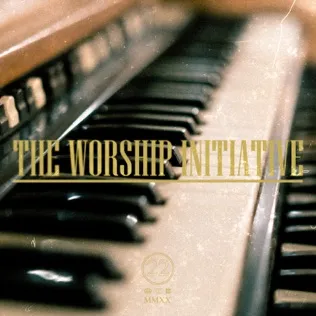
Shane & Shane - My Truest Praise Lyrics

Album: The Worship Initiative, Vol. 22
Released: 25 Sep 2020
iTunes Amazon Music

Lyrics


My heart you wring and press and flame
I know this grief you know my ways
My knees I drop my head you raise
Repentance be my truest praise

More than a word heard clearly
More than a truth felt deeply
More than a song sung sweetly
As a crowd sings with me
Repentance be my truest praise

Showmanship and smiling face
Costume that I wear for praise
Would you cover my dis grace
Repentance be my truest praise

More than a word heard clearly
More than a truth felt deeply
More than a song sung sweetly
As a crowd sings with me
Repentance be my truest praise

Video

My Truest Praise (feat. Sam DeFord)

Thumbnail for My Truest Praise video

Meaning & Inspiration

Released on September 25, 2020, as part of their album *The Worship Initiative, Vol. 22*, Shane & Shane's "My Truest Praise" offers a profound and challenging meditation on the nature of authentic worship. The song immediately dives into a deeply personal confession, charting a spiritual journey from the agony of conviction to the liberating embrace of repentance. It’s a narrative that resonates with anyone who has wrestled with their faith, understanding that true devotion often begins in discomfort and self-examination rather than celebratory ease.

The song’s powerful message centers on the idea that genuine repentance is the most valuable offering we can bring before God, far surpassing any outward show. The opening lines vividly paint a picture of divine discipline and shaping: "My heart you wring and press and flame." This imagery speaks to the refining work of God, a process that can be painful, akin to the refiner’s fire mentioned in Malachi 3:3 or the trials described in 1 Peter 1:6-7, which test and purify our faith. It acknowledges God’s intimate knowledge of our inner lives—"I know this grief you know my ways"—a humbling recognition that He sees beyond our facades, knowing our every thought and inclination, as Psalm 139:2-4 confirms. The turning point arrives with a posture of submission: "My knees I drop my head you raise." This reflects the humility of repentance, kneeling before the Creator, yet finding in that very act an elevation of spirit, a lifting up that aligns with James 4:10, where God exalts those who humble themselves. The foundational declaration, "Repentance be my truest praise," acts as the song's spiritual anchor, reorienting our understanding of what worship truly means. It echoes the sentiment of Psalm 51:17, that a broken and contrite heart is what God desires, a sacrifice more precious than any ritual.

The chorus further elaborates on this vital distinction, clarifying what true praise *is not*: "More than a word heard clearly / More than a truth felt deeply / More than a song sung sweetly / As a crowd sings with me." This passage meticulously dismantles the common misconceptions of worship, moving beyond mere intellectual agreement, emotional experiences, or communal participation. It directly challenges the superficiality that can creep into religious practice, reminding us that God seeks worshipers who engage with Him "in spirit and truth" (John 4:23-24). Without the foundation of genuine repentance, even the most eloquent words, profound feelings, or harmonious anthems become hollow. It is not enough to simply understand a truth or feel moved by it; true worship demands a turning, a transformation.

The song then confronts the dangers of performative faith head-on, with lines like "Showmanship and smiling face / Costume that I wear for praise." This stark self-assessment exposes the human tendency to present a sanitized version of ourselves, to perform for others rather than genuinely connecting with God. It speaks to the hypocrisy Jesus often condemned, where people honor God with their lips while their hearts are far from Him (Matthew 15:8-9). The poignant plea, "Would you cover my disgrace," is a humble request for divine mercy and forgiveness, acknowledging the shame that accompanies pretense. It's a cry for the grace that covers our shortcomings and sins, as promised in passages like Psalm 32:1, which speaks of the blessedness of having one's transgressions forgiven and covered. Ultimately, "My Truest Praise" serves as a powerful call to introspection and sincerity, guiding individuals to shed external appearances and offer God the costly, yet eternally rewarding, worship of a contrite heart and a changed life. It’s an inspiring reminder that our most sincere act of worship is often found not in outward celebration, but in the quiet, transformative act of turning from self and towards the divine.

Loading...
In Queue
View Lyrics