
Don Moen - Jesus We Enthrone You Lyrics
Lyrics
Jesus, we enthrone You
We proclaim You are King
Standing here, in the midst of us
We raise You up with our praise
And as we worship build Your throne
Come Lord Jesus and take Your place
Jesus, we enthrone You
We proclaim You are king
Standing here, in the midst of us
We raise You up with our praise
And as I worship serve Your place
Come Lord Jesus and take Your place
Video
Jesus We Enthrone You
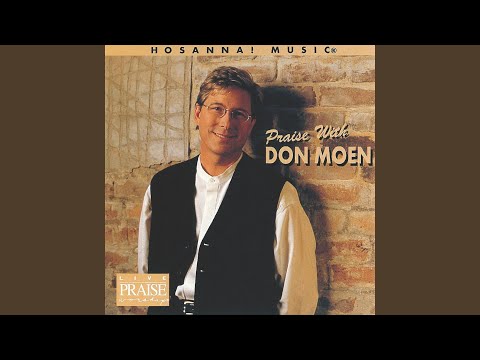
Meaning & Inspiration
Don Moen's "Jesus We Enthrone You," released on January 1, 1995, as part of the live album *Rivers of Joy*, is a foundational worship anthem that invites believers into a profound declaration of God's sovereignty. The song's enduring appeal lies not in intricate melodies or complex harmonies, but in its unwavering focus on the core message: establishing Christ's reign in the hearts of His people and within their gathering. It’s more than just a song; it’s an active spiritual exercise, guiding worshippers to acknowledge and install Jesus as the ultimate authority, not merely in theological concept but in present reality.
The essence of "Jesus We Enthrone You" lies in its title—an active invitation to crown Christ as King. The phrase "we enthrone You" is a powerful declaration, calling believers to consciously place Jesus on the spiritual throne of their lives and their gathered assembly. This isn't a literal coronation, but a profound act of spiritual submission and adoration, aligning with the biblical truth found in Revelation 19:16, which proclaims Jesus as "King of Kings and Lord of Lords." By proclaiming Him King, the song moves beyond passive belief to an assertive, shared confession that elevates His rightful place above all else, echoing the early church's radical declaration that "Jesus is Lord" (Romans 10:9).
The lyrical progression "Standing here, in the midst of us / We raise You up with our praise" emphasizes the immediate and personal nature of God’s presence among His people. It directly references Matthew 18:20, where Jesus promises, "For where two or three gather in my name, there am I with them." This song fosters an atmosphere where God's presence is not just hoped for but actively invoked through corporate worship. Praise, in this context, becomes more than mere singing; it is a spiritual offering that elevates God's glory and worth, creating a space for His manifest presence, much like Psalm 22:3 suggests that God inhabits the praises of His people. The act of "raising Him up" with praise signifies a public acknowledgment of His supremacy and a drawing of attention to His divine authority.
The most profound theological statement in the song comes with the repeated lines: "And as we worship build Your throne / Come Lord Jesus and take Your place." This imagery suggests that worship is not just a reaction to God’s greatness, but an active, creative force that constructs a spiritual seat of authority for Him. It’s an understanding that when God’s people gather in authentic adoration, they are not just filling a space with sound, but are actively establishing an environment where Christ's sovereignty is recognized and His rule is welcomed. This concept beautifully illustrates the reciprocal nature of worship: as we give Him honor, we invite His tangible presence and authority to settle among us. It's an invitation for the King to truly rule, to enact His will and power in the midst of His devoted followers, fulfilling the longing for His kingdom to come on earth as it is in heaven (Matthew 6:10). It's a surrender, a spiritual opening for Him to govern every aspect of the gathered body.
A subtle but significant shift occurs in the latter part of the song, moving from "as *we* worship build Your throne" to "as *I* worship serve Your place." This transition deepens the message from a communal declaration to a personal commitment. While collective worship is powerful, true enthronement of Christ must also take root in the individual heart. "Serve Your place" moves beyond simply acknowledging His kingship to actively living in submission to it. This personal service implies dedication, obedience, and living out the implications of His reign in daily life, echoing Romans 12:1-2, which calls believers to offer their bodies as living sacrifices, an act of worship itself. It transforms the corporate invitation into a personal covenant, ensuring that the King who is enthroned collectively also reigns supreme in each individual life. This song, therefore, stands as a powerful call to both communal and personal surrender, inviting everyone to make Jesus King and to live under His divine authority.