Loyiso Bala + Don Moen - It is Well Lyrics

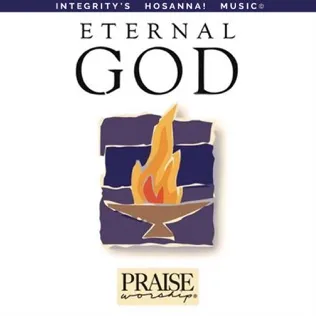
Album: Eternal God (Live)
Released: 01 Jan 1990
iTunes Amazon Music

Lyrics

When peace, like a river, attendeth my way,

When sorrows like sea billows roll;

Whatever my lot, Thou hast taught me to say,

It is well, it is well with my soul.


It is well with my soul,

It is well, it is well with my soul.


Though Satan should buffet, though trials should come,

Let this blest assurance control,

That Christ hath regarded my helpless estate,

And hath shed His own blood for my soul.


It is well with my soul,

It is well, it is well with my soul.


My sin oh, the bliss of this glorious thought!

My sin, not in part but the whole,

Is nailed to the cross, and I bear it no more,

Praise the Lord, praise the Lord, O my soul!


It is well with my soul,

It is well, it is well with my soul.


For me, be it Christ, be it Christ hence to live:

If Jordan above me shall roll,

No pang shall be mine, for in death as in life

Thou wilt whisper Thy peace to my soul.


It is well with my soul,

It is well, it is well with my soul.


But, Lord, ’tis for Thee, for Thy coming we wait,

The sky, not the grave, is our goal;

Oh, trump of the angel! Oh, voice of the Lord!

Blessed hope, blessed rest of my soul!


It is well with my soul,

It is well, it is well with my soul.


And Lord, haste the day when the faith shall be sight,

The clouds be rolled back as a scroll;

The trump shall resound, and the Lord shall descend,

Even so, it is well with my soul.


It is well with my soul,

It is well, it is well with my soul.

Video

It Is Well - Loyiso Bala ft. Don Moen

Thumbnail for It is Well video

Meaning & Inspiration

Horatio Spafford’s hymn, rendered here by Loyiso Bala and Don Moen, is frequently treated as a comfort-lullaby, yet it demands a much more rigid inspection. When we sing "It is well," we are not merely stating a preference for contentment; we are making an ontological claim about our standing before the Judge of the Universe.

The weight of this song sits entirely on the line: "Christ hath regarded my helpless estate, and hath shed His own blood for my soul."

Modern worship often glosses over "helpless estate." We prefer to think of ourselves as partners in a mission or broken vessels in need of a little repair. But Spafford—and the theology he leans upon—is far more blunt. To be helpless is to be incapable of self-rectification. It means the law is against us, our record is stained, and our gravity is pulling us toward destruction. When the music shifts into that confession, it isn’t just a nice melody; it is the recognition of substitutionary atonement. If Christ did not actually regard our inability to save ourselves, the "peace" mentioned in the opening lines would be a delusional sedative rather than a theological reality.

There is a terrifying audacity in claiming "My sin, not in part but the whole, is nailed to the cross." Most of us prefer to keep a few small grievances, a few private justifications, or a few habits tucked away. We like to hold onto a "part" of our autonomy. But the logic of the cross is binary: either the whole debt is satisfied by the blood of the Imago Dei, or the ledger remains open. If we are honest, our experience of this song often fluctuates. We sing it in church when the sky is blue, but how does it sit when the "sea billows roll"? When the trial isn't abstract but a specific, crushing weight, does the theology hold?

Bala and Moen bring a certain gravity to the arrangement, but the lyrics remain a challenge to the listener. They force us to ask: Is my peace anchored in the fact that my sins were nailed to the tree, or is it merely a state of emotional equilibrium based on current circumstances?

I find myself lingering on the phrase, "The sky, not the grave, is our goal." It creates an uncomfortable tension. We spend so much energy trying to make our lives—our "lot"—as comfortable as possible. Yet, the song redirects our gaze toward the return of the Lord. It suggests that our ultimate stability is not found in a lack of turmoil, but in the finality of the eschaton.

It is unsettling. It forces a collision between our desire for ease and the reality of a fallen world waiting for redemption. We are not just waiting for a better day; we are waiting for the "faith [to be] sight." Until then, the singing of these words remains a constant negotiation between our frailty and the objective, finished work of Christ. It is a creed for the weary, provided they are willing to accept that their only standing is found in someone else’s sacrifice.

Loading...
In Queue
View Lyrics