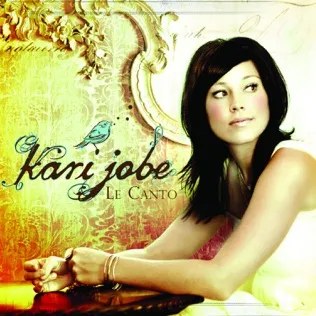
Kari Jobe - Le Canto Lyrics
Lyrics
Solo un Nombre será eterno
Solo El la era cambio
Sol un Rey tiene un himno
Que por siempre se escachará
Y le cando al Dios
Que trae la salvación a las naciones
Reyes, mares se postran ante El
Y le canto al Dios
De salvación la cual creó y es autor
A quien me cubre con su gracia yo
Le canto
Sol una palabra En el Principio
Solo una verdad reinara
Solo un amor nos libera
Solo un hombre se entregó
Yo, alabo al Cordero
Alabo, al Salvador
Yo, alabo al Eterno
Por mi vida salvar
Video
KARI JOBE - LE CANTO
Meaning & Inspiration
Kari Jobe's worship anthem "Le Canto," released on October 15, 2009, emerged during a significant period in contemporary Christian music, offering a profound invitation to personal adoration. The title itself, meaning "I Sing to Him" or "I Sing to You" in Spanish, immediately establishes the song's singular focus: direct, intentional praise directed toward God. This isn't merely singing *about* God, but singing *to* the Divine, creating an intimate atmosphere of worship where the soul pours itself out in musical offering. The song's essence is a declaration of devotion, a personal vow of musical allegiance to the One deemed worthy of all honor and glory.
The core message resonates deeply with the biblical call to worship. Scripture is replete with exhortations to sing unto the Lord; Psalm 96:1 commands, "Sing to the Lord a new song; sing to the Lord, all the earth!" Similarly, Psalm 150 lists various ways to praise, culminating in the universal call, "Let everything that has breath praise the Lord!" "Le Canto" captures this spirit, articulating the fundamental human response to God's goodness, grace, and majesty through vocal expression. It acknowledges that mere words may fall short, but singing, particularly singing directly to Him, serves as a powerful channel for expressing reverence, love, and awe. This act of singing *to* God, as the title suggests, reflects the personal relationship described in verses like James 4:8, "Draw near to God, and he will draw near to you," with worship being a key way we approach His presence.
Analyzing the song further reveals layers of surrender and recognition of God's supreme value. It encapsulates the truth found in Revelation 4:11, declaring, "Worthy are you, our Lord and God, to receive glory and honor and power, for you created all things, and by your will they existed and were created." The impulse behind "Le Canto" is this very recognition of worthiness. The song functions as a response to the overwhelming reality of who God is – His holiness, His power, His unfailing love. This response of singing is not born out of obligation but from a deep, wells-springing desire to elevate His name above all others, reflecting the sentiment of Psalm 29:2, "Ascribe to the Lord the glory due to his name; worship the Lord in the splendor of holiness." The song serves as a melodic pathway into this posture of humble adoration, acknowledging that every breath and every note is a gift to be used in magnifying the Giver.
Musically, the song builds an environment conducive to this personal encounter with the Divine. The composition and arrangement support the vocal delivery, which is characterized by sincerity and a clear focus on the message. The progression allows the worshipper to enter a space of contemplation and then rise into a declaration of praise. The instrumentation typically serves to enhance the spiritual weight of the lyrics, creating an atmosphere where the heart can connect with the words being sung. This synergy between music and message helps facilitate the worshipper's journey into a deeper expression of devotion, making the act of singing "Le Canto" a tangible experience of drawing near to God, much like the collective worship described throughout the Psalms and in the early church in Acts. It encourages individuals to understand their voice, their song, as a personal offering in the grand symphony of creation praising its Maker.