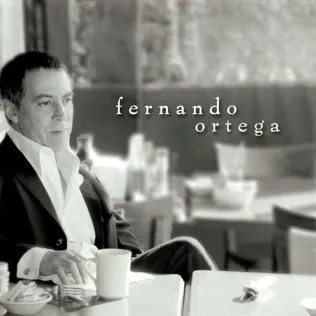
Fernando Ortega - When the Coyote Comes Lyrics

Album: Fernando Ortega
Released: 10 Aug 2004
iTunes Amazon Music

Lyrics

Midnight in the yard
A dog begins to bark
The next-door neighbor
Shuts her kitchen blinds

Up on the moonlit rise
Joe-Jack sleeps outside
On an old gunnysack
Filled with soda cans

Out across the lawn
2 cats have their fun

Epi and Lou on the slippery grass
They tumble and jump in a crazy dance
Look up at the stars like they're in a trance
Climb the willow tree

Epi and Louie freeze
They don't blink or breathe
A sudden danger
In the atmosphere

Walking down the road
Sniffing as he goes
An old coyote
His eyes are yellow green

Trickster on the prowl
Throws back his head and howls

The night heats up when the coyote comes
He won't rest till his work is done
Critters flee when he comes around
Some won't make it home

Life is never what it seems
Pull me from this waking dream
I should have come inside
So much guilt, so much regret

Don't let my life be over
Let me come inside
I wanna come inside

Epi and Lou run across the yard
They look to the window but it's much too far
They turn and race for the broken car
Barely make it in

The night heats up when the coyote comes
He won't rest till his work is done
Every critter flees when he comes around
Some won't make it home

Video

When The Coyote Comes

Thumbnail for When the Coyote Comes video

Meaning & Inspiration

Fernando Ortega's "When the Coyote Comes," released on August 10, 2004, from his self-titled album *Fernando Ortega*, unfolds a chilling narrative that transcends its immediate imagery to offer a profound spiritual reflection. The song initially paints a picture of a tranquil night: a dog barking, a neighbor closing blinds, a man sleeping outdoors, and two cats, Epi and Lou, frolicking playfully. This initial peace sets a familiar, almost idyllic scene, lulling one into a sense of security before the sudden, stark reality of danger emerges, mirroring the often-unseen spiritual battles that lie beneath the surface of everyday life.

The abrupt shift in atmosphere is palpable when Epi and Lou "freeze," sensing an unseen threat. This premonition materializes in the form of an "old coyote," described as a "trickster on the prowl" with "yellow green" eyes. Here, the coyote ceases to be merely an animal and transforms into a powerful metaphor for spiritual adversary. Its arrival signifies the intrusion of evil, the disruptive force that shatters complacency and peace. The biblical echo is undeniable: "Be sober-minded; be watchful. Your adversary the devil prowls around like a roaring lion, seeking someone to devour" (1 Peter 5:8). The coyote’s relentless pursuit, that "he won't rest till his work is done," illustrates the unyielding nature of temptation and sin's destructive intent.

The song’s most poignant lines, "Life is never what it seems, Pull me from this waking dream, I should have come inside, So much guilt, so much regret," cut to the core of spiritual awareness. These words articulate a soul's sudden, terrifying awakening to danger, realizing that a comfortable, seemingly harmless existence was, in fact, a perilous "waking dream." This sentiment deeply resonates with the human experience of recognizing past mistakes, spiritual negligence, or the consequences of ignoring divine promptings. It's the moment when one realizes the sanctuary was available, but chosen comfort over safety. Scripture often warns against spiritual slumber, as Paul writes, "The hour has come for you to wake from sleep. For salvation is nearer to us now than when we first believed" (Romans 13:11). The desperate plea, "Don't let my life be over, Let me come inside, I wanna come inside," is a raw cry for redemption, a yearning for the safety and protection that only God can provide. It's the prodigal son's realization, a plea for refuge, for a return to the safety of the Father's house (Luke 15:11-32).

The conclusion of the cats' journey offers a glimpse of grace and the nature of refuge. Epi and Lou, desperate and running from the relentless predator, "look to the window but it's much too far," before finding salvation in a "broken car." This imagery is particularly striking: the ideal, safe "inside" is out of reach, yet salvation comes through an imperfect, perhaps overlooked, means. It reminds us that God's grace often meets us not in pristine, perfect circumstances, but in our brokenness and desperation. The "broken car" represents a humble, unexpected sanctuary, a testament to God's providence even when our planned escape routes fail. He is our "refuge and strength, a very present help in trouble" (Psalm 46:1), and He makes a way where there seems to be no way. The song serves as a powerful call to spiritual vigilance, urging us to recognize the subtle dangers that surround us and to actively seek the "inside" of God's protection before the "coyote comes." It’s an inspiring reminder that even when we stumble or delay, the door to His refuge remains open for those who genuinely seek it.

Loading...
In Queue
View Lyrics