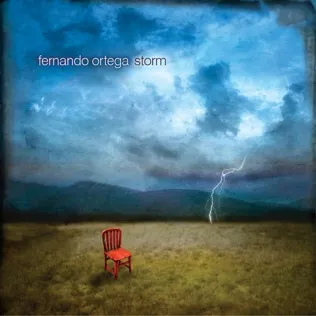
Fernando Ortega - Jesus Paid It All Lyrics

Album: Storm
Released: 05 Feb 2002
iTunes Amazon Music

Lyrics

I hear the Savior say,
Thy strength indeed is small!
Child of weakness, watch and pray,
Find in Me thine all in all

Chorus
Jesus paid it all
All to Him I owe
Sin had left a crimson stain
He washed it white as snow

Lord, now indeed I find
Thy power, and Thine alone,
Can change the leper's spots
And melt the heart of stone

Chorus

For nothing good have I
Where-by Thy grace to claim
I'll wash my garments white
In the blood of Calvary's Lamb

Chorus

And when before the throne
I stand in Him complete
Jesus died my soul to save
My lips shall still repeat

Chorus

Video

Jesus Paid it All - Fernando Ortega - Lyrics

Thumbnail for Jesus Paid It All video

Meaning & Inspiration

Fernando Ortega’s rendition of the timeless hymn, "Jesus Paid It All," released on February 5, 2002, as part of his album *Storm*, breathes fresh life into a message of profound spiritual truth that has resonated through generations. While the melody carries a gentle, almost meditative quality, it is the unwavering declaration of Christ's finished work that truly defines this recording. The hymn itself, penned by Elvina M. Hall in 1865, perfectly encapsulates the core of Christian theology: humanity’s utter inability to earn salvation and God’s lavish provision through His Son. Ortega’s interpretation faithfully carries this weight, serving as a solemn yet deeply hopeful affirmation for anyone grappling with their own shortcomings and seeking divine redemption.

The opening stanza immediately sets the scene by emphasizing human frailty and the divine call to dependence: "I hear the Savior say, Thy strength indeed is small! Child of weakness, watch and pray, Find in Me thine all in all." This poignant invitation echoes numerous biblical passages that highlight our inherent limitations and God's boundless power. Jesus Himself declared in John 15:5, "Apart from Me you can do nothing," a truth further amplified by Paul in 2 Corinthians 12:9, where God promises, "My grace is sufficient for you, for My power is made perfect in weakness." Ortega’s delivery brings out the tenderness of this divine counsel, reminding us that true strength is found not in self-reliance but in surrender, seeking God as our complete source and refuge, as Psalm 46:1 attests: "God is our refuge and strength, a very present help in trouble."

The chorus, the heart of the hymn, then erupts with the glorious proclamation: "Jesus paid it all, All to Him I owe, Sin had left a crimson stain, He washed it white as snow." This is the ultimate declaration of the Gospel. Every soul carries the burden of sin, described vividly here as a "crimson stain"—a powerful image drawn directly from Isaiah 1:18, where God promises, "Though your sins are like scarlet, they shall be as white as snow." This cleansing is not earned but gifted, as evidenced by Christ’s atoning sacrifice. Romans 3:23-24 states plainly, "for all have sinned and fall short of the glory of God, and are justified by His grace as a gift, through the redemption that is in Christ Jesus." The profound debt we owe for our transgressions (Colossians 2:13-14) was fully paid on the cross, making reconciliation possible and our spirits pure.

The subsequent verses delve deeper into the transformative power of this payment. "Lord, now indeed I find, Thy power, and Thine alone, Can change the leper's spots, And melt the heart of stone." Here, the imagery of leprosy, an incurable and isolating disease in biblical times, powerfully symbolizes the ingrained nature of sin that only divine intervention can remedy. Just as Jesus physically healed lepers (Mark 1:40-42), His spiritual power can cleanse the most defiled heart. This transformation is further described by the "heart of stone" being replaced by a "heart of flesh," a promise found in Ezekiel 36:26, signifying a complete inner renewal, a new capacity to love and obey God where only rebellion once existed (Jeremiah 17:9).

The hymn then confronts human inadequacy head-on: "For nothing good have I, Where-by Thy grace to claim, I'll wash my garments white, In the blood of Calvary's Lamb." This verse eloquently articulates the biblical truth that salvation is entirely by grace, not by human merit. Ephesians 2:8-9 unequivocally declares, "For by grace you have been saved through faith. And this is not your own doing; it is the gift of God, not a result of works, so that no one may boast." There is no good deed, no inherent righteousness in us that can earn God's favor (Romans 3:10-12). Our "garments"—our spiritual state—are made pure only through the sacrificial blood of Jesus, the Lamb of God, mirroring the heavenly scene in Revelation 7:14 where the redeemed are described as those who "have washed their robes and made them white in the blood of the Lamb."

The final stanza brings the message to its ultimate conclusion, looking toward eternity: "And when before the throne, I stand in Him complete, Jesus died my soul to save, My lips shall still repeat." This provides a magnificent vision of future hope, a time when every believer will stand before God's throne, not condemned but "complete in Him," as Colossians 1:22 and Jude 1:24 assure us. This completeness is not our achievement but a direct result of Christ's finished work. The profound gratitude expressed in the continuous repetition of the chorus serves as a powerful testament to the unending worship and adoration due to the One who secured our eternal salvation. Fernando Ortega’s simple, reverent presentation allows this profound biblical truth to resonate deeply, encouraging us all to embrace the liberating message that Jesus truly paid it all.

Loading...
In Queue
View Lyrics