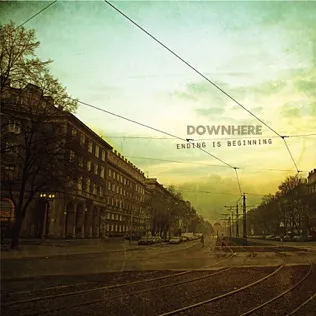
Downhere - Coming Back Home Lyrics
Lyrics
After the longest exile
Trying to fake it on my own
I'm aching for my home
I've been astray
for much too long
And knowing I've done
You so much wrong
Just makes me feel
that much more alone
But in my sadness
I hear You calling, so...
I'm coming back home
to build what I tore down
Left my world in shambles
Only this time
I'll let You wear the crown
I'm coming back home
to built what I tore down
If You will forgive me
You won't fail me,
You won't let me down
Coming back home to built it
I've been afraid of what I'll find
When I open the door
to what's inside
I'm back, but all's not right
Cuz there is still a mess
to clean up
There are wars to fight
and be freed of
But if You're there with me
I will have no reason to fear
Cuz in this madness
You are my solace
Into your arms
this wayward son is...
Video
Coming Back Home
Meaning & Inspiration
Downhere's "Coming Back Home," a profound track from their 2008 album *Ending Is Beginning*, serves as a powerful spiritual anthem for anyone who has experienced the ache of separation and the hope of return. The song immediately plunges into a narrative of isolation and regret, painting a vivid picture of a soul wrestling with the consequences of self-reliance. The opening lines convey a deep weariness, describing a "longest exile" spent attempting to navigate life independently, only to find oneself "aching for my home." This yearning is not merely for a physical place but for a spiritual haven, a re-establishment of connection after a period of being "astray." The honest admission of doing "so much wrong" highlights the inner turmoil that often accompanies such a journey, deepening the sense of loneliness until a turning point is reached, where, even in sadness, a divine calling is distinctly heard.
The heart of the song's message bursts forth in its compelling chorus: a resolute declaration of "Coming Back Home to build what I tore down." This isn't just a passive return but an active commitment to repentance and restoration. The surrender of control is palpable in the promise, "Only this time I'll let You wear the crown," signifying a pivotal shift from self-governance to allowing God to assume His rightful place of authority. The accompanying plea for forgiveness and unwavering trust in God's faithfulness – "If You will forgive me, You won't fail me, You won't let me down" – speaks to the bedrock of Christian hope: God’s steadfast love and mercy. This sentiment deeply echoes the unwavering love of the father in the Parable of the Prodigal Son found in Luke 15:11-32, where the wayward child is welcomed back with open arms, not condemnation. The return isn't conditional on the son's worthiness, but on the father's boundless grace.
The journey home, as depicted in the song, is remarkably realistic, avoiding any sugarcoating of the challenges ahead. The individual acknowledges the fear of confronting "what's inside" upon opening the door, recognizing that even upon return, "all's not right" and there remains a "mess to clean up." This speaks to the ongoing process of sanctification in a believer's life, where past mistakes and entrenched habits require persistent effort and divine aid to overcome. The song’s frankness about "wars to fight and be freed of" reflects the spiritual battles faced daily, aligning with the Apostle Paul's exhortation in Ephesians 6:12 to contend not against flesh and blood, but against spiritual forces. Yet, amidst this reality, the song offers profound assurance: "if You're there with me I will have no reason to fear." This powerful truth, that God’s presence dispels anxiety, mirrors promises like Isaiah 41:10, "Fear not, for I am with you; be not dismayed, for I am your God." In the midst of life's "madness," God remains the ultimate "solace."
Ultimately, "Coming Back Home" is a beautiful testament to God's relentless pursuit of His children and the profound grace awaiting those who choose to return. The final line, "Into your arms this wayward son is..." clearly and powerfully evokes the image of the Prodigal Son's ultimate reconciliation, underscoring the unconditional love of a Heavenly Father who watches, waits, and welcomes His children home. It is a clarion call to repentance, a declaration of surrender, and a celebration of divine faithfulness that assures anyone feeling lost or estranged that their deepest longing for home can be met in the embrace of God. This message resonates deeply with 1 John 1:9, which promises that "If we confess our sins, he is faithful and just to forgive us our sins and to cleanse us from all unrighteousness." The song isn't just about a physical journey, but a profound spiritual homecoming, inviting all to experience the transformative power of God's enduring love and unwavering presence, reminding us that He will indeed "never leave you nor forsake you" (Hebrews 13:5).