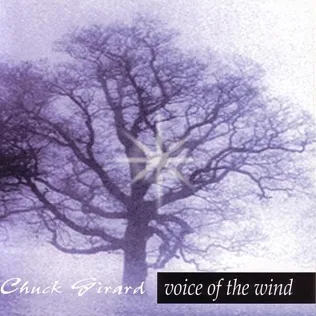
Chuck Girard - Psalm 5 Lyrics
Lyrics
Chorus:
And give ear to my words, O LORD,
consider my meditation.
Hearken unto the voice of my cry,
my King, and my God:
for unto thee will I pray.
My voice shalt thou hear in the morning,
O LORD; in the morning will
I direct my prayer unto thee, and will look up.
Chorus
Look up, hold your head high
Come before the throne with confidence
You can hold your head up high.
Come with boldness, come with confidence.
Your head high, your heart bowed down.
Come with confidence to worship the Lord,
For he is worthy, he is worthy.
Chorus
Unto thee, and will look up.
Video
Psalm 5
Meaning & Inspiration
Chuck Girard's "Psalm 5," released on January 1, 1979, as part of his album *Voice of the Wind*, stands as a timeless piece that breathes new life into ancient scripture. This song isn't merely a musical interpretation; it is a profound journey into the heart of a morning prayer, inviting those who engage with it to cultivate a deeper, more intentional relationship with the Divine. Girard takes the raw, vulnerable cry of King David from the Old Testament and infuses it with a New Covenant perspective, creating an anthem of confident devotion for the believer.
The song’s foundational chorus directly draws from the first three verses of Psalm 5, a powerful lament and petition for God's attentive ear. When Girard sings, "And give ear to my words, O LORD, consider my meditation. Hearken unto the voice of my cry, my King, and my God: for unto thee will I pray," he articulates a universal human longing for divine recognition. This isn't just about spoken words; "consider my meditation" emphasizes the deeper, unspoken thoughts and concerns of the spirit, a plea for God to discern the very intentions of our hearts, as Hebrews 4:12 reminds us. The declaration "my King, and my God" affirms absolute sovereignty and personal relationship, setting the stage for unreserved prayer. The subsequent lines, "My voice shalt thou hear in the morning, O LORD; in the morning will I direct my prayer unto thee, and will look up," establish a crucial discipline. This deliberate act of seeking God first thing, as seen in Psalm 63:1 where David expresses a thirst for God "early will I seek thee," grounds the song in a powerful commitment to starting each day with spiritual focus, anticipating God's presence and guidance. The phrase "will look up" signifies hope, expectation, and a posture of trust in the unseen.
What truly elevates Girard’s rendition beyond a simple quoting of scripture is the bridge, an original addition that acts as a profound theological bridge between the Old Testament foundation and the New Testament reality. Here, the song shifts from a personal plea to an inspiring call to action for the worshiper. "Look up, hold your head high," repeated as an encouragement, isn't an invitation to arrogance but to confidence born of redemption. This is beautifully contrasted with the often-perceived posture of humility in prayer. It calls to mind the freedom believers have to "come before the throne with confidence," a privilege underscored in Hebrews 4:16, which encourages us to "approach God’s throne of grace with confidence, so that we may receive mercy and find grace to help us in our time of need." This boldness is not inherent but is granted through the finished work of Christ, as Ephesians 3:12 confirms our access "with boldness and confidence through faith in him."
The song masterfully reconciles what might seem contradictory with the line, "Your head high, your heart bowed down." This paradox captures the essence of Christian worship: an outward posture of confident access and assurance in God's invitation, coupled with an inward posture of profound humility and reverence for His majesty. It acknowledges our adoption as children while simultaneously recognizing His supreme holiness. This dual perspective is crucial for understanding how we can approach a holy God without fear, yet with due respect. The ultimate purpose of this confident access is articulated in the final lines of the bridge: "Come with confidence to worship the Lord, For he is worthy, he is worthy." This declaration of God's worthiness is the bedrock of all worship, echoing the celestial praise found in Revelation 4:11, where heavenly beings proclaim, "You are worthy, our Lord and God, to receive glory and honor and power." Our confidence in approaching God is not in our own merit, but in His inherent worthiness and the grace He extends.
"Psalm 5" by Chuck Girard is more than just a song; it is a spiritual practice set to music. It encourages a daily discipline of prayer, starting each morning by directing our hearts and voices to God. It transforms the ancient lament of David into a vibrant, confident declaration for believers today, reminding us of our privileged access to God's throne through Christ. The song’s enduring power lies in its ability to inspire a consistent, hopeful, and reverent approach to prayer, fostering a deeper connection with the Creator who both hears our cries and invites us into His presence with a "head high, heart bowed down" worship. It’s a testament to the timeless nature of Scripture and the power of music to illuminate its profound truths, guiding us to "look up" in faith and expectation.