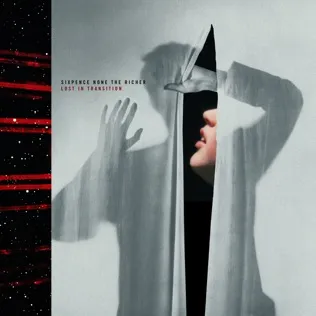
Sixpence None the Richer - Sooner Than Later Lyrics

Album: Lost in Transition (Bonus Track Version)
Released: 07 Aug 2012
iTunes Amazon Music

Lyrics

I guess we did what we thought we had to
But what we did wasn't right
Prouder than we should have been
Too many times we walked away

Now I always knew there'd be questions
And I know what we tried to do
You were something special
There was nothing simple about you

They say what's right isn't wrong
I think that I'll make a wager
You carried along until you felt out of danger
I wrote you this song so won't you do me a favor
When it's my turn to fall, you'll catch me sooner than later

Now I'm missing those times tonight
Dark was dark and light was light
No one knew you better and nobody tried harder

They say what's right isn't wrong
I think that I'll make a wager
You carried along until you felt out of danger
I wrote you this song so won't you do me a favor
When it's my turn to fall you'll catch me sooner than later

I saw you standing by the road yesterday
I saw your shadow fall across my way

Video

Sixpence None the Richer - Sooner Than Later (Official Video)

Thumbnail for Sooner Than Later video

Meaning & Inspiration

Sixpence None the Richer's "Sooner Than Later," a captivating offering from their 2012 album "Lost in Transition (Bonus Track Version)" released on August 7, 2012, emerges as a profound meditation on human fallibility, the complexities of relationship, and the enduring hope for grace. The song bypasses overt theological declarations in favor of a deeply personal plea, inviting all who have stumbled to find solace and a path towards redemption, resonating powerfully with the Christian journey of faith and dependence on divine mercy.

The song begins with a candid confession, reflecting on choices made with good intentions that ultimately proved misguided: "I guess we did what we thought we had to / But what we did wasn't right." This opening immediately plunges into the shared human experience of regret and moral misstep, acknowledging that even our best efforts can lead us astray. The subsequent lines, "Prouder than we should have been / Too many times we walked away," point to the corrosive effects of pride and the tendency to retreat from difficult situations or challenging relationships, both of which are deeply addressed in Scripture. Proverbs 16:18 reminds us, "Pride goes before destruction, a haughty spirit before a fall," highlighting the very human flaw the song’s narrator laments, while the act of "walking away" can mirror spiritual backsliding or abandoning the call to steadfastness.

The narrative then shifts to acknowledge the intricate nature of the relationship at the song's core, stating, "Now I always knew there'd be questions / And I know what we tried to do / You were something special / There was nothing simple about you." This speaks to the depth and often challenging reality of profound connections, whether with a cherished individual or, by spiritual extension, with God Himself. Our walk of faith is rarely simplistic; it's filled with moments of doubt, striving, and grappling with a divine nature that is both intimately personal and infinitely mysterious. Isaiah 55:8-9 declares, "For my thoughts are not your thoughts, neither are your ways my ways," affirming the unfathomable depth of the Creator and the questions that naturally arise in our limited understanding.

The true heart of the song unfolds in the central petition: "They say what's right isn't wrong / I think that I'll make a wager / You carried along until you felt out of danger / I wrote you this song so won't you do me a favor / When it's my turn to fall, you'll catch me sooner than later." This is a poignant prayer for rescue, a wager placed on the enduring faithfulness of the one being addressed. It’s a bold yet vulnerable appeal for intercession, born from a recognition of one's own impending weakness. This desperate longing for divine intervention echoes the cries found throughout the Psalms, such as Psalm 37:24, which promises, "though he may stumble, he will not fall, for the Lord upholds him with his hand." The very act of writing the song becomes a humble offering, a testament to the longing for grace and the belief that help will come. It is a confident approach to the throne of grace, trusting in a loving provider who hears and responds, much like the encouragement in Hebrews 4:16: "Let us then approach God’s throne of grace with confidence, so that we may receive mercy and find grace to help us in our time of need."

The narrator expresses a profound nostalgia for a time of clarity and unwavering truth: "Now I'm missing those times tonight / Dark was dark and light was light / No one knew you better and nobody tried harder." This yearning reflects a universal human desire for spiritual simplicity and certainty, for a return to fundamental truths when distinctions were clear and faith was uncomplicated. This profound connection described, where "no one knew you better and nobody tried harder," can be beautifully interpreted as the unparalleled intimacy and relentless pursuit of God. He knows us perfectly, intimately, and His tireless efforts to draw us near are unmatched, as affirmed in John 10:14, where Jesus declares, "I am the good shepherd; I know my sheep and my sheep know me."

The repeating plea to "catch me sooner than later" serves to underscore the profound depth of human need and the unwavering hope in a reliable source of strength. This repetition is not merely a lyrical device but a deepening of the prayer, a continuous leaning into the promise of divine support. It reassures us that no matter how many times we may stumble or fear falling, God’s steadfast love and readiness to uphold us remains. Deuteronomy 31:6 encourages us with a similar promise: "Be strong and courageous. Do not be afraid or terrified because of them, for the Lord your God goes with you; he will never leave you nor forsake you."

The song concludes with an image of persistent presence: "I saw you standing by the road yesterday / I saw your shadow fall across my way." These final lines offer a beautiful visual of ongoing connection and protective oversight. It suggests that even in moments when we are walking alone, or feeling vulnerable by the roadside of life, the one we depend on is ever-present, casting a shadow of comfort and guidance across our path. This subtle assurance mirrors the comforting presence of God described in Psalm 23:4, "Even though I walk through the darkest valley, I will fear no evil, for you are with me; your rod and your staff, they comfort me." "Sooner Than Later" ultimately serves as an inspiring anthem for all who grapple with their imperfections, offering a testament to the power of sincere prayer and the unwavering belief that, in our moments of greatest need, grace will indeed catch us.

Loading...
In Queue
View Lyrics