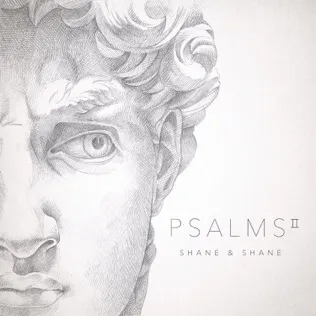
Shane & Shane - Psalm 13 Lyrics

Album: Psalms, Vol. 2
Released: 23 Oct 2015
iTunes Amazon Music

Lyrics


How long, oh Lord will You forget me?
How long, oh Lord, will You hide, hide Your face from me?
How long must I wrestle with me
And everyday have sorrow in my heart, sorrow in my heart?

I will wait on You, I will wait on You, I will wait on You

Look on me Lord and answer me
Give my eyes light or I will sleep in death, I will sleep in death
My enemies say, "I will overcome Him"
And my foes rejoice even when I fall, I don't want to fall

For I will trust in Your unfailing love
My heart rejoices in Your salvation, I will sing to the Lord

Video

Shane & Shane: Psalms 13

Thumbnail for Psalm 13 video

Meaning & Inspiration

Released on October 23, 2015, as part of their album *Psalms, Vol. 2*, Shane & Shane’s "Psalm 13" offers a profound musical journey through one of Scripture's most relatable and raw laments. The song acts as a direct, deeply felt interpretation of King David's ancient prayer, giving voice to the agonizing question of "how long" God will seem absent or silent in times of deep personal distress. It masterfully captures the full emotional spectrum embedded in the original Psalm, moving from desperate questioning to resolute trust, reflecting a universal human experience of wrestling with faith amidst suffering.

The opening lines immediately plunge into the heart of the lament, echoing David’s poignant cry: "How long, oh Lord will You forget me? How long, oh Lord, will You hide, hide Your face from me?" This isn't a casual question but a visceral outpouring of a soul feeling abandoned, a sentiment that resonates deeply with anyone who has felt God’s presence distant during trials. The concept of God hiding His face speaks of a perceived withdrawal of favor, blessing, or even comfort, a spiritual darkness that contrasts sharply with the longing for His light (Numbers 6:25-26, Psalm 4:6). The internal struggle is vividly portrayed through the line, "How long must I wrestle with me and everyday have sorrow in my heart," acknowledging the relentless internal battle against despair and persistent grief that often accompanies seasons of waiting on God (Psalm 13:1-2). This raw honesty is not a sign of weak faith, but rather a testament to the Psalms' invitation for believers to bring their unvarnished pain and confusion directly before a trustworthy God.

Just when the anguish feels overwhelming, the song introduces a powerful, foundational declaration: "I will wait on You." This isn't a passive resignation but an active, faith-filled commitment. It’s a deliberate pivot, rooted in the biblical understanding of waiting, which implies patient endurance and hopeful anticipation of God's intervention, even when circumstances offer no immediate comfort. This mirrors the steadfastness encouraged in verses like Isaiah 40:31, "those who wait for the Lord shall renew their strength," and Psalm 27:14, "Wait for the Lord; be strong, and let your heart take courage; wait for the Lord!" It’s a moment of spiritual defiance against the crushing weight of sorrow, affirming belief in God’s ultimate faithfulness despite present feelings.

The lament returns, now with an urgent plea for divine intervention: "Look on me Lord and answer me Give my eyes light or I will sleep in death." This is a desperate cry for God to act, to shed His life-giving light on a soul teetering on the brink of despair, fearing a spiritual or even literal demise (Psalm 13:3). The plea for "eyes light" signifies a desire for renewed hope, clarity, and the very vitality that comes from God's presence, contrasting with the 'sleep of death' which implies spiritual darkness and hopelessness (Psalm 119:105, Proverbs 4:18). The addition of external pressures, "My enemies say, 'I will overcome Him' and my foes rejoice even when I fall," amplifies the urgency, portraying how suffering is often compounded by the taunts and perceived triumphs of those who oppose righteous living. This echoes countless Psalms where David’s personal suffering is exacerbated by the scorn of his adversaries, making God's vindication even more critical (Psalm 13:4, Psalm 42:3,10). The declaration, "I don't want to fall," is a prayer for perseverance and divine upholding.

The song culminates in a glorious return to unwavering trust and joyful anticipation, a characteristic arc of many Psalms that move from complaint to confidence. "For I will trust in Your unfailing love My heart rejoices in Your salvation, I will sing to the Lord." This final, powerful declaration is the turning point, a testament to the enduring nature of God’s covenantal love, or *hesed* in Hebrew—a loyal, steadfast love that does not fail (Psalm 13:5, Psalm 36:5, Psalm 103:11). The transition from questioning God’s forgetfulness to rejoicing in His salvation is not based on a change in immediate circumstances, but on a renewed focus on God’s unchanging character and promises. It’s a powerful model for believers to intentionally shift their gaze from their troubles to the assured hope found in God’s redemption. This journey from anguish to praise, from "how long" to "I will sing," is the heart of what Psalm 13 offers, providing a template for processing pain in faith and returning to a posture of worship, confident in the Lord who ultimately delivers. Shane & Shane's rendition provides not just a musical performance, but a spiritual guide for anyone navigating the dark valleys of life, reminding us that even in our deepest laments, we can find our way back to trust and joy in God's unfailing love.

Loading...
In Queue
View Lyrics