
Rascal Flatts - Why Lyrics
Lyrics
You must have been in a
Place so dark
You couldn't feel the light
Reachin' for you through
That stormy cloud
Now here we are
Gathered in our little hometown
This can't be the way
You meant to draw a crowd
[Chorus]
Oh why, that's what I keep asking
Was there anything I could've
Said or done
Oh, I had no clue you were
Masking
A troubled soul, God only knows
What went wrong and why
You would leave the stage
In the middle of a song
Now in my mind I'll keep you frozen
As a seventeen-year-old
Rounding third to score the
Winning run
You always played with passion
No matter what the game
When you took the stage
You'd shine just like the sun
[Chorus]
Oh why, that's what I keep asking
Was there anything I could've
Said or done
Oh, I had no clue you were
Masking
A troubled soul, God only knows
What went wrong and why
You would leave the stage
In the middle of a song
Now the oak trees are swaying
In the early autumn breeze
A golden sun is shining on my face
Through tangled thoughts
I hear a mockingbird sing
This old world really ain't that
Bad of a place
Oh why, there's no comprehending
And who am I to try to
Judge or explain
Oh, but I do have one
Burning question
Who told you life wasn't
Worth the fight
They were wrong, they lied
Now you're gone and we cry
'Cause it's not like you to
Walk away
In the middle of a song
Your beautiful song
Your absolutely beautiful song
Video
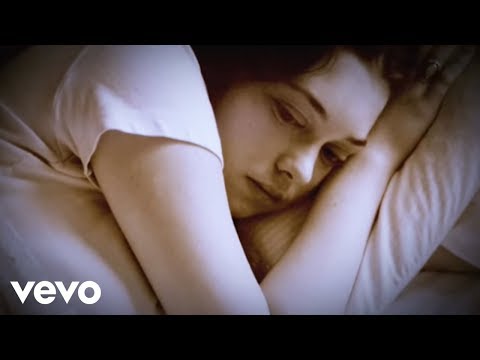
Rascal Flatts - Why
Meaning & Inspiration
Rascal Flatts' poignant ballad, "Why," released in 2007 as part of their compilation album *Twenty Years of Rascal Flatts - The Greatest Hits*, delves into the profound grief and unanswered questions that follow a sudden and tragic departure. The song isn't about a literal leaving of a musical performance, but rather uses that vivid imagery to represent a life cut short, a soul extinguished before its time. It speaks to the universal human experience of grappling with loss, particularly when the reasons behind it remain shrouded in mystery. The narrative voice grapples with the "why" of it all, questioning if there was anything they could have said or done to prevent such an outcome, reflecting a deep-seated desire to understand and perhaps, even to have intervened. This echoes the struggle many face when confronted with the unfathomable, as Job wrestled with his afflictions, repeatedly asking the Lord why he was suffering so greatly (Job 3:11). The lyrics convey a sense of disbelief that someone so full of life, someone who "played with passion," could be wrestling with inner turmoil, masking a "troubled soul." This mirrors the biblical caution against judging outward appearances, for while men look at the outward appearance, the Lord looks at the heart (1 Samuel 16:7). The song captures the pain of realizing that the outward vibrancy of a person can hide deep internal struggles, a truth that can be both shocking and heartbreaking.
The ballad then shifts to a place of remembrance, painting a picture of the departed in a moment of youthful triumph, a "seventeen-year-old rounding third to score the winning run." This cherished memory serves as a stark contrast to the present reality of absence. It speaks to how we often hold onto defining moments, the flashes of brilliance that encapsulate a person's spirit. Yet, the central question of "why" continues to linger, a persistent ache for understanding that no simple answer can soothe. The final verses introduce a glimmer of hope, observing the beauty of the natural world—the "oak trees are swaying" and the "golden sun is shining"—suggesting that life, in its simplest forms, continues and holds its own quiet affirmations. However, this beauty doesn't erase the pain. The song concludes with a powerful assertion that life is indeed worth fighting for, directly challenging the notion that it is not. This resonates with the biblical encouragement found in Romans 8:18, which states that "the sufferings of this present time are not worthy to be compared with the glory which shall be revealed in us." While the song doesn't offer a theological explanation for suffering or loss, it powerfully articulates the human yearning for meaning and the inherent value of every life, even when that life is tragically concluded. The repeated phrase, "It's not like you to walk away in the middle of a song," is a poignant metaphor for a life unfulfilled, a story left unfinished, and it underscores the profound sense of loss experienced by those left behind.