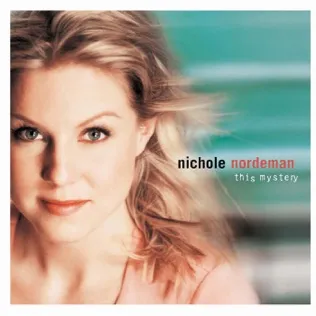
Nichole Nordeman - Please Come Lyrics

Album: This Mystery
Released: 26 May 2000
iTunes Amazon Music

Lyrics

Oh, the days when I drew lines around my faith
To keep you out, to keep me in, to keep it safe
Oh, the sense of my own self entitlement
To say who's wrong or won't belong or cannot stay

'Cause somebody somewhere decided
We'd be better off divided
And somehow despite the damage done
He says, "come" ...

There is room enough for all of us, please come
And the arms are open wide enough, please come
And our parts are never greater than the sum
This is the heart of the One
Who stands before an open door and bids us, "come"

Oh, the times when I have failed to recognise
How may chairs are gathered there around the feast
To break the bread and break these boundaries
That have kept us from our only common ground
The invitation to sit down
If we will come ...

There is room enough for all of us, please come
And the arms are open wide enough, please come
And our parts are never greater than the sum
This is the heart of the One
Who stands before an open door and bids us, "come"

Come, from the best of humanity
Come, from the depths of depravity
Come now and see how we need
Every different bead on this same string
Come ...

There is room enough for all of us, please come
And the arms are open wide enough, please come
And our parts are never greater than the sum
This is the heart of the One
Who stands before an open door and bids us, "come"

Video

Please Come

Thumbnail for Please Come video

Meaning & Inspiration

Nichole Nordeman’s "Please Come," released on May 26, 2000, as part of her profound album *This Mystery*, offers a deeply moving and critically honest examination of faith, exclusion, and God's radical inclusivity. This song is not merely a composition; it’s a powerful, self-reflective confession that transitions into an urgent, divine invitation. At its core, "Please Come" dissects the human tendency to build walls within spiritual communities, contrasting it sharply with the expansive, open-armed nature of Christ's love. It’s a call to dismantle the artificial boundaries we erect, reminding us that the divine welcome extends to every corner of humanity.

The song immediately plunges into a raw acknowledgment of personal and collective failing, opening with an admission of "drawing lines around my faith / To keep you out, to keep me in, to keep it safe." This poignant imagery directly addresses the human inclination to create exclusive enclaves within belief systems, often born out of fear or a misplaced sense of protecting spiritual purity. This resonates with the legalism critiqued by Jesus, who often challenged those who burdened others with rules while failing to extend grace (Matthew 23:4). Nordeman then confesses to a "sense of my own self entitlement / To say who's wrong or won't belong or cannot stay," a direct challenge to the sin of judgmentalism that pervades religious circles. This act of self-appointed judgment stands in stark opposition to Christ’s command in Matthew 7:1-5, which cautions against judging others lest we too be judged, and encourages introspection first. The lyrics mourn the destructive impact of these divisions, stating, "somebody somewhere decided / We'd be better off divided," yet swiftly pivots to God’s unwavering response: "He says, 'come'." This stark contrast highlights humanity’s tendency to fracture and God’s consistent, unifying call.

The recurring invitation in the song’s central theme—"There is room enough for all of us, please come / And the arms are open wide enough, please come"—is a tender yet resolute declaration of God’s boundless grace. This vision of abundant space speaks to the scriptural promise of many dwelling places in God's eternal home (John 14:2-3), assuring us that His kingdom is not exclusive but expansive. The image of "arms open wide enough" powerfully echoes the father's embrace of the prodigal son in Luke 15:20, symbolizing unconditional love and forgiveness. It also brings to mind Isaiah 65:2, where God laments spreading out His hands to a rebellious people, revealing His constant longing for reconciliation. The line, "our parts are never greater than the sum," beautifully articulates the Christian concept of the Body of Christ, where each individual is a crucial, distinct, and indispensable part of a larger, unified whole (1 Corinthians 12:12-27). This phrase champions interdependence and humility, countering any individualistic pride. This profound invitation culminates in the declaration that "This is the heart of the One / Who stands before an open door and bids us, 'come'," unequivocally identifying Jesus as the ultimate welcoming presence. He himself declared, "I am the door. If anyone enters by me, he will be saved" (John 10:9), and his patient knocking at the door of our hearts is vividly portrayed in Revelation 3:20.

The introspection continues as Nordeman acknowledges "the times when I have failed to recognise / How many chairs are gathered there around the feast." This imagery evokes the heavenly banquet, a powerful biblical metaphor for fellowship and communion with God and fellow believers (Matthew 22:1-14, Luke 14:15-24). Her failure to see the multitude of chairs represents a narrow perspective on who is worthy to partake, challenging us to re-evaluate our own preconceived notions of belonging. The call "To break the bread and break these boundaries / That have kept us from our only common ground / The invitation to sit down" speaks to the sacred act of communion, a unifying practice that transcends divides. Breaking bread symbolizes shared life and unity, much like the early Christian community, and breaking boundaries points to dismantling the very walls – whether theological, social, or cultural – that prevent genuine fellowship. Our "only common ground" is Christ himself, who broke down the dividing wall of hostility between Jew and Gentile, creating one new humanity (Ephesians 2:14-18).

The song's bridge and conclusion extend the invitation to an even broader spectrum: "Come, from the best of humanity / Come, from the depths of depravity / Come now and see how we need / Every different bead on this same string." This universal call highlights that God’s grace is not reserved for the righteous or the morally upright, but is equally available to "the depths of depravity," a testament to Romans 3:23 which states all have sinned, and Romans 6:23 which declares the gift of God is eternal life. This inclusive message profoundly emphasizes that no one is beyond redemption, and no one is too good to need grace. The striking metaphor of "Every different bead on this same string" powerfully illustrates that diversity is not merely tolerated but cherished within God’s design. Each unique individual, with their distinct experiences, gifts, and even past failings, contributes to the beauty and strength of the whole, bound together by the unifying thread of Christ’s love and the commonality of our shared humanity. "Please Come" is more than a song; it's a theological affirmation, a humble confession, and a generous, transformative invitation that encourages introspection, dismantles exclusive thinking, and ultimately calls all to the open embrace of God's unwavering love.

Loading...
In Queue
View Lyrics