
Newsboys - God's Not Dead Lyrics
Lyrics
Let love explode and bring the dead to life
A love so bold to bring a revolution somehow
Let love explode and bring the dead to life
A love so bold to see a revolution somehow
Now I'm lost in Your freedom
And this world I'll overcome
My God's not dead
He's surely alive
He's living on the inside
Roaring like a lion
Let hope arise and make the darkness hide
My faith is dead I need a resurrection somehow
I'm lost in your freedom
And this world I'll overcome
My God's not dead
He's surely alive
He's living on the inside
Roaring like a lion
Let heaven roar, and fire fall
Come shake the ground
with the sound of revival
My God's not dead
He's surely alive
He's living on the inside
Roaring like a lion
Video
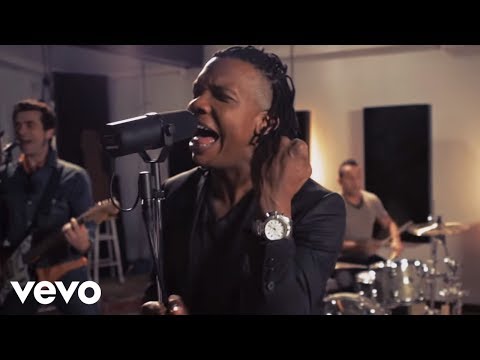
Newsboys - God's Not Dead
Meaning & Inspiration
The Newsboys' "God's Not Dead," released on November 15, 2011, as the title track from their album, emerged not merely as a song but as a resounding declaration that has reverberated through homes and congregations worldwide. Its very title encapsulates a defiant affirmation against skepticism and doubt, serving as a rallying cry for those who find their spiritual foundation in a living, active deity. The song’s message is an urgent call to recognize the dynamic presence of God in the world and within the individual believer, moving beyond a passive acknowledgment to an active, transformative experience of faith. It inspires a spiritual awakening, reminding all who encounter it that divine power is not a relic of the past but a current, potent force at work.
The opening lines, proclaiming "Let love explode and bring the dead to life," immediately establish the song's profound spiritual ambition. This isn't a plea for physical resurrection but a fervent prayer for spiritual revival, echoing the promise found in Ephesians 2:4-5, which speaks of God making us alive with Christ even when we were dead in our transgressions. This love is described as "so bold to bring a revolution," suggesting a transformation that is not quiet or confined, but one that challenges the status quo and ignites change, much like the early disciples who were accused of turning the world upside down (Acts 17:6). Such a love, inspired by God’s own boundless love for humanity (John 3:16), is depicted as the catalyst for overcoming the world's limitations, leading to a state of being "lost in Your freedom." This freedom isn't an absence of responsibility but a liberation from sin and its consequences, aligning with Galatians 5:1, where believers are called to stand firm in the freedom Christ has granted. This newfound liberty then empowers the believer to "overcome" worldly challenges, mirroring the assurance in John 16:33 that Jesus has already conquered the world, enabling us to do the same through Him.
The heart of the song pulses with the central declaration: "My God's not dead, He's surely alive." This is more than a statement; it's an experience of God's tangible presence, particularly "living on the inside," which directly points to the indwelling Holy Spirit. This concept is foundational to Christian belief, as articulated in 1 Corinthians 3:16, "Do you not know that you are God's temple and that God's Spirit dwells in you?" This internal, active presence is then powerfully depicted as "Roaring like a lion." The lion is a biblical symbol of strength, sovereignty, and authority, most notably referring to Jesus as the Lion of the Tribe of Judah in Revelation 5:5. This imagery conveys not just life, but a vibrant, powerful, and undeniable existence that refuses to be silenced or contained, challenging any notion of a distant or dormant deity. It encourages believers to recognize the formidable power that resides within them through their faith.
The song continues to explore the human condition with "Let hope arise and make the darkness hide / My faith is dead I need a resurrection somehow." This candid acknowledgment speaks to the struggles of many who experience periods of spiritual dryness or doubt. It’s a relatable confession of needing divine intervention to rekindle a wavering belief, reminiscent of James 2:17, which states that "faith by itself, if it is not accompanied by action, is dead." The song then shifts from personal need to a universal plea for spiritual awakening: "Let heaven roar, and fire fall / Come shake the ground with the sound of revival." This evokes the powerful imagery of Pentecost in Acts 2, where the Holy Spirit descended with a sound like a mighty rushing wind and tongues of fire, bringing about a profound spiritual renewal. It's a yearning for a collective divine encounter that stirs the very foundations of society, mirroring the prophet Haggai's declaration, "I will shake all nations" (Haggai 2:7), suggesting a widespread movement of God’s Spirit that revitalizes faith and purpose in the hearts of many. "God's Not Dead" ultimately serves as an anthem of courage and conviction, calling individuals to embrace a dynamic faith in a God who is unequivocally alive, active, and transformative in both personal lives and the world at large.