Newsboys - Father, Blessed Father Lyrics
Lyrics
Will You take what we have
A sacrifice unto You
Then create clean hands
And, Lord, make our spirits new
Father, blessed Father
Lead and guide us for Your name's sake
And keep us in the shelter of Your presence
'Til we see Your face
Let us hear what You say
Let us know Your voice and all of Your ways
Take our hands, lead us home
To the refuge that we find in You alone
All adoration
To our Lord Redeemer
To our Shepherd
Who carries us forevermore
Breathe on me
Breathe, oh, Breath of God
(Breathe, oh, Breath of Life)
Breathe on me
'Til my heart is new
Oh Lord, oh Lord
'Til my heart is new
Video
Father, Blessed Father
Meaning & Inspiration
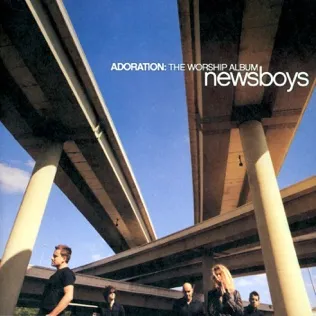
On April 8, 2003, Newsboys unveiled a potent expression of devotion with "Father, Blessed Father," a standout track from their album *Adoration: The Worship Album*. This project marked a pivotal moment for the band, diving deep into corporate worship, and this particular song serves as a profound prayer, a lyrical journey from initial offering to a plea for enduring divine presence. It’s a testament to the band’s commitment to crafting music that not only entertains but genuinely facilitates spiritual reflection and communion.
The song immediately establishes a posture of surrender, opening with a poignant question, "Will You take what we have, A sacrifice unto You, Then create clean hands, And, Lord, make our spirits new?" This is more than a casual request; it’s an echo of the Old Testament call to present offerings, redefined in the New Testament as a living sacrifice, as seen in Romans 12:1, urging us to offer our entire selves. The longing for "clean hands" and a "new spirit" directly mirrors the Psalmist's cry in Psalm 24:3-4, asking who may ascend to God's holy hill, answering with those who have clean hands and a pure heart. It also resonates deeply with Ezekiel 36:26, where God promises a new heart and a new spirit, signifying a complete spiritual renewal that transforms us from within.
As the song progresses, it shifts into an earnest petition for divine leadership and protective presence: "Father, blessed Father, Lead and guide us for Your name's sake, And keep us in the shelter of Your presence, 'Til we see Your face." This segment beautifully articulates a dependence on God’s sovereign direction, reminiscent of Psalm 23:3, where the Shepherd leads His flock in paths of righteousness for His name’s honor. The yearning for the "shelter of Your presence" evokes images from Psalm 91:1, promising rest and protection under the Almighty's shadow, and Psalm 27:5, where God hides us in His dwelling in times of trouble. The ultimate hope, "’Til we see Your face," points to the eschatological promise of beholding God in His fullness, a vision shared in 1 John 3:2 and Revelation 22:4, where we will see Him as He is and forever dwell in His presence.
The yearning for closer communion deepens with the lines, "Let us hear what You say, Let us know Your voice and all of Your ways, Take our hands, lead us home, To the refuge that we find in You alone." This expresses a sincere desire for intimate relationship, one where God’s voice is unmistakably recognized, much like Jesus describes His sheep knowing His voice in John 10:27. It’s a request to understand God’s character and methods, as Moses famously petitioned in Exodus 33:13, "Show me Your ways." The image of God taking our hands and leading us "home" to a "refuge" speaks to the profound security and belonging found exclusively in Him, reflecting Psalm 46:1, declaring God as our ever-present refuge and strength, and the ultimate homecoming promised to believers.
A powerful declaration of worship follows, "All adoration, To our Lord Redeemer, To our Shepherd, Who carries us forevermore." Here, the song shifts from petition to praise, acknowledging God in His manifold roles. He is the "Redeemer," a title that harks back to Job 19:25 and Isaiah 43:1, celebrating His saving acts that liberate us from sin. He is also the "Shepherd," an intimate and protective role famously depicted in Psalm 23 and reiterated by Jesus in John 10:11 as the Good Shepherd who lays down His life. The assurance that He "carries us forevermore" captures the sustained, unwavering support of God throughout our lives and into eternity, echoing Isaiah 46:4 where God promises to sustain and carry His people even to old age.
The climax of this spiritual journey is a fervent plea for the Holy Spirit’s transformative power: "Breathe on me, Breathe, oh, Breath of God (Breathe, oh, Breath of Life), Breathe on me, 'Til my heart is new, Oh Lord, oh Lord, 'Til my heart is new." This segment directly references the very act of creation in Genesis 2:7, where God breathed life into Adam, and the impartation of the Holy Spirit in John 20:22, when Jesus breathed on His disciples. It’s an invocation for spiritual reanimation, for the divine life force to invigorate and purify. The repeated cry, "’Til my heart is new," serves as a powerful return to the initial desire for transformation, an acknowledgment that true renewal is an ongoing process powered by God’s breath, ensuring a heart of flesh replaces a heart of stone, as prophesied in Ezekiel 36:26.
"Father, Blessed Father" stands as a timeless worship anthem, a rich tapestry of scriptural longing woven into a contemporary musical fabric. It is a profound exploration of dependency, seeking God's guidance, resting in His presence, recognizing His roles as Redeemer and Shepherd, and ultimately, desiring the complete renewal of our inner being through His Spirit. The song inspires us to not only sing about these truths but to actively pursue them, making it a powerful tool for personal devotion and corporate worship, deeply resonating with the theme of adoration the album embodies.