Mississippi Mass Choir - Wise Men Still Seek Him Lyrics
Lyrics
Chorus
Wise men still seek Him; wise men still seek the Lord
If you were wise (3x), so would you
Verse 1
In days of Herod the king, wise men came from Jerusalem
Saying, where is He? Where is He born King of the Jews?
We've seen the star and we've come to worship Him
We want to worship Him in spirit and in truth
Verse 2
They gave Him gold; they knew He was our King
They Him frankincense, they knew He was High Priest
Oh, they gave him myrrh, because they knew He was the Lamb of God
To prepare His body for what He'd do for you and me at Calvary
Chorus
Wise men still seek Him; wise men still seek the Lord
If you were wise (3x), so would you
Vamp (Repeat w/inversion)
We've come, we've come to worship
We've come to give Him praise
Ending
If you were wise (3x), so would
You (4x) and you
Video
The Mississippi Mass Choir - Wise Men Still Seek Him
Meaning & Inspiration
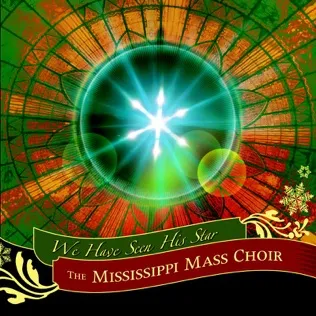
The Mississippi Mass Choir delivered a profound spiritual reflection with "Wise Men Still Seek Him," a standout track released on October 16, 2007, from their album *We Have Seen His Star*. This song transcends a simple retelling of the Nativity, instead serving as a timeless invitation to encounter and worship the Christ, presenting a powerful message that resonates with believers across generations. It masterfully bridges the historical account of the Magi with a compelling call to contemporary devotion, inviting every listener to embody the spirit of the wise men in their own faith journey.
At its core, "Wise Men Still Seek Him" is a profound meditation on true wisdom, asserting that genuine understanding and spiritual insight are intrinsically linked to actively seeking the Lord. The repeated declaration, "Wise men still seek Him; wise men still seek the Lord," immediately establishes the enduring nature of this quest, suggesting that the pursuit of Christ is not a relic of the past but a continuous, vital act for discerning hearts today. This central truth is reinforced by the direct challenge, "If you were wise, so would you," which acts as a gentle yet firm nudge towards introspection, prompting an individual assessment of one's own spiritual priorities and commitment. It aligns with the biblical understanding that the "fear of the Lord is the beginning of wisdom" (Proverbs 9:10), implying that acknowledging and pursuing God is the most intelligent path one can take.
The song then delves into the foundational narrative from the Gospel of Matthew, specifically referencing Matthew 2:1-2, where the wise men embarked on their arduous journey "in days of Herod the king." Their initial question, "Where is He? Where is He born King of the Jews?" speaks volumes about their determined quest, driven by an unshakeable conviction born from observing a celestial sign. The lyrics underscore their clear purpose: "We've seen the star and we've come to worship Him," highlighting a proactive, faith-filled response to divine revelation. This passage emphasizes that their seeking was not born of idle curiosity but of a deep desire to offer reverence to the newborn King, setting a powerful example for all who desire to genuinely encounter the Messiah.
A particularly rich layer of theological insight is offered through the explanation of the wise men’s gifts, tying each offering to a specific aspect of Christ's identity and future ministry. Their presentation of gold signifies their recognition of Him as "our King," an acknowledgement of His royal dominion, echoing prophecies of a coming King (Isaiah 9:6-7, Revelation 19:16). The frankincense, a precious incense used in priestly offerings and worship, symbolizes their understanding of Him as "High Priest," the ultimate intercessor between God and humanity (Hebrews 4:14-15, Hebrews 7:25). Most poignantly, the gift of myrrh – often used for embalming – foreshadows His ultimate sacrifice, signifying their awareness that He was the "Lamb of God" (John 1:29) whose body would be prepared for the redemptive act at Calvary (John 19:39-40). These gifts were not random acts of generosity but prophetic declarations, revealing the wise men's profound, divinely-inspired insight into Jesus's multi-faceted identity and His ultimate purpose to save humanity.
The song's "Vamp" section then seamlessly transitions from the historical narrative to a contemporary call to action. The repeated declaration, "We've come, we've come to worship. We've come to give Him praise," shifts the perspective from the ancient wise men to the present-day believer, creating a communal affirmation of faith. It transforms the Magi's journey into an ongoing experience for all who are wise enough to seek Christ, encouraging an active stance of adoration. This part of the song serves as a powerful reminder that the ultimate response to understanding who Christ is—King, Priest, and Lamb—is unreserved worship and praise, much like the psalmist calls us to "come, let us worship and bow down" (Psalm 95:6). The concluding lines, "If you were wise, so would You and you," serve as a final, inclusive invitation, extending the challenge of spiritual wisdom and worship to every individual, underscoring that the pursuit of Christ is a personal, ever-relevant journey for all. This song beautifully encapsulates the essence of Christian devotion, inspiring a deeper commitment to seeking, understanding, and adoring the Lord with all one's heart.