Matt Redman - We Are The Free Lyrics

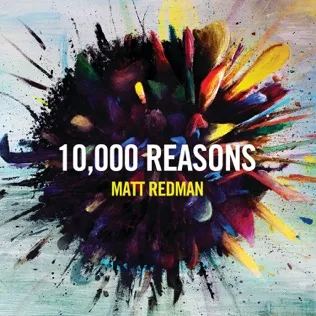
Album: 10,000 Reasons
Released: 01 Jan 2011
iTunes Amazon Music

Lyrics

We're the forgiven, singing redemption's song
There's a fire that burns inside
A fire that burns inside
Nothing can stop us
We'll be running through the night
With a fire that burns inside
A fire that burns inside

We are the free, the freedom generation
Singing of mercy
You are the One who set us all in motion
Yours is the glory
There's a fire in our hearts and it burns for You
It's never gonna fade away
We are the free, and Yours is the glory

We are the risen, living alive in You
And our passion will not die
No, our passion will not die
Nothing can stop us
We'll be running through the night
And our passion will not die
No, our passion will not die

We are the free, the freedom generation
Singing of mercy
You are the One who set us all in motion
Yours is the glory
There's a fire in our hearts and it burns for You
It's never gonna fade away
We are the free, and Yours is the glory

Up from the grave He rose again
Up from the grave He rose and we will
Rise up, rise up
Into the world that You so love
Into the world we go and we will
Rise up, rise up

We are the free, the freedom generation
Singing of mercy
You are the One who set us all in motion
Yours is the glory

We are the free, the freedom generation
Singing of mercy
You are the One who set us all in motion
Yours is the glory
There's a fire in our hearts and it burns for You
It's never gonna fade away
There's a fire in our hearts and it burns for You
It's never gonna fade away
We are the free, and Yours is the glory

Video

Matt Redman- We Are the Free

Thumbnail for We Are The Free video

Meaning & Inspiration

Released on September 20, 2011, "We Are The Free" by Matt Redman arrived as the title track of an album bearing the same name, quickly establishing itself as a significant declaration of faith and identity within the landscape of contemporary worship music. The song’s message is rooted deeply in the transformative power of the Gospel, articulating the core Christian belief that true freedom is found in Christ. It speaks to a powerful narrative of redemption, moving from a state of bondage—whether to sin, fear, or the past—into the glorious liberty promised through Jesus' sacrifice. This isn't just freedom *from* something, but freedom *for* something: for worship, for purpose, and for living fully in the light of God's grace. It captures the essence of the Christian journey from captivity to liberation, echoing the ancient stories of deliverance found throughout Scripture, and applying them to the personal experience of salvation. The song serves as an anthem for those who have experienced this spiritual emancipation, giving voice to the overwhelming gratitude and joy that come with being set free.

Analyzing the song's impact and structure reveals its effectiveness in conveying this profound message. The melody and instrumentation build with a hopeful intensity, supporting the lyrical theme of breaking chains and rising into freedom. There's a sense of collective voice in the title itself and the way the song is typically sung in gatherings, emphasizing the shared experience of redemption among believers. This communal aspect is vital; the freedom Christ offers isn't a solitary gift but one that unites us, making us part of a new family, no longer strangers but fellow citizens with the saints, as described in Ephesians 2:19. The song articulates this new identity, declaring a shift from being defined by sin or circumstance to being defined by Christ's redemptive work. It captures the truth found in Colossians 1:13-14, which states that God has delivered us from the domain of darkness and transferred us to the kingdom of his beloved Son, in whom we have redemption, the forgiveness of sins. This transfer of allegiance and identity is the heart of the freedom the song celebrates.

Furthermore, the song naturally leads the heart towards worship, positioning freedom not as an end in itself, but as the prerequisite and motivation for glorifying God. When we understand the depth of our rescue – how we were bought with a price, not of perishable things but with the precious blood of Christ (1 Peter 1:18-19) – our natural response is adoration and surrender. John 8:36 promises, "So if the Son sets you free, you will be free indeed." The song lives in the reality of this promise, asserting the certainty and completeness of that freedom. It bypasses any tentative language, boldly declaring "We Are The Free," reflecting the assured victory found in Christ's finished work on the cross. This assurance is critical for those who still struggle with feelings of guilt, shame, or inadequacy; the song reminds them that in Christ, the chains are definitively broken, and their identity is sealed. The freedom spoken of is comprehensive, covering deliverance from the penalty of sin, the power of sin (Romans 6:6-7), and ultimately, the presence of sin. It is this multifaceted liberation that fuels the song's triumphant spirit and makes it a powerful expression of the believer's hope and status before God. The act of singing this song becomes an act of reaffirming this truth, aligning the voice and spirit with the biblical promise of liberty found in Christ Jesus, reinforcing that where the Spirit of the Lord is, there is freedom (2 Corinthians 3:17).

Loading...
In Queue
View Lyrics