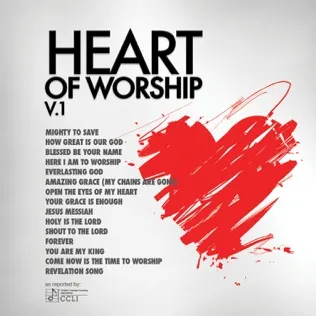
Maranatha! Music - You Are My King (Amazing Love) Lyrics
Lyrics
I'm forgiven because you were forsaken
I'm accepted, You were condemned
I'm alive and well
Your spirit is within me
Because you died and rose again
I'm forgiven because you were forsaken
I'm accepted, you were condemned
I'm alive and well
Your spirit is within me
Because you died and rose again
Amazing love, how can it be?
That you, my king. would die for me
Amazing love, I know it's true
Its my joy to honor you
Amazing love how can it be?
That my king would die for me
Amazing love I know it's true
Its my joy to honor you
In all I do
I honor you
I'm forgiven because you were forsaken
I'm accepted, you were condemned
I'm alive and well
Your spirit is within me
Because you died and rose again
Amazing love how can it be
That you, my king would die for me
Amazing love, I know its true
It's my joy to honor you
Amazing love how can it be?
That you, my king, would die for me
Amazing love, I know its true
Its my joy to honor you
In all I do I honor you
You are my king
You are my king
Jesus, You are my king
Amazing love, how can it be?
That you, my king, would die for me
Amazing love, I know it's true
Its my joy to honor you
Amazing love, how can it be?
That you, my king would die for me
Amazing love I know it's true
Its my joy to honor you
In all I do I honor you
In all I do honor you
Video
You Are My King (Amazing Love) | Maranatha! Music (Lyric Video)
Meaning & Inspiration
Released in 2011 as part of Maranatha! Music's "Top 50 Praise Songs" album, "You Are My King (Amazing Love)" quickly established itself as a foundational anthem in contemporary worship. This song is not merely a collection of verses and a chorus; it is a profound theological declaration set to music, guiding worshippers into a deeper understanding of grace and the magnificent sacrifice of Jesus Christ. At its core, the song unpacks the profound exchange that took place at the cross, articulating the unmerited favor extended to humanity through divine love.
The narrative of the song unfolds with a series of powerful contrasts that illuminate the heart of the Gospel. It begins with the deeply personal affirmation, "I'm forgiven because you were forsaken." This statement directly points to the vicarious suffering of Christ, who, as described in Isaiah 53:5-6, "was pierced for our transgressions, he was crushed for our iniquities; the punishment that brought us peace was on him, and by his wounds we are healed." The concept of forsakenness echoes Jesus’ cry on the cross in Matthew 27:46, emphasizing the profound separation He endured so that humanity could be reconciled to God. This truth immediately flows into "I'm accepted, You were condemned," a stark reminder of our former spiritual state as those under judgment, now made righteous by Christ's taking on our condemnation (Romans 8:1). His perfect life and sacrificial death remove our guilt, granting us a place of favor and belonging with the Father, a spiritual adoption spoken of in Ephesians 1:5-6. The song then jubilantly declares, "I'm alive and well, Your spirit is within me, Because you died and rose again." This progression highlights the complete transformation wrought by Christ's work: from spiritual death to new life, sealed by the indwelling Holy Spirit (Romans 8:10-11, John 14:16-17). The resurrection, the bedrock of Christian faith, is explicitly named as the source of this new existence, confirming Christ's victory over sin and death (1 Corinthians 15:3-4, Romans 4:25).
The chorus, with its evocative repetition of "Amazing love, how can it be? That you, my King, would die for me," captures the incomprehensible nature of divine love. This sentiment resonates with John 3:16, "For God so loved the world that he gave his one and only Son," and Romans 5:8, which states, "But God demonstrates his own love for us in this: While we were still sinners, Christ died for us." The inclusion of "my King" elevates the sacrifice, emphasizing that the sovereign ruler of the universe willingly humbled Himself to the point of death (Philippians 2:6-8), not for a worthy subject, but for a fallen humanity. The response to such love is expressed in "Amazing love, I know it's true, Its my joy to honor you." This line shifts from awe to active worship and gratitude, recognizing the certainty of God's grace and committing to a life lived in reverence. It’s a joyful surrender, reflecting Psalm 118:24, "This is the day the Lord has made; let us rejoice and be glad in it," and calling believers to present their bodies as a living sacrifice (Romans 12:1). The affirmation "In all I do I honor you" underscores a commitment to integrating worship into every facet of daily existence, a theme echoed in Colossians 3:17, "And whatever you do, whether in word or deed, do it all in the name of the Lord Jesus, giving thanks to God the Father through him."
The bridge of the song intensifies the declaration of Christ's sovereignty, repeating, "You are my King, Jesus, You are my King." This segment serves as a personal and corporate acclamation of Jesus' ultimate authority and lordship. It is a moment of profound surrender, acknowledging Him not just as Savior, but as the reigning monarch over one's life. This aligns with scriptural pronouncements of Jesus as the "King of kings and Lord of lords" (Revelation 19:16), and His own testimony that His kingdom is not of this world, yet He came to testify to the truth (John 18:36-37). The repetition reinforces the unwavering conviction and commitment of the worshiper, grounding their identity and purpose in His reign. "You Are My King (Amazing Love)" is more than just a song; it's a theological primer, a testimony, and an invitation to deeply consider and respond to the scandalous grace found in Jesus. It inspires a worship that is not only emotional but rooted in the bedrock truths of Scripture, prompting a sincere and joyful dedication of one’s life to the King who gave everything.