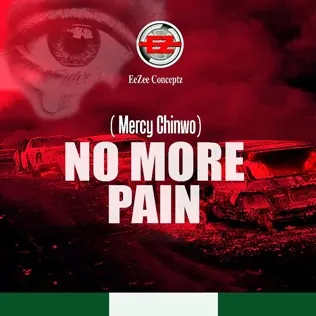
Mercy Chinwo - No More Pain Lyrics
Lyrics
There will be no more pain
There will be no more shame
There will be no more loss
In Jesus name
There will be no more sorrow
There will be no more bloodshed
You said it is finished
we believe
You said it is finished
we believe
He said it is finished
On the cross of calvary
He said it is finished yea
We believe
Ooh ooh-ooh oooaoh
There will be no more pain
There will be no more shame
There will be no more bloodshed
In Jesus name
There will be no more loss
There will be no more sorrow
He said it is finished
we believe
He said it is finished
we believe, we believe
There will be no pain in nigeria
(We believe)
No more sorrow in Africa
(We believe)
We believe in You Jesus
(We believe, we believe)
...
Video
Mercy Chinwo-No more pain(Lyrics)
Meaning & Inspiration
Mercy Chinwo's powerful declaration, "No More Pain," burst onto the global worship scene with its release on April 12, 2019, as the title track of the "No More Pain - Single" album. This song is not merely a collection of verses but a profound spiritual anthem, serving as a beacon of hope and an unwavering affirmation of divine promise in the face of life's deepest struggles. Its essence lies in translating the timeless victory of Christ into a present-day reality for believers, offering solace and strength to all who embrace its message.
At its heart, "No More Pain" unpacks the liberating truth that through Christ’s finished work, a new chapter begins for humanity. The repeated declarations, "There will be no more pain," "There will be no more shame," and "There will be no more loss," are not wishful thinking but prophetic pronouncements rooted in God's eternal word. This echoes the promise found in Revelation 21:4, which vividly describes a future where God "will wipe every tear from their eyes. There will be no more death’ or mourning or crying or pain, for the old order of things has passed away." Chinwo’s lyrics bring this eschatological hope into the present, reminding us that the spiritual battle against these forces has already been decisively won. Furthermore, the absence of shame is a direct fulfillment of Isaiah 61:7, which promises that "instead of your shame you will receive a double portion," while freedom from loss speaks to the abundant life Jesus offers, in stark contrast to the thief who "comes only to steal and kill and destroy" (John 10:10). The song invites us to claim these redemptive outcomes now, not just in some distant future.
The profound anchor of the entire song is the echoing phrase, "You said it is finished," and "He said it is finished on the cross of Calvary." This directly references Jesus’s final words on the cross in John 19:30, "It is finished" (Tetelestai). This single statement fundamentally altered the course of human history and our relationship with God. It signifies the complete payment for sin, the triumph over death, and the ultimate victory over all the powers of darkness. When Jesus declared it finished, He completed the work of redemption, abolished the power of sin, and disarmed every spiritual principality, as Colossians 2:13-15 beautifully articulates: "He canceled the record of debt... He took it away, nailing it to the cross. And having disarmed the powers and authorities, he made a public spectacle of them, triumphing over them by the cross." This understanding transforms the song from a simple prayer into a powerful declaration of accomplished fact, based not on human effort but on divine achievement.
The recurring response, "we believe," serves as the communal and individual affirmation of this profound truth. It’s an act of faith that actively engages with the divine promises, turning theological understanding into lived experience. This believing is not passive acceptance but an active embrace of the finished work, allowing it to transform our present circumstances. Romans 10:17 reminds us that "faith comes from hearing the message, and the message is heard through the word about Christ," and Chinwo’s repetition fosters exactly this kind of active, hearing faith. It builds a collective agreement among listeners, strengthening conviction and fostering a shared spiritual posture of trust and expectation.
Towards the song’s conclusion, the message expands geographically, specifically calling for "no more pain in Nigeria" and "no more sorrow in Africa." This demonstrates a crucial application of the gospel: while Christ’s victory is universal, its manifestation is also deeply personal and contextual. It becomes a prophetic prayer and a faith-filled declaration over specific regions plagued by hardship, conflict, and suffering. This extension underscores the belief that the promises of God are not abstract but applicable to every nation, tribe, and tongue, echoing the Great Commission to spread the message of hope to the "ends of the earth" (Matthew 28:19, Acts 1:8). It transforms the song into an anthem of intercession and expectation for the healing and restoration of communities facing immense challenges.
Ultimately, "No More Pain" stands as a potent reminder of the unshakeable hope found in Christ. It compels us to shift our focus from our immediate struggles to the eternal victory secured on Calvary. Through its simple yet profound lyrics, Mercy Chinwo delivers a message that is both deeply comforting and immensely empowering, urging us to confidently declare God's promises over every aspect of our lives and the world around us. It is a song that doesn’t just articulate faith; it cultivates it, inspiring genuine belief that through Jesus, truly, there will be no more pain.