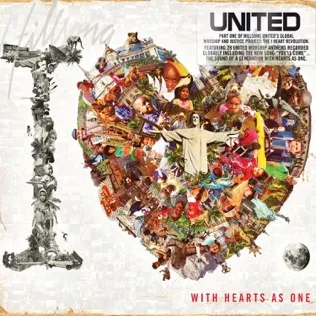
Hillsong Worship - Tell The World Lyrics
Lyrics
Don't want to stand here and shout Your praise
And walk away and forget Your Name
I'll stand for you if it's all I do
Cause there is none that compare to You
Cause all I want in this lifetime is You
And all i want in this whole world is you
Tell the world that Jesus lives
Tell the world that, tell the world that
Tell the world that he died for them
Tell the world that he lives again
No longer I but Christ in me
Cause it's the truth that set me free
How could this world be a better place?
But by thy mercy and by thy grace
C'mon, c'mon we'll tell the world about You
Tell the world that Jesus lives
Tell the world that, tell the world that
Tell the world that he died for them
Tell the world that he lives again
C'mon, c'mon we'll tell the world about You
Tell the world that
Tell the world that
C'mon, c'mon we'll tell the world about You
Tell the world that
Tell the world that
About You
Video
Tell the World - Hillsong Worship
Meaning & Inspiration
Hillsong’s "Tell the World" feels like a time capsule of mid-2000s evangelical urgency. Listening to it now, it captures a specific moment when worship music was pivoting from the contemplative, piano-led balladry of the nineties toward an energetic, guitar-driven pop sound that mirrored what you might hear on secular radio. It’s an interesting push-pull: the theology is strictly orthodox, but the delivery is designed to make the listener move.
When they sing, "Don't want to stand here and shout Your praise / And walk away and forget Your Name," it hits on a real anxiety that haunts many churchgoers. It’s the fear that the "vibe"—the endorphin rush of the music and the collective energy of the room—might be a hollow substitute for actual transformation. The rhythm is snappy and insistent, which creates a strange tension; the lyrics are pleading for something lasting, but the music is built for a fleeting, high-octane moment. Can you really carry the weight of a life-altering truth while bouncing to a three-chord pop progression?
The song leans heavily on the mandate of the Great Commission, yet it uses a vernacular that feels almost like a sports chant. The repetition of "C'mon, c'mon" isn't liturgical; it’s demanding, pushing the listener to adopt an outward-facing posture. It reminds me of the exhortation in Galatians 2:20, "No longer I but Christ in me," which they actually quote directly. It’s a bold theological claim to drop into a bridge that functions more like a pep rally.
Sometimes I wonder if the message gets diluted by the pacing. When you’re caught up in the "c’mon" and the fast tempo, do you stop to consider the gravity of saying Jesus "died for them"? There’s an inherent messiness in trying to balance the seriousness of the Gospel with the desire to keep a stadium-sized crowd engaged. Does the medium swallow the message? Maybe. Or maybe it’s just the reality of faith expressed in a culture that values quick consumption.
Still, there’s an honesty in that opening confession. Most people sitting in a pew on a Sunday morning know that the hardest part of faith isn’t singing the song; it’s what happens when you step out into the parking lot. The track doesn't offer a clean resolution to that tension. It just ends on that repetitive, urgent hook, leaving you in the same spot where you started: standing there, singing, and hoping it sticks. It’s not necessarily a perfect song, but it is a very real document of a community trying to figure out how to keep the fire lit once the house lights come back on.