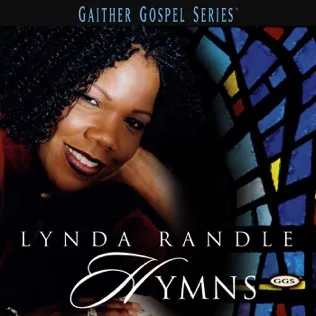
Lynda Randle - Pass Me Not O Gentle Savior Lyrics

Album: Hymns
Released: 01 Jan 2005
iTunes Amazon Music

Lyrics

Pass me not, O gentle Savior, 
Hear my humble cry,  
While on others Thou art calling, 
Do not pass me by.

Savior, Savior, 
Hear my humble cry, 
While on others Thou art calling, 
Do not pass me by.

Let me at Thy throne of mercy
Find a sweet relief,  
Kneeling there in deep contrition, 
Help my unbelief.

Savior, Savior, 
Hear my humble cry, 
While on others Thou art calling, 
Do not pass me by.

Savior, Savior, 
Hear my humble cry, 
While on others Thou art calling, 
Do not pass me by.

Video

Lynda Randle, Michael English - Pass Me Not, O Gentle Savior (Live)

Thumbnail for Pass Me Not O Gentle Savior video

Meaning & Inspiration

Lynda Randle's rendition of "Pass Me Not O Gentle Savior," released on January 1, 2005, as part of her album *Hymns*, stands as a profound testament to the timeless cry of the human spirit for divine attention and grace. This enduring hymn, penned by Fanny Crosby in the 19th century, carries a message that resonates through generations, portraying a deeply personal and humble appeal to the Lord. Randle’s interpretation breathes a new immediacy into these classic words, transforming a venerated congregational song into an intimate, earnest prayer that feels as relevant today as it did over a century ago.

The core of the song is an urgent, singular plea: "Do not pass me by." It articulates a fundamental human anxiety – the fear of being overlooked or deemed unworthy in the presence of God's abundant blessings poured out upon others. This sentiment echoes the tax collector in Luke 18:13, who, standing at a distance, could only pray, "God, be merciful to me, a sinner!" It mirrors the persistent cry of Bartimaeus in Mark 10:47-48, who called out, "Jesus, Son of David, have mercy on me!" even when others tried to silence him. The hymn encapsulates a faith that refuses to be deterred, recognizing that while God’s grace is boundless, personal initiative is needed to reach out for it. It is a humble admission of need, yet simultaneously an act of profound trust that God hears and responds to individual supplication, reinforcing Jeremiah 29:13, which promises, "You will seek me and find me when you seek me with all your heart."

The song’s call to "Let me at Thy throne of mercy find a sweet relief" beautifully illustrates the Christian understanding of God’s nature as both sovereign and compassionate. The "throne of mercy" is not a place of judgment to be feared, but a sanctuary of grace where burdens are lifted and peace is found. This concept is powerfully affirmed in Hebrews 4:16, which encourages us to "approach God’s throne of grace with confidence, so that we may receive mercy and find grace to help us in our time of need." The lyric "Kneeling there in deep contrition" speaks to the essential posture of humility and repentance required for true spiritual solace. It recognizes that genuine relief often begins with acknowledging one’s shortcomings and approaching God with a broken and contrite spirit, a heart that God will not despise (Psalm 51:17). Lynda Randle’s vocal expression throughout this section carries the weight of such profound sincerity, making the ancient hymn feel deeply personal and immediate.

Perhaps the most poignant and universally relatable line in the hymn is the prayer, "Help my unbelief." This profound admission speaks to the paradox of faith—the struggle to believe even when one desires to. It’s a direct echo of the father’s desperate cry to Jesus in Mark 9:24, "I believe; help my unbelief!" This isn’t a denial of faith, but a recognition of human frailty and the need for divine intervention to strengthen one's conviction. It acknowledges that faith itself is a gift from God, as Ephesians 2:8-9 states, "For it is by grace you have been saved, through faith—and this is not from yourselves, it is the gift of God." The song, through Randle’s moving delivery, encourages us to lay bare our doubts and struggles before God, knowing that He understands and is capable of fortifying even the weakest faith. The repeated refrain, "Savior, Savior, Hear my humble cry," acts as a spiritual anchor, reiterating the fervent nature of the appeal and reminding the listener of God's unchanging nature to attend to those who call upon Him with a sincere heart, as promised in Psalm 145:18: "The Lord is near to all who call on him, to all who call on him in truth."

Lynda Randle’s performance elevates this hymn beyond mere historical significance; it transforms it into an empowering act of worship and spiritual self-reflection. Her delivery focuses entirely on the message, allowing the profound lyrical content to shine. She conveys the raw vulnerability and profound hope embedded in each line, encouraging every individual to voice their own "humble cry" and approach the divine throne without hesitation. "Pass Me Not O Gentle Savior" remains a powerful invitation to seek and experience God's compassionate presence, offering reassurance that no one is ever truly passed by when they earnestly reach out to the One who calls all to Himself.

Loading...
In Queue
View Lyrics