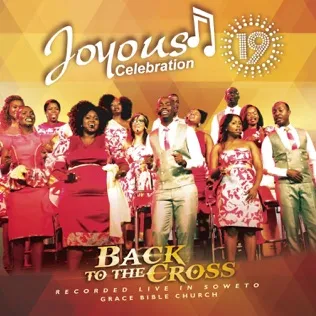
Joyous Celebration - Kuregerera In Advance Lyrics
Released: 05 Mar 2015
Lyrics
Handidi ini kufa ne BP
Ndigotadza kupinda denga
Nekuda kwekusaregerera
Mweya wangu wonanga Gehenna
Kwete, ndinokuregerera
Ishe vakandiregerera wo
Saka ndato kuregerera
Kuregerera in advance
Zvauri iwe mudiwa wangu
Ndinozviziva uchanditadzira
Saka ndatokuregerera
Kuregerera in advance
Ndiwe zvako uripa WhatsApp
Uchingo flirter nevamwe
Moyo wangu urikurwadza
Asi ndinokuregerera
Babie ndinokuregera
Ishe vakandiregerera
Saka ndatokuregerera
Kuregerera in advance
Mummy, mummy, ndinokuregerera
Ndakanzinzva makambondirasa, kundirasira mu bhini
Ini ndikudai mummy ishe vakandiregerera wo
Saka ndinokuregererai kuregerera in advance
Daddy daddy
Daddy daddy hatisati tambosangana ka
Asi ndinokudai daddy, uye ndinokuregererai
Ndakanzinzva makaramba numbu Ishe vakandiregerera wo
Saka ndinokuregererai
Kuregerera in advance
Zvamuri imi vana vesangano
Ndinozviziva muchanditaura
Ndino zviziva muchandinyeya
He mufundisi varikuba Mari
Mufundisi havasisina power
Mufundisi havasisina Shoko
Mukadzi wavo hagoni kupfeka
Asi ndinokuregerera
Church ndinokuregerera
Ishe vakandiregerera
Saka ndinokuregerera
Kuregerera in advance
Nhai Mwari we, Nhai Mwari we
Dzidzisai Moyo kuregerera
Moyo ngaudzidze kuregerera
Pandakakutadzirai Mwari
Makandipa 2nd chance
Mukandipa 3rd chance
Ndikanyepa mukati 4th chance
Ndokutadza zve mukati 5th chance
Mukati thousand, million, billion, trillion, zillion chances!
Video
Joyous Celebration - Kuregerera in Advance
Meaning & Inspiration
Joyous Celebration's "Kuregerera In Advance," featured on their 2015 release *Joyous Celebration, Vol.19: Back to the Cross (Deluxe Video Version)*, is a profound exploration of forgiveness, presented not as a passive act but as a proactive spiritual discipline. The song’s central thesis is captured in its title, suggesting a preparedness to grant pardon before transgressions even occur. This bold stance is rooted in the understanding of God’s boundless forgiveness, a concept deeply embedded in Christian theology. The lyrics articulate a desire to avoid spiritual peril—specifically, the fear of judgment leading to eternal damnation—by embracing the principle of releasing others, mirroring the divine mercy received. This echoes the teachings found in Matthew 6:14-15, where Jesus instructs his followers, "For if you forgive other people when they sin against you, your heavenly Father will also forgive you. But if you do not forgive others their sins, your Father will not forgive your sins." The song’s narrative unfolds through personal reflections, addressing various relationships and societal interactions.
The singer’s acknowledgment of their beloved's potential infidelity, even as they express love, highlights the difficult but necessary practice of extending grace in anticipation of perceived hurts. This proactive forgiveness is not about condoning wrongdoing but about preemptively disarming potential bitterness and resentment that could poison the heart. The lyrics bravely extend this principle to estranged parental figures and even to the broader community of the church, acknowledging human fallibility and gossip. The repeated plea, "Dzidzisai Moyo kuregerera" (Teach the heart to forgive), underscores the understanding that forgiveness is not always a natural inclination but a learned and cultivated virtue. This aligns with passages like Ephesians 4:32, which urges believers to "Be kind and compassionate to one another, forgiving each other, just as in Christ God forgave you."
The song culminates in a powerful reflection on God’s persistent grace, enumerating an almost infinite series of second, third, and countless chances offered to the singer. This divine example serves as the ultimate paradigm for the kind of forgiveness the song advocates. The overwhelming generosity of God's mercy, as depicted through these numerous opportunities, provides the foundational motivation for extending similar grace to others. The message resonates with the parable of the unforgiving servant in Matthew 18:23-35, where a servant who has been forgiven a massive debt is unwilling to forgive a small debt owed to him. The outcome of that parable serves as a stark reminder of the consequences of withholding forgiveness, reinforcing the song’s urgent call to preemptive pardoning. "Kuregerera In Advance" is therefore more than just a song; it is a spiritual primer, a musical exhortation to embody the transformative power of forgiveness, rooted firmly in the scriptural understanding of God's unfailing love and mercy.