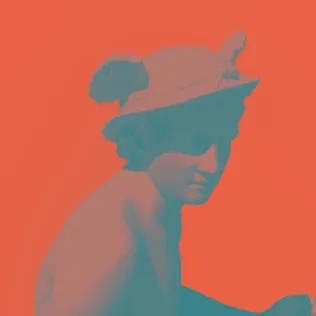
John Mark McMillan - Unhaunted Lyrics
Lyrics
In the cradle of the deep
Did you say my name?
My particles responded
My body, she sang
I, I don't want to be unhaunted
Here in the darkness we relent
Out on the porch with the government
Everybody calls for a covenant
But nobody's drawing blood
I've been thinking about what it means
You say that you never get used to it
On the shores of the heaven bent
With who I thought I was
Oh, I don't wanna live like this
Something's got to give
I don't want to be unhaunted
In the cradle of the deep
Did you call my bluff
My chemicals responded
My body gave up
I, I don't want to be unhaunted, my love
I, I don't want to be unhaunted
Here in the darkness we relent
Out on the porch with the government
Everybody calls for a covenant
But nobody's drawing blood
I've been thinking about what it means
You say that you never get used to it
On the shores of the heaven bent
With who I thought I was
Oh, I don't wanna live like this
Something's got to give
I don't want to be unhaunted
Oh, I don't wanna live like this
Something's got to give
I don't want to be unhaunted
Oh, I don't wanna live like this
Something's got to give
I don't want to be unhaunted
Do you drive around town in a dreamlike state
Talking to the thoughts, your body can't shake?
You say I'm lost but maybe I'm late
But where are you my friend?
Have you seen your own face
Do you drive around town in a dreamlike state
Talking to the thoughts that your body can't shake?
In the cradle of the deep
Did you say my name?
My particles responded
My body, she sang
I, I don't want to be unhaunted, my love
I, I don't want to be unhaunted
Oh, I don't wanna live like this
Something's got to give
I don't want to be unhaunted
Oh, I don't wanna live like this
Something's got to give
I don't want to be unhaunted
Video
John Mark McMillan - "Unhaunted" (Official Lyric Video)
Meaning & Inspiration
"Unhaunted," a poignant track from John Mark McMillan's 2017 album *Mercury & Lightning*, dives headfirst into the profound human struggle with confronting inner turmoil and the persistent echoes of past hurts or doubts. The song doesn't present itself as a simple declaration of faith, but rather as an honest grappling with the difficulty of letting go, even when the alternative seems unbearable. McMillan's lyrical landscape evokes a visceral response, suggesting that the desire to remain "unhaunted" isn't about seeking oblivion, but about a deep-seated longing for true peace that transcends lingering anxieties and unresolved issues. The repeated plea to *not* be "unhaunted" speaks to a paradox: while the idea of being free from haunting thoughts sounds appealing, the song implies that the process of truly shedding these burdens is what we truly crave, even if it means facing them head-on. This resonates with the biblical notion of lament and honest confession found throughout the Psalms, where individuals lay bare their struggles before God, acknowledging their pain without pretending it doesn't exist. Consider Psalm 13:1-2, "How long, Lord? Will you forget me forever? How long will you hide your face from me? How long must I wrestle with my thoughts and day after day with sorrow in my heart?" McMillan's song captures this same wrestling, this internal dialogue where the heart cries out for something more profound than mere absence of pain.
The imagery of being "in the cradle of the deep" suggests a place of origin, of fundamental being, where an external voice or presence addresses the singer's very essence, causing a physical and emotional response. This can be interpreted as a divine call or a moment of profound self-awareness, where the soul recognizes its own deep-seated issues. The ensuing desire to be "unhaunted" is not a rejection of this calling, but a testament to the difficulty in responding to it when weighed down by internal struggles. The verse describing "darkness," "the government," and the call for a "covenant" without "drawing blood" paints a picture of societal or personal agreements that are superficial, lacking the genuine sacrifice and commitment needed for true healing. This mirrors the critique found in Isaiah 29:13, where the Lord says, "These people draw near to me with their mouth and honor me with their lips, while their hearts are far from me." McMillan seems to be pointing out the futility of performative peace or hollow commitments when the real work of confronting what haunts us remains undone. The line, "You say that you never get used to it," acknowledges the enduring nature of certain pains and the struggle to adapt to them, a sentiment echoed in the constant human need for renewal and healing that Scripture promises.
The core message of "Unhaunted" is not about avoiding difficult truths, but about the courageous, albeit painful, journey of facing them. It’s about recognizing that true peace isn't found in a state of being untouched by life's challenges, but in the transformative power that comes from confronting those challenges, often with divine assistance. This aligns with the teachings of Jesus, who acknowledged the suffering of his followers but also offered a path to overcome it, as in John 16:33: "I have told you these things, so that in me you may have peace. In this world you will have trouble. But take heart! I have overcome the world." McMillan's song, in its raw honesty and yearning, invites listeners to consider their own internal landscapes and the often-unacknowledged battles they face, ultimately pointing towards a deeper, more authentic encounter with truth and freedom. The question about driving "around town in a dreamlike state" and talking to "thoughts your body can't shake" is a powerful metaphor for the disassociated state many find themselves in when trying to outrun their inner struggles, a state that ultimately proves unsustainable and begs for a different approach, one that embraces the process of becoming truly "unhaunted" through profound, often divine, intervention and inner work.