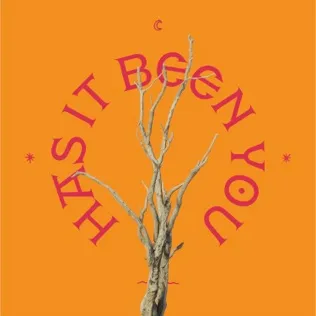
John Mark McMillan - Has It Been You Lyrics

Album: Has It Been You - EP
Released: 08 Oct 2021
iTunes Amazon Music

Lyrics

Verse 1
Do You weave yourself into the fabric of who I am?
In the light of every pressing dawn, You make me new again
And I believe
Even when it feels like I don't know who I should be
Oh, I believe in a Kingdom that's coming

Verse 2
Is resurrection baked into the fabric of the plan?
Like seasons, tides, and even the revolutions of the land
And I believe
Even if it's something that I'll never live to see
Oh, I believe in a Kingdom that's coming

Chorus
All this time
Has it been You?
All this time, yeah
All this time
Has it been You?
All this time, yeah

Verse 3
I concede eternity is pressing into time
Even the material, it hums with the Divine
And I believe
The miraculous mundane is still begging to be seen
And I believe

Chorus
All this time
Has it been You?
All this time, yeah
All this time
Has it been You?
All this time, yeah

Bridge
I lay awake sometimes, and for all my life
For as long as I can remember I've heard my name in the night
Was it You, oh?

Chorus
All this time
Has it been You?
All this time, yeah
All this time
Has it been You?
All this time, yeah

Video

John Mark McMillan | Has It Been You (Official Lyric Video) #JohnMarkMcmillan #HasItBeenYou

Thumbnail for Has It Been You video

Meaning & Inspiration

John Mark McMillan's "Has It Been You," released on October 8, 2021, as part of the *Has It Been You - EP*, arrives as a profoundly introspective piece, inviting contemplation on the unseen hand of the divine in the everyday. This song isn't merely a melodic arrangement; it’s an extended question, a spiritual inquiry echoing the heart's yearning to comprehend God's intimate involvement throughout a life lived, even when His presence feels veiled or misunderstood. At its core, the song journeys through moments of doubt and longing, culminating in a powerful realization that God has always been present, orchestrating, guiding, and sustaining, even in the most unacknowledged corners of existence.

The song immediately delves into a personal exploration of God's pervasive presence, beginning with the query, "Do You weave yourself into the fabric of who I am?" This powerful imagery speaks to the divine architect creating and sustaining our very being, a truth echoed in Psalm 139:13, which marvels at being "fearfully and wonderfully made" in God's inward crafting. McMillan continues, acknowledging a daily renewal: "In the light of every pressing dawn, You make me new again." This brings to mind Lamentations 3:22-23, affirming God's unfailing mercies that are "new every morning," a continuous act of grace and spiritual refreshing, particularly vital when one feels uncertain of their path. The conviction of "a Kingdom that's coming" grounds this personal experience in a larger eschatological hope, aligning with the prayer Jesus taught, "Your kingdom come, Your will be done, on earth as it is in heaven" (Matthew 6:10), a future reality pressing into the present.

Building on this foundation, the second verse extends the inquiry to the certainty of resurrection, questioning if it's "baked into the fabric of the plan" with the same inevitability as "seasons, tides, and even the revolutions of the land." This evokes the consistent order and faithfulness of God displayed in creation itself, as Genesis 8:22 assures us of the enduring cycles of nature. The resurrection of Christ is indeed central to God's redemptive plan (1 Corinthians 15:3-4), a promise so sure it mirrors the earth's unfailing rhythms. Even if the full manifestation of this hope might not be witnessed in one's lifetime, the declaration "I believe" resonates with the essence of faith described in Hebrews 11:1—the assurance of things hoped for, the conviction of things not seen. The unwavering belief in "a Kingdom that's coming" reaffirms the enduring hope that shapes the Christian perspective.

The chorus, "All this time, Has it been You?", serves as the profound anchor of the song, a recurring revelation. It's a retrospective question, a sudden awareness dawning that what seemed like chance, personal effort, or even simple occurrences, might have been the deliberate, loving hand of God all along. This powerful reflection encourages us to revisit our own narratives through a divine lens, much like Psalm 139:7-10, which asks, "Where can I go from your Spirit? Where can I flee from your presence?" and concludes that even in darkness, God is present. This refrain challenges us to re-evaluate our experiences, recognizing the constant presence of Emmanuel, "God with us" (Matthew 1:23), as promised in Matthew 28:20.

In the third verse, the song deepens its theological perspective, asserting that "eternity is pressing into time," and even the material world "hums with the Divine." This speaks to the immanence of God, His active presence in creation, where, as Romans 1:20 explains, His "invisible qualities—His eternal power and divine nature—have been clearly seen, being understood from what has been made." McMillan's conviction that "the miraculous mundane is still begging to be seen" is a profound invitation to cultivate spiritual sight. It encourages us to perceive God’s wonder in the ordinary, the sacred in the seemingly secular, understanding that the Kingdom of God is not just coming, but "is within you" (Luke 17:21), making every moment a potential encounter with the divine.

The bridge offers a deeply personal confession, "I lay awake sometimes, and for all my life, For as long as I can remember I've heard my name in the night. Was it You, oh?" This vulnerable moment taps into the universal human experience of feeling a divine prompting, a gentle call or an undeniable leading that, in retrospect, points directly to God. It mirrors biblical accounts like Samuel hearing his name called in the night (1 Samuel 3) or Jesus stating, "My sheep hear my voice; I call them by name" (John 10:3). This personal memory brings the overarching question of "Has it been You?" into sharp, intimate focus, suggesting that the journey of faith is often a series of quiet, persistent invitations from God, finally recognized and acknowledged.

"Has It Been You" ultimately serves as an inspiring anthem for retrospection and revelation. It guides us through a contemplation of God's pervasive presence—from our very creation and daily renewal, to the grand sweep of His redemptive plan and His intimate whisper in our personal histories. The song doesn't just ask the question; it gently leads us to the resounding answer, fostering a renewed sense of awe and gratitude for a God who is not distant but intricately woven into every aspect of life. It’s a powerful encouragement to open our spiritual eyes, recognizing the miraculous in the mundane and embracing the beautiful truth that, indeed, all this time, it has been Him.

Loading...
In Queue
View Lyrics