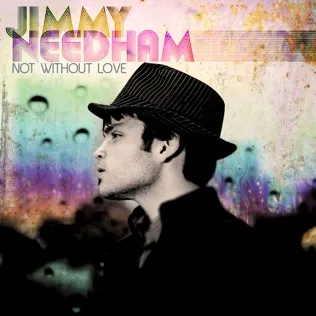
Jimmy Needham - The Benediction Lyrics
Lyrics
No one is good not even one
The front pages of papers of children raped by rapist
Iraqi torture chambers and we the blame claim we're blameless
Wrong all
And swelling up inside of us there's this pride in us this arrogance
And our only line of defense is the sense that
Im not as half as bad as this friend of mine so I must be fine
We mean well don't we
Yet I've never seen good intentions set a man free from
Hurt all
This poor unfortunate soul
Filling a single void with toy after toy with girl after boy
How boring this wasn't this meant to be Humanity's life story
Warring with Good saying what have you done for me
Bough all
Hanging out for six hours marred beyond recognition
In complete submission to his father will still
A proclamation was made louder than the loudest temptation
With more beauty than all his creation
More eternal than eternity more angelic than the heavenlies
It Is done for you and bought with blood
Accept
Rejoice
For freedom has come
Video
Not Without Love (The Benediction)
Meaning & Inspiration
Jimmy Needham’s "The Benediction," released on February 12, 2008, as part of his compelling album *Not Without Love*, stands as a powerful and unflinching lyrical journey from humanity's profound brokenness to the overwhelming grace of Christ's finished work. The song begins by laying bare the universal truth of human depravity, echoing the stark declaration of Romans 3:10, "None is righteous, no, not one." It quickly moves beyond abstract theological concepts to gritty, real-world examples: the horrific front-page news of heinous crimes and the atrocities committed in places like "Iraqi torture chambers." This immediate confrontation with evil forces a collective acknowledgement of sin, challenging any claim to blamelessness. The narrative then drills down to individual pride, exposing the self-deceiving arrogance that leads us to compare ourselves to others, believing "I’m not as half as bad as this friend of mine so I must be fine." This is a common human fallacy, directly contradicted by Scripture which teaches that all have fallen short of God's glory (Romans 3:23) and that comparing ourselves to others is unwise (2 Corinthians 10:12). The song pointedly dismisses the efficacy of good intentions, stating, "I've never seen good intentions set a man free from hurt all," a profound truth that aligns with Ephesians 2:8-9, emphasizing that salvation is by grace through faith, not by works.
The journey continues by depicting the restless, unfulfilled human condition, characterized by "filling a single void with toy after toy with girl after boy." This imagery vividly portrays the futility of seeking satisfaction in transient pleasures and possessions, a pursuit that leaves us feeling "How boring this wasn't this meant to be Humanity's life story." It’s a poignant reflection on the emptiness of life apart from God, reminiscent of Solomon's lament in Ecclesiastes 1:2, where he declares all earthly pursuits "meaningless." This constant striving against divine goodness, expressed as "Warring with Good saying what have you done for me," illustrates the rebellious heart of humanity, questioning its Creator rather than submitting to Him. This stark portrayal of human inadequacy and spiritual rebellion sets the stage for the dramatic and redemptive turning point of the song.
The pivotal shift arrives with the powerful imagery of the cross, describing Christ "Hanging out for six hours marred beyond recognition / In complete submission to his father will still." This visceral depiction of the crucifixion immediately brings to mind Isaiah 53:5, which prophesies Christ being "pierced for our transgressions, crushed for our iniquities," and Philippians 2:8, which speaks of His obedience "even to the point of death on a cross." It emphasizes the immense suffering and the perfect, willing obedience of Jesus to His Father's will. From this ultimate act of sacrifice, a glorious "proclamation was made louder than the loudest temptation / With more beauty than all his creation / More eternal than eternity more angelic than the heavenlies." This powerful declaration culminates in the simple yet profound truth: "It Is done for you and bought with blood." These words echo Jesus' cry from the cross in John 19:30, "It is finished," signifying the complete and perfect atonement for sin. The redemption spoken of is not abstract; it is personal, "for you," and costly, "bought with blood," recalling 1 Peter 1:18-19 that we were ransomed "with the precious blood of Christ."
The song then moves to its compelling conclusion, offering a direct invitation to respond to this divine grace: "Accept / Rejoice / For freedom has come." This isn't a call to earn anything, but to receive the gift freely offered. To "accept" implies placing faith in the finished work of Christ, recognizing His sacrifice as sufficient for our sins. To "rejoice" is the natural outpouring of gratitude for this profound gift, a joy that comes from knowing we are liberated from the bondage of sin and death, just as Galatians 5:1 declares, "It is for freedom that Christ has set us free." "The Benediction" is not merely a song; it is a concise, theologically rich sermon set to music, guiding the soul from the bleak reality of sin to the boundless hope of salvation found in Christ alone. Its message encourages honest self-reflection, then directs the heart to the only true source of peace, forgiveness, and eternal freedom.