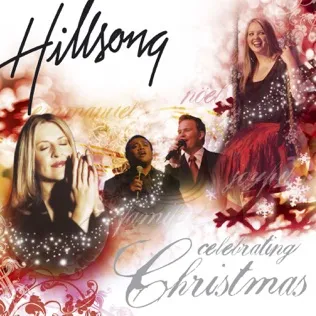
Hillsong Worship - Can You Hear? Lyrics
Lyrics
Deck the halls
Ring the bells
Christmas time is here
Mistletoe
Don't you know?
Christmas time is here again
Stockings are
Hung up high
By the fireside
Oh Christmas
Happy Christmas
To all
Can you hear the children say?
Jesus Christ was born this day
So let the world
Hold to the hope
Given to us
So long ago
Let every boy and girl
Sing glory to Emmanuel
Oh sing of the hope
And remember well
How upon Christmas day
Jesus came as the Son of Man
King of Redemption for all of the world
Video
Can You Hear?
Meaning & Inspiration
Released on September 26, 2006, as part of the live album *Celebrating Christmas*, Hillsong Worship’s "Can You Hear?" stands as a vibrant invitation to rediscover the profound meaning nestled within the festive season. This powerful song moves beyond the commercial veneer and familiar trappings of Christmas, steering our attention directly to the sacred truth at its core. It’s a call to pause amidst the cheer, the decorations, and the merrymaking, and truly comprehend the divine narrative that anchors this globally celebrated holiday.
The song gently ushers us into a familiar scene, painting vivid pictures of traditional Christmas elements like "Deck the halls," "Ring the bells," and "Stockings... Hung up high by the fireside." These initial verses serve as a warm, nostalgic embrace, acknowledging the common joys and traditions that mark the season. Yet, they are not merely decorative; they set the stage for a spiritual shift, preparing the heart to transition from the outward celebrations to the inward revelation. It’s a clever way to connect with a broad audience before guiding them towards the eternal message.
The pivotal moment arrives with the simple, yet deeply impactful question: "Can you hear the children say? Jesus Christ was born this day." This line acts as a profound reset button, stripping away complexity and inviting a return to childlike faith and understanding. It reminds us that often, the most significant truths are best expressed with unadorned clarity, reflecting the instruction found in Matthew 18:3, where Jesus himself states that unless we change and become like little children, we will never enter the kingdom of heaven. The voices of children, unburdened by cynicism, proclaim the essential fact of Christ's birth, urging every person to embrace this foundational truth.
From this pure declaration, the song blossoms into a robust proclamation of hope and redemption. "So let the world Hold to the hope Given to us So long ago," it urges. This hope is not a fleeting wish but a steadfast promise, one foreshadowed through centuries of biblical prophecy. From the initial promise of a deliverer in Genesis 3:15, to Isaiah’s foretelling of a child named Emmanuel, "God with us" (Isaiah 7:14, 9:6), the birth of Jesus is the fulfillment of divine faithfulness. It’s a hope that anchors us, reminding us of God's enduring love and His meticulous plan for humanity's salvation, echoed by the angels' announcement in Luke 2:10-11, declaring "good news of great joy that will be for all the people. For unto you is born this day in the city of David a Savior, who is Christ the Lord."
The song then calls for universal participation in this sacred rejoicing: "Let every boy and girl Sing glory to Emmanuel." The name "Emmanuel," meaning "God with us" (Matthew 1:23), encapsulates the miracle of the Incarnation – the divine stepping into human form. To sing glory to Emmanuel is to acknowledge the infinite wisdom and grace of a God who chose to dwell among us, humbling Himself to bring light into a world cloaked in darkness. This echoes the angelic chorus in Luke 2:14, proclaiming, "Glory to God in the highest, and on earth peace among those with whom he is pleased!" It's an invitation to join the heavenly host in adoration.
The final verses reiterate the core message with poignant clarity: "Oh sing of the hope And remember well How upon Christmas day Jesus came as the Son of Man King of Redemption for all of the world." Here, the song powerfully frames Jesus not just as a baby in a manger, but as the "Son of Man" – a title Jesus frequently used for himself, emphasizing both His humanity and His ultimate mission as prophet, priest, and king. This identity is crucial, as it underscores His relatable nature while simultaneously highlighting His divine purpose. More profoundly, He is declared the "King of Redemption." This title resonates with profound theological weight, signifying His ultimate triumph over sin and death. Through His sacrificial act, Christ provided the path to freedom, delivering us from spiritual bondage. Ephesians 1:7 proclaims that "in him we have redemption through his blood, the forgiveness of our trespasses, according to the riches of his grace." Colossians 1:13-14 further elaborates, "He has delivered us from the domain of darkness and transferred us to the kingdom of his beloved Son, in whom we have redemption, the forgiveness of sins." This redemption is not exclusive but offered "for all of the world," reflecting the boundless scope of God’s love and the universality of Christ’s mission, as stated in John 3:16, "For God so loved the world, that he gave his only Son, that whoever believes in him should not perish but have eternal life." "Can You Hear?" ultimately serves as a compelling spiritual compass, guiding our focus away from transient festivity to the enduring, life-changing truth of Jesus Christ, the King of Redemption for all humanity.