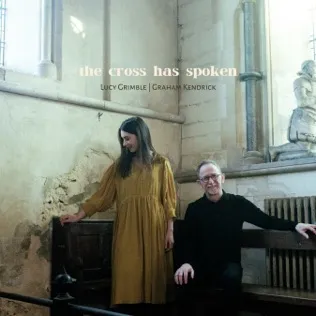
Graham Kendrick - The Cross Lyrics
Lyrics
I feel so cold
It grows so dark
They gather round
To watch me die
The mob that howled
Have gone so quiet
My strength is
Bleeding away
The nails are cruel
The lashes deep
The pains of hell
Are crushing me
Like wax my heart
It melts within
The wings of death
Rise over me
The sky is black
I'm so alone
Don't you hear me?
You hide your face
Why do you
Raise your sword
To strike me?
My God, my God
Oh why have You
Forsaken me?
It is finished now
The price is paid
And death lies dying here
Hell is led in chains
A door no-one can close
Is open now.
It is finished now
The price is paid
And death lies dying here
Come I am the way
My blood has made you clean
Come choose the life I give
Video
The Cross Has Spoken Graham Kendrick Lucy Grimble Lyric Video
Meaning & Inspiration
Graham Kendrick's profound single, "The Cross," released on May 6, 2022, as part of "The Cross Has Spoken - Single," offers an unvarnished and deeply moving portrayal of Christ's crucifixion, told primarily from Jesus' own perspective. The song embarks on a chilling descent into the raw agony of Golgotha, then pivots dramatically to an exultant declaration of victory, encapsulating the entire redemptive narrative in a powerful, compact form. It is a work designed not merely to inform, but to immerse the listener in the unfathomable depths of divine love and sacrifice.
The early verses plunge the soul into the oppressive darkness and chilling isolation of the crucifixion. The lyrics paint a vivid picture of the physical and emotional desolation, starting with the sensation of cold, the encroaching darkness, and the silent, watching crowd. The earlier clamor of the mob subsides into a quiet, ominous vigil as Jesus’ strength drains away, reflecting the stark reality of impending death (Psalm 22:17). The depiction of "cruel nails" and "deep lashes" brings to mind the brutal physical torment Christ endured, as detailed in the Gospels (John 19:16-18, Matthew 27:26). But Kendrick delves deeper, suggesting "the pains of hell are crushing me," a potent theological statement indicating that Christ bore not only physical agony but the full spiritual weight of humanity's sin, taking upon Himself the separation from God that sin creates (2 Corinthians 5:21). This immense burden is further described by a heart melting "like wax," an image found in Psalm 22:14, conveying utter despair and the complete surrender of life as "the wings of death rise over me."
The song intensifies this sense of abandonment with the blackening sky and a desperate cry of being utterly alone. The poignant question, "Don't you hear me? You hide your face. Why do you raise your sword to strike me?" articulates the terrifying feeling of being forsaken by God, a harrowing experience necessary for atonement. This builds to the heart-wrenching, canonical utterance, "My God, my God, oh why have You forsaken me?" (Matthew 27:46, Mark 15:34). This cry, a direct quote from Psalm 22:1, is arguably the most profound moment of Christ's suffering, where He, for a time, experienced the full, unmitigated wrath of God against sin, becoming alienated from the Father in order to bridge that gap for humanity.
Then, with breathtaking suddenness, the narrative shifts from the nadir of despair to the pinnacle of triumph. "It is finished now, the price is paid," declares the triumphant voice, echoing Christ's final words on the cross (John 19:30). This declaration signals the complete fulfillment of God's redemptive plan and the sufficient payment for all sin (Hebrews 10:14). The imagery that follows is one of cosmic victory: "death lies dying here" and "hell is led in chains." This encapsulates the resurrection truth that through Christ’s death and rising again, death has lost its sting and the grave its victory (1 Corinthians 15:54-57). The song proclaims that "a door no-one can close is open now," signifying the new and living way to God, opened by Christ's sacrifice (Hebrews 10:19-20), an access to grace and eternal life that was previously barred by sin.
The concluding lines transform the declaration of victory into a personal invitation: "Come I am the way, My blood has made you clean, Come choose the life I give." This is a direct echo of Jesus’ self-identification as the sole path to the Father (John 14:6) and the cleansing power of His shed blood to purify believers from all sin (1 John 1:7, Revelation 1:5). It is an urgent call to embrace the abundant, eternal life offered freely through His sacrifice (John 10:10). Graham Kendrick's "The Cross" is more than a song; it is a theological exposition set to music, serving as a powerful reminder of the depth of Christ's suffering, the completeness of His victory, and the enduring, transformative invitation extended to all who will receive it. It stands as a compelling testament to the central message of Christian faith, inspiring deep reflection and worship.