Fred Hammond - We Sing Glory Lyrics
Lyrics
Little baby boy sent as God among us
For Your plan to free all humanity
We sing glory to Your name
Sing glory to Your name
Tiny fragile heart, yeah
Pumped Your blood to save us
For You come to be a sin offering
Singing glory to the Lamb, yeah glory
Sing glory to the Lamb
Singing glory to the one
Who saved the whole world
Born to die but You live again
And take all our sins away
Little Your hands and feet, yeah
Made for nail and hammer
For the pain and grief you suffered for me
I sing glory to the Lamb
Oh, glory to the Lamb
Tiny arms and legs
Broad strong and sturdy
You carry the key to our victory
We sing glory to Your name
We sing glory to the Child
Who will save the whole world
Born to die and then live again
To take all our sins away
Glory, glory to the one
Who was born to save the whole world
You died but You'll rise again
So, Jesus we praise Your name
Hark the Herald angels sing
Glory to the new born King
Peace on earth and mercy mild
God and sinner reconciled
Thank you, Jesus
Hark the Herald angels sing
Glory to the new born King
Peace on earth and mercy mild
God has come to save us
Yes, he has
Gloria in Excelsis Deo
God has come to save us
Video
We Sing Glory
Meaning & Inspiration
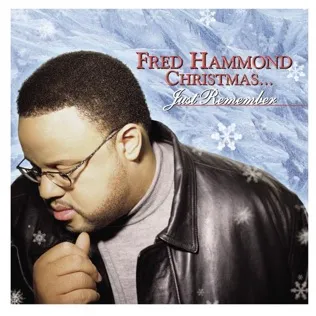
Fred Hammond's "We Sing Glory," released on September 21, 2001, as part of his album *Fred Hammond Christmas... Just Remember*, offers a profound meditation that transcends a typical holiday track, embedding the birth of Christ firmly within the broader narrative of salvation. While positioned as a Christmas song, its true power lies in its comprehensive theological scope, moving beyond the manger scene to embrace the full redemptive work of Jesus, from His incarnation to His ultimate triumph over sin and death. This composition isn't merely a seasonal celebration; it's an expansive act of worship, reminding believers of the eternal purpose woven into that first Christmas night.
The song's narrative begins by establishing Jesus as "a little baby boy sent as God among us," immediately invoking the mystery of the Incarnation—God becoming flesh (John 1:1, 1:14). This divine intervention, the lyrics explain, was "for Your plan to free all humanity," highlighting the preordained purpose behind Christ’s arrival, a mission to liberate mankind from the bondage of sin and death (Galatians 5:1). Hammond then swiftly connects this infancy to the ultimate sacrifice, proclaiming a "tiny fragile heart... pumped Your blood to save us." This poignant imagery points directly to Jesus as the "sin offering," the Lamb of God whose blood atones for the sins of the world (John 1:29, Hebrews 9:22, Romans 5:8). It's a striking reminder that the vulnerability of the infant was always destined for the cross, where "little Your hands and feet... made for nail and hammer" would endure the suffering necessary for redemption, as prophesied (Isaiah 53:5, Psalm 22:16). The song seamlessly weaves together the humility of His birth with the immense weight of His sacrifice, underscoring that His very existence was an act of sacrificial love.
Crucially, "We Sing Glory" doesn't dwell solely on the suffering but elevates the message to resurrection and victory. The repeated declaration that Jesus was "born to die but You live again and take all our sins away" is the song's spiritual core (1 Corinthians 15:3-4, Romans 6:9-10). This emphasizes the pivotal truth that Christ's death was not the end but a prelude to His triumphant resurrection, which guarantees the forgiveness of sins and eternal life for those who believe. The lyrics transform from depicting fragile humanity to affirming divine strength: "Tiny arms and legs / Broad strong and sturdy / You carry the key to our victory." Here, the seemingly weak baby is recognized as the all-powerful Son of God, who holds the keys of death and Hades, assuring believers of ultimate triumph over spiritual adversaries (Revelation 1:18). This transition beautifully illustrates the dual nature of Christ—fully human, fully divine—and His ultimate authority over all things.
The profound message of reconciliation is amplified as the song integrates lines from the timeless carol "Hark the Herald Angels Sing," proclaiming "Glory to the new born King / Peace on earth and mercy mild / God and sinner reconciled." This powerful imagery, recalling the angelic announcement at Christ's birth (Luke 2:14), directly addresses the profound impact of Jesus's mission: to bring humanity back into right relationship with God (2 Corinthians 5:18-19, Colossians 1:20). The Latin phrase "Gloria in Excelsis Deo" (Glory to God in the Highest) further reinforces this divine glory and the magnitude of God's act of salvation. Fred Hammond’s composition thus serves as a theological bridge, connecting the historical event of Christ’s birth to its eternal implications, celebrating not just a moment in time, but the continuous, saving power of Jesus Christ. It inspires a deep sense of gratitude and worship for a Savior who willingly took on humanity’s form and fate to secure its eternal freedom, making it an enduring anthem of praise for God's incredible plan.