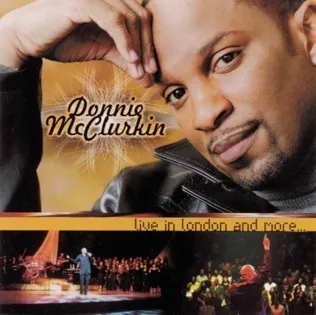
Donnie McClurkin - We Fall Down Lyrics
Lyrics
We fall down
But we get up
We fall down
But we get up
We fall down
But we get up
For a saint is just a sinner who fell down,
But we couldn't stay there,
And got up
We fall down
But we get up
We fall down
But we get up
We fall down
But we get up
For a saint is just a sinner who fell down,
But we couldn't stay there,
And got up
For a saint is just a sinner who fell down
And got up
Video
Donnie McClurkin - We Fall Down But We Get Up
Meaning & Inspiration
Donnie McClurkin’s powerful song, "We Fall Down, But We Get Up," released on August 29, 2013, stands as a timeless anthem of hope rooted in the messy reality of the human walk. The song doesn't shy away from acknowledging the inevitable stumbles and failures we all experience in life and in our faith journey. It captures the profound truth that despite our best intentions, we will err, we will sin, we will face setbacks that can feel like a complete collapse. This narrative resonates deeply because it reflects the universal human condition – the struggle against temptation, the failure to meet God’s perfect standard, and the moments when we simply mess up. The brilliance of the song lies not in dwelling on the fall, but in the powerful declaration of what happens next: we get up. This isn't about a self-help philosophy or pulling ourselves up by our bootstraps; it's fundamentally about the redemptive power and unfailing grace of God.
The core message aligns perfectly with the Scriptural understanding of both human sinfulness and divine mercy. Proverbs 24:16 declares, "For though the righteous fall seven times, they rise again, but the wicked stumble when calamity strikes." McClurkin’s song is an embodiment of this verse, illustrating that falling isn't the end for those walking with God; rising is the promise. It speaks to the heart of Romans 3:23, which reminds us that "all have sinned and fall short of the glory of God." The "falling down" part is a given for humanity. But the "getting up" is where God’s character shines. Psalm 37:23-24 provides further comfort, stating, "The LORD makes firm the steps of the one who delights in him; though he may stumble, he will not fall headlong, for the LORD upholds him with his hand." The song communicates this divine upholding – it’s not our strength that primarily gets us back on our feet, but the hand of God reaching down.
Analyzing the song's impact reveals its genius in simplicity and repetition. It takes this foundational truth and delivers it with a raw, spiritual energy that cuts through pretense. McClurkin’s delivery is not just singing; it's ministry in musical form. He conveys both the vulnerability of the fall and the resolute strength found in God's love. The song becomes a confessional and an affirmation simultaneously. It’s a confession of our weakness – "We fall down" – and an affirmation of God’s faithfulness – "But we get up." This isn't just a catchy phrase; it's a theological statement wrapped in accessible language. It speaks to the renewal offered in Lamentations 3:22-23, "Because of the LORD's great love we are not consumed, for his compassions never fail. They are new every morning; great is your faithfulness." Every time we fall and are enabled to rise, it's a testament to God's ever-present, ever-new compassion.
Ultimately, "We Fall Down, But We Get Up" serves as a beacon of hope for anyone who feels they've failed or stumbled. It reminds us that our failures do not define us; God's grace does. It encourages us to approach the throne of grace with confidence, as Hebrews 4:16 invites us, so that we may receive mercy and find grace to help us in our time of need. The song is a powerful reminder that even in our weakest moments, when we are face down, God is there, ready to lift us. It encapsulates the essence of relying on divine strength when our own fails, echoing the spirit of Philippians 4:13: "I can do all this through him who gives me strength." Donnie McClurkin’s song is more than just music; it’s a spiritual lifeline, a musical sermon that continues to uplift and inspire countless individuals by clearly articulating the gospel truth of grace and redemption in the face of human imperfection.