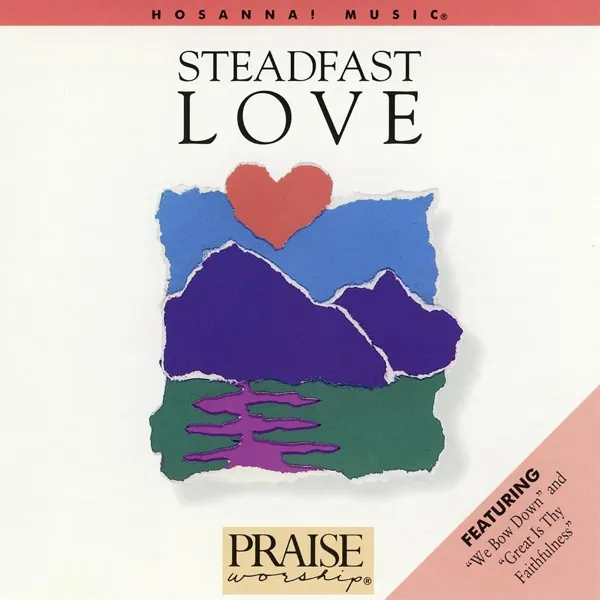
Don Moen - My God My God Lyrics

Album: Steadfast Love
Released: 01 Jan 1988
iTunes Amazon Music

Lyrics

My God, my God how great You are
You are wonderful in deeds
My God, my God how great You are
You are wonderful in deeds
For we are Your mighty deeds
Changed in hearts and lives
For we are Your mighty deeds
Changed in hearts and lives
You're Wonderful, Counselor, Mighty God
The Everlasting Father, the Prince of Peace
And You shall reign forevermore

Video

How Great Thou Art - Loyiso Bala ft. Don Moen

Thumbnail for My God My God video

Meaning & Inspiration

There is a persistent habit in modern liturgy of reducing the nature of God to a feeling or a general aesthetic of awe. We tend to prefer songs that linger on our emotional response to Him, rather than the raw, objective fact of who He is. Loyiso Bala and Don Moen’s rendition of this track pushes back against that fluff by grounding its praise in the language of deeds.

The line that strikes me with the most weight is: "For we are Your mighty deeds / Changed in hearts and lives."

In systematic terms, this is a claim about the Imago Dei—not just in its original, unfallen state, but in its redeemed, sanctified capacity. When we say we are His "mighty deeds," we are moving beyond the soft sentiment that God simply loves us. We are asserting that the transformation of a human heart is an act of sovereign power equal to the creation of the cosmos. If God is "wonderful in deeds," as the lyrics claim, then the conversion of a person is not a passive improvement; it is an active, external intervention of grace.

When I listen to this, I am forced to contend with the doctrine of effectual calling. We are not just participants in our own change; we are the result of His work. It’s a sobering thought that stops the mouth from boasting. If the heart has been changed, it is because He performed a work of restorative justice within the marrow of our being.

Yet, I find myself holding tension with the verse: "You're Wonderful, Counselor, Mighty God / The Everlasting Father, the Prince of Peace."

These are the titles of the Christ from Isaiah 9:6. When we chant these names, are we merely reciting a list of descriptors, or are we acknowledging the Incarnation as the ultimate "deed"? To call Him the "Prince of Peace" while living in a world defined by the fallout of the Fall feels heavy. We often use this title to suggest a tranquil life, but in the context of Propitiation, it signifies the end of the war between God’s holiness and our rebellion. He is the Prince of Peace because He paid the debt that made peace possible.

I wonder if we lose something when we move too quickly through these titles. By the time the song hits the bridge, there is a temptation to let the music carry the weight of the theology. But as a listener, I am left with a question: If we truly are His "mighty deeds," then why does the evidence of our lives so often contradict the nature of the One who changed us?

The song doesn't provide an easy answer. It leaves the listener in the space between the declaration—"You shall reign forevermore"—and the reality of our current, imperfect existence. It forces an acknowledgment that the work of God in us is both finished in status and ongoing in practice. It is a sturdy confession, even if it leaves me sitting with the uncomfortable realization that the "mighty deed" of my own life is still very much under construction.

Loading...
In Queue
View Lyrics