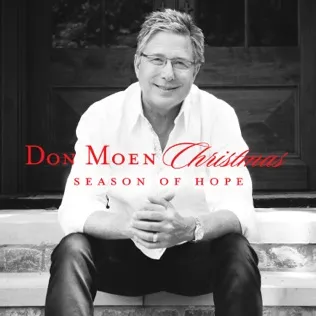
Don Moen - Mary, Did You Know? Lyrics
Lyrics
Mary did you know, that your Baby Boy
Will one day walk on water?
Mary did you know, that your Baby Boy
Will save our sons and daughters?
Did you know, that your Baby Boy
Has come to make you new?
This Child that you've delivered
Will soon deliver you
Mary did you know, that your Baby Boy
Will give sight to a blind man?
Mary did you know, that your Baby Boy
Will calm a storm with His hand?
Did you know, that your Baby Boy
Has walked where angels trod?
When you kiss your little Baby
You've kissed the face of God
The blind will see, the deaf will hear
The dead will live again
The lame will leap, the dumb will speak
The praises of the Lamb
Mary did you know, that your Baby Boy
Is Lord of all creation?
Mary did you know, that your Baby Boy
Will one day rule the nations?
Did you know, that your Baby Boy
Is Heaven's perfect Lamb?
This sleeping Child you're holding
Is the great I Am
Video
Don Moen - Mary Did You Know
Meaning & Inspiration
"Mary, Did You Know?" is a widely recognized song that invites listeners to contemplate the profound mystery of the Incarnation from the unique perspective of Jesus' earthly mother, Mary. Don Moen, known for his worship music, released his rendition of this song, adding to its extensive repertoire of performances by various artists. The song is structured as a series of rhetorical questions posed to Mary, highlighting future miracles and divine aspects of the child she held. It prompts reflection on the incredible significance of the infant Jesus and the scope of his future ministry, contrasting the humble circumstances of his birth with his ultimate divine nature and purpose. Don Moen's version, like others, resonates particularly during the Christmas season, encouraging a deeper appreciation of who the Christ child is.
The lyrics weave together several key aspects of Jesus' identity and mission as depicted in Christian theology and scripture. The questions posed to Mary touch upon miraculous deeds, such as walking on water, giving sight to the blind, and calming storms, all events recorded in the Gospels demonstrating Jesus' power over nature and physical ailments. Other questions point towards his salvific role, stating that he will save sons and daughters and deliver those in need, reflecting his purpose as Savior. The line "Has come to make you new? This Child that you've delivered will soon deliver you" carries deep theological weight, referencing Mary's need for salvation like all humanity, which would be provided through her son. The lyric "When you kiss your little Baby, you've kissed the face of God" directly speaks to the doctrine of the Incarnation, asserting that the infant Mary held was God in human form.
The song continues to enumerate prophecies and titles associated with Jesus. The verse describing the blind seeing, deaf hearing, dead living again, lame leaping, and the mute speaking echoes Old Testament prophecies concerning the Messiah and events documented in the New Testament as signs of Jesus' ministry. The questions "Is Lord of all creation?" and "Will one day rule the nations?" declare Jesus' divine authority and ultimate sovereignty, aligning with scriptural portrayals of his dominion. Describing him as "Heaven's perfect Lamb" connects to the concept of Jesus as the sacrificial Lamb of God who takes away the sin of the world. The final profound assertion, "This sleeping Child you're holding is the great I Am," directly uses a name God revealed to Moses in the Old Testament, affirming Jesus' eternal existence and divine identity. Through these evocative questions, the song guides the listener to marvel at the contrast between the vulnerable baby and the omnipotent God.
Don Moen's musical interpretation of "Mary, Did You Know?" typically emphasizes the song's contemplative and worshipful aspects. Released in the context of his body of work which focuses on praise and worship, his version often features a reflective musical arrangement that allows the weight of the lyrics to settle with the listener. The song’s enduring popularity lies in its ability to inspire awe and wonder at the mystery of Christ's birth and life. It serves as a reminder that the Christmas story is not just about a baby in a manger, but about the arrival of God himself, who came to walk among humanity, perform miracles, offer salvation, and ultimately reign supreme. It encourages both contemplation and worship, bridging the gap between the humility of the nativity and the grandeur of Christ's divine power and future glory.