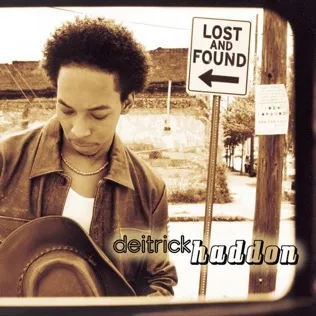
Deitrick Haddon - Praises Lyrics
Lyrics
When the praises go up
I know that the blessings come down
When the praises go up
I know that the blessings come down
When the praises go up
I know that the blessings come down
When the praises go up
I know that the blessings come down
Blessings come down
Blessings come down
Blessings come down
Blessings come down
It's a promise
From your Word
I live by it
Everyday
There is nothing
In this world
That can take back your promises
Nangwe zwi tshi konda
Nda sedza Kha vhone
Ndi nga wana dziphathutshedzo
My God you dey bless anyone
Vhone a vhana tshikhetho
Favour and blessings follow me
Holy Spirit guiding me
Favour and blessings follow me
Wherever I go
When the praises go up
I know that the blessings come down
When the praises go up
I know that the blessings come down
Blessings come down
Blessings come down
Blessings come down
Blessings come down
I'm too high and I won't come, won't come down
Gravity always pulling me down
I'm just trying to break new ground
Nothing can shake my faith right now
No fear is allowed
I'm gon' scream it out loud
Favor follows me around
When praises go up!
Blessings come down
Blessings come down
Blessings come down
Down, down, down, down, down, down
I know
When the praises go up
I know that the blessings come down
When the praises go up
I know that the blessings come down
Blessings come down
Blessings come down
Blessings come down
Blessings come down
Video
Kingdmusic & Deitrick Haddon - Praises (Audio)
Meaning & Inspiration
Deitrick Haddon's 2002 release, "Praises," from the album *Lost and Found*, stands as a powerful declaration of faith and a testament to the unwavering efficacy of praise. This track is more than just a song; it's a spiritual blueprint, articulating a fundamental tenet of Christian belief: that the upward ascent of sincere praise inevitably ushers in the downward flow of divine blessings. The core message of "Praises" is deeply rooted in scriptural principles, mirroring the profound understanding that our posture of worship directly influences our reception of God’s favor. This isn't merely a hopeful sentiment, but a promise echoed throughout the Bible. For instance, Psalm 50:23 states, "Whoever offers praise dedicates me to my God; to him who orders his way I will show the salvation of God!" This verse, among many others, illuminates the reciprocal relationship Haddon describes – our act of giving honor to God unlocks His provision and salvation. The lyrics also touch upon the universality of God's grace, particularly in the Venda language section. The lines "Nangwe zwi tshi konda / Nda sedza Kha vhone / Ndi nga wana dziphathutshedzo" translate to "Even when things are difficult / I look to Him / I receive blessings," underscoring that God’s blessings are not reserved for a select few but are available to all who turn to Him. This resonates with passages like Acts 10:34, where Peter declares, "Truly I understand that God shows no partiality." The song's assertion that "Favour and blessings follow me / Wherever I go" isn't born of arrogance, but of a conviction that God’s faithfulness, once engaged through praise, becomes a constant companion, much like the assurance found in Proverbs 3:9-10, which promises prosperity and abundance to those who honor God with their wealth.
Haddon powerfully articulates a state of elevated spiritual being in the lines, "I'm too high and I won't come, won't come down." This isn't about being disconnected from reality, but about experiencing a profound spiritual elevation that insulates from the "gravity always pulling me down" – the pressures, doubts, and temptations of the world. This inner fortitude, this unshakeable faith that is impervious to fear, is the direct result of a life consistently centered on praise. The scriptural parallel here is abundant; Philippians 4:7 speaks of the peace of God, which surpasses all understanding, guarding hearts and minds in Christ Jesus. Furthermore, the song’s journey from a simple, repetitive affirmation of praise leading to blessings, to the more complex declarations of steadfast faith and divine favor, mirrors the growth and deepening of a believer's relationship with God. The repeated refrain acts as a mantra, imprinting the core truth onto the listener's spirit, while the subsequent verses offer a more mature articulation of the spiritual realities this truth unlocks. The Venda phrase, "Vhone a vhana tshikhetho," meaning "He has no partiality," coupled with the personal testimony of favor and guidance by the Holy Spirit, solidifies the understanding that this is a personal encounter with a sovereign God who desires to bless His creation. In essence, "Praises" serves as an anthem for those who understand that cultivating a spirit of thanksgiving is not just a religious obligation, but a powerful spiritual discipline that directly impacts the flow of divine favor and the strengthening of one's faith.