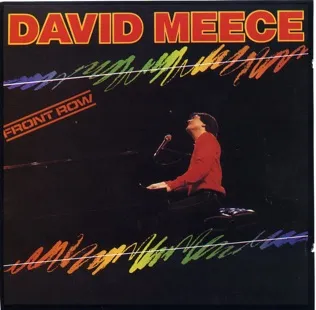
David Meece - Gospel Train Lyrics

Album: Front Row
Released: 01 Jan 1982
iTunes Amazon Music

Lyrics

All aboard for the gospel train,
My seat's reserved, and my ticket's paid,
I'm gonna be there when the conductor says, "All aboard for the gospel train,"
All aboard for the gospel train.

Everybody waiting for the judgment day,
When the saints all make it on the gospel train,
Won't be any stopping, any waiting in line,
It's just a one-way trip, and into paradise.

Gonna be waiting with my bags all packed,
And when I hear that whistle and the rumbling tracks,
It's gonna be exciting when it's ready to go,
Oh, when I board that train, it's gonna take me back home.

All aboard for the gospel train,
My seat's reserved, and my ticket's paid,
I'm gonna be there when the conductor says, "All aboard for the gospel train,"
All aboard for the gospel train.

Gonna leave my trials and my troubles behind,
There's gonna be no sorrow at the end of the line,
Headed for the city with the streets of pure gold,
When the Lord on high decides it's ready to go.

I said...all aboard for the gospel train,
My seat's reserved, and my ticket's paid,
I'm gonna be there when the conductor says, "All aboard for the gospel train,"
All aboard for the gospel train.

I can hardly wait until that glorious day, when the saints aboard sing "Amazing Grace",
Everybody near me gonna hear me shout, when I leave the station on the last train out.

All aboard for the gospel train,
My seat's reserved, and my ticket's paid, yeah,
I'm gonna be there when the conductor says, "All aboard for the gospel train,"
All aboard for the gospel train.

Video

David Meece - Gospel Train

Thumbnail for Gospel Train video

Meaning & Inspiration

David Meece’s "Gospel Train," released on January 1, 1982, as part of his album *Front Row*, stands as a spirited anthem of Christian hope and eternal assurance. From its opening declaration, the song immediately immerses the hearer in a vivid metaphor for the believer's journey to heavenly glory. It bypasses any earthly narrative to directly focus on the spiritual destination, painting a picture of eager anticipation for the moment when faith culminates in everlasting life, resonating deeply with the core tenets of Christian eschatology.

The song’s central theme revolves around the unwavering certainty of salvation and the promised future with God. The repeated assertion, "My seat's reserved, and my ticket's paid," encapsulates the profound theological truth of redemption through Christ. This isn't a journey earned by personal merit or effort, but a gift freely given, echoing Ephesians 2:8-9 which states, "For by grace you have been saved through faith. And this is not your own doing; it is the gift of God, not a result of works, so that no one may boast." The imagery of a reserved seat and a paid ticket powerfully communicates the security found in Christ's atoning work on the cross, ensuring a place for every believer in the eternal Kingdom, as affirmed in John 3:16.

Further developing this theme, the song looks ahead to "judgment day" not with dread, but with serene confidence for those who are aboard the "Gospel Train." For the saints, this is presented as a seamless transition into eternity: "Won't be any stopping, any waiting in line, It's just a one-way trip, and into paradise." This reflects the New Testament promise of no condemnation for those in Christ Jesus (Romans 8:1) and the immediate presence with the Lord upon death for believers (2 Corinthians 5:8). The anticipation is purely joyous, a longing for the ultimate homecoming rather than an apprehension of reckoning.

The narrative voice expresses an almost childlike excitement for this divine journey: "Gonna be waiting with my bags all packed," and anticipating "that whistle and the rumbling tracks." This personalizes the hope, portraying heaven not as an abstract concept, but as a tangible destination where the believer will finally "be back home." This aligns with the biblical understanding of heaven as our true and ultimate dwelling, a "better country" that believers long for, as described in Hebrews 11:16, reminding us that our citizenship is in heaven, from which we eagerly await a Savior (Philippians 3:20).

Crucially, the song emphasizes the ultimate liberation from earthly suffering: "Gonna leave my trials and my troubles behind, There's gonna be no sorrow at the end of the line." This promise of an end to all pain and affliction is a cornerstone of Christian hope, directly referencing Revelation 21:4 where God "will wipe away every tear from their eyes, and death shall be no more, neither shall there be mourning, nor crying, nor pain anymore, for the former things have passed away." The destination is further envisioned as "the city with the streets of pure gold," a direct allusion to the New Jerusalem described in Revelation 21:21, a place of unimaginable glory and purity awaiting the faithful.

The sovereignty of God over this entire process is clearly articulated with the line, "When the Lord on high decides it's ready to go." This underscores that the timing of this glorious departure is not in human hands but rests solely with divine wisdom, echoing Jesus' words in Matthew 24:36 that only the Father knows the day and hour. The conductor, implicitly Christ Himself, will call "All aboard," marking the commencement of the final, triumphant journey for His redeemed. This moment of divine summons is often associated with the rapture or the second coming, where believers will be gathered to meet the Lord in the air, as vividly described in 1 Thessalonians 4:16-17.

The song reaches a pinnacle of worshipful expectation, declaring, "I can hardly wait until that glorious day, when the saints aboard sing 'Amazing Grace'." This image of a heavenly chorus singing one of Christianity's most beloved hymns about divine mercy and redemption perfectly blends the personal anticipation with communal adoration. It signifies a profound union with fellow believers in worship, celebrating the grace that secured their journey. The final declaration, "when I leave the station on the last train out," reinforces the definitive and unrepeatable nature of this departure, a final transition into eternal joy. "Gospel Train" thus serves as a powerful reminder of the blessed hope, encouraging believers to live with joyful anticipation of their ultimate destination and the glorious presence of their Savior.

Loading...
In Queue
View Lyrics